Hidden ROI in Packaging Line Layout: Safety, Sanitation, Expansion
Unlocking Hidden ROI in Your Toronto Packaging Line
A packaging line can look great on paper. OEE is steady, headcount is under control, energy use seems reasonable. But on the plant floor, the story can feel very different. Near-misses in tight corners, long waits for maintenance to reach a motor, sanitation crews fighting awkward gaps, and no obvious space for the next palletizer or case packer.
That gap between the numbers and day-to-day reality is where hidden ROI lives. When we talk about packaging line plant layout and design in Toronto, we are talking about value that shows up as fewer incidents, smoother changeovers, easier audits, and simpler expansions. In the GTA, with strict inspections, a tight labor market, and expensive industrial space, layout choices carry long-lasting impact.
Hidden ROI is not just about one project. It is about how your line behaves across many seasons: winter loading dock hazards, summer heat around doors, retailer audits, and peak runs. As a local partner focused on end-of-line equipment and custom material handling, we pay close attention to these details so your line runs with less friction year after year.
Designing for Safety Pays Off Year After Year
Safety starts with layout. Where people walk, where lift trucks move, where automation sits, all of that shapes your risk level. Good design makes the safe way the easy way.
Key layout choices that support safety include:
- Clear, marked walkways that keep pedestrians away from lift truck paths
- Guarded transfer points and pinch areas on conveyors and end-of-line machines
- Logical traffic flows between docks, staging, and production areas
- Proper lighting and sightlines around corners and intersections
The payback is real, even if it does not always show on a weekly report. Fewer recordable incidents means less time lost on injury investigations, paperwork, and retraining. When operators feel safe, they are more likely to stay, pay attention, and call out issues early instead of rushing through tasks.
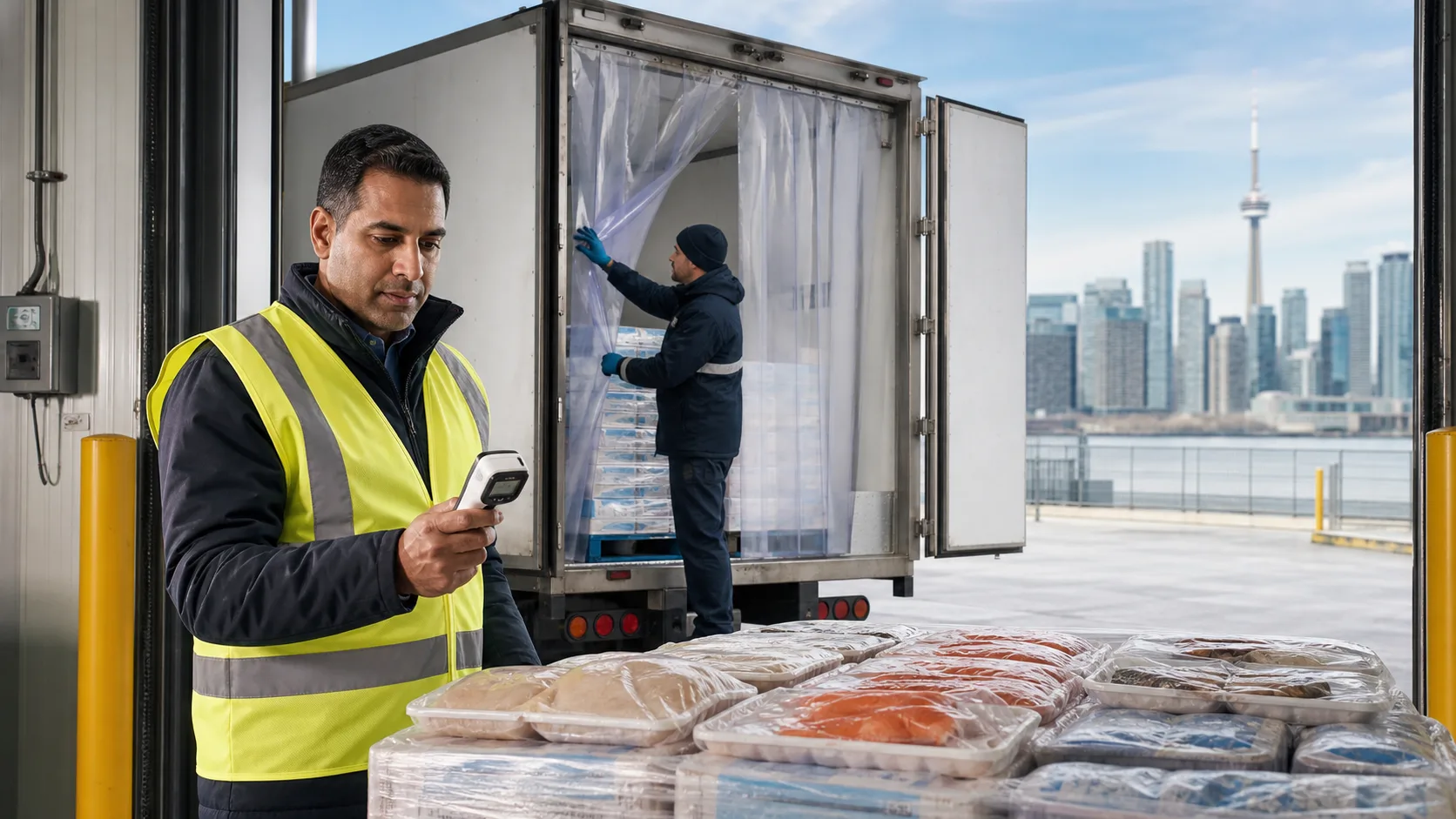
In many Toronto and GTA plants, space around docks and shipping can get crowded. Shared facilities, tight dock aprons, and limited staging areas can push people, pallets, and powered equipment into the same narrow zones. Smart end-of-line and material handling layout can:
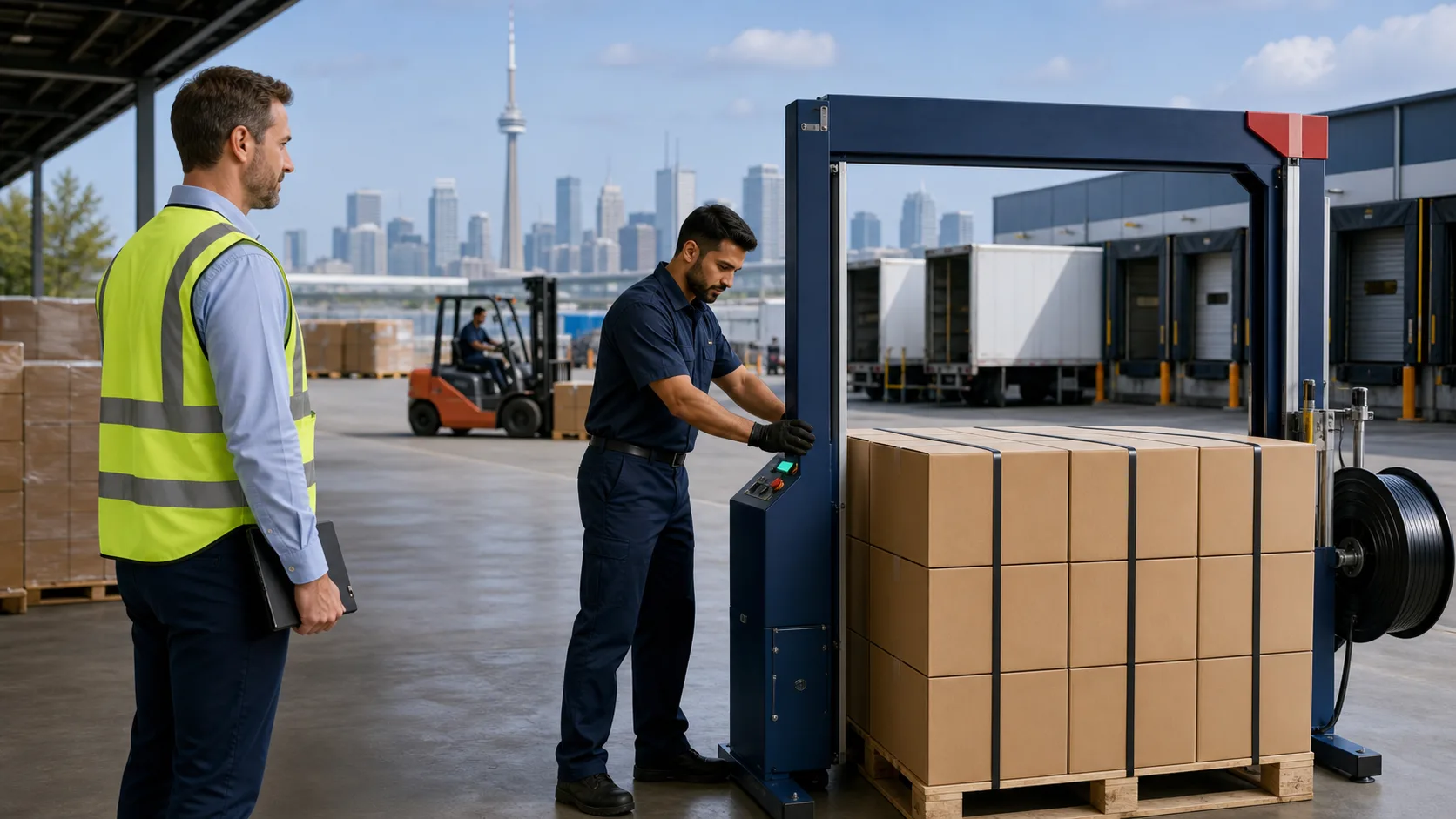
- Separate pallet wrapping and stretch hooding from busy walkways
- Keep outbound pallet flows away from incoming raw materials
- Place scanners and labelers where operators do not have to lean into traffic
Outdoor conditions in our climate add another layer. Winter means snow and ice at dock thresholds. Summer brings heat and humidity around doors left open for airflow. A layout that supports safe dock buffers, good drainage, and clear de-icing routes reduces slips, trips, and falls all year.
Maintenance Access That Cuts Downtime and Stress
Maintenance is often squeezed into whatever space is left. Machines end up jammed against walls, panels are blocked by conveyors, and overhead services are hard to reach. Technicians then spend more time getting to the problem than fixing it.
When we plan packaging line plant layout and design in Toronto, we try to build maintenance access into the concept, not as an afterthought. That can include:
- Service corridors behind or beside key machines
- Safe platforms and stairs for access to overhead drives or sensors
- Quick-disconnect utilities for faster equipment swap-outs
- Modular frames that allow sections to slide out or open for service
The ROI comes in quieter ways. Troubleshooting is faster when technicians do not have to remove guards or crawl through tight spots. Preventive maintenance is more likely to be done on time when the tasks are simple and safe. That means fewer surprises in the middle of a busy run.
For many GTA plants, production peaks are tied to seasons, like beverages in hot weather or holiday builds. Layout choices that support easy access help maintenance teams schedule work around these peaks instead of fighting them. Reduced overtime, fewer emergency contractor callouts, and better spare parts use all tie back to how the line is arranged.
Because we design, supply, and integrate end-of-line machinery and custom material handling, we can include service-friendly features in both the equipment and the overall layout. That joined-up approach keeps maintenance needs front and center.
Hygienic Layouts That Simplify Compliance and Audits
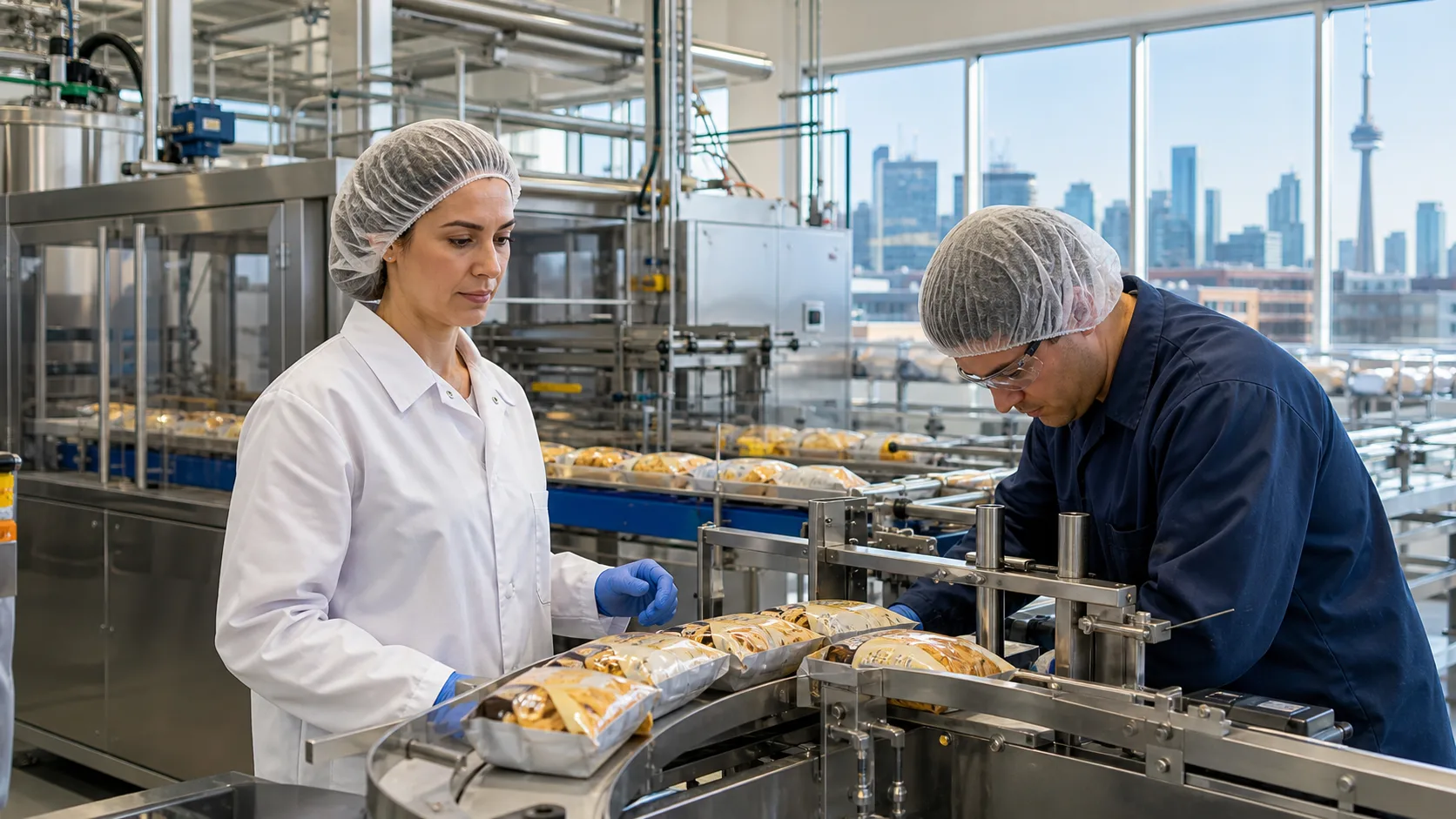
For food, beverage, and personal care plants in the Toronto area, sanitation and hygiene are constant priorities. Between CFIA expectations, GFSI schemes, and retailer standards, production teams need layouts that support clean operations, not fight them.
Smart line design can make hygiene much easier by:
- Zoning allergen and non-allergen areas with clear physical and process separation
- Setting up people and material flows to avoid cross-contamination
- Using conveyor layouts that reduce hard-to-clean gaps and catch points
- Keeping raw, processing, and finished goods paths distinct and logical
When hygiene is supported by layout, sanitation windows can be shorter and more predictable. Pre-op inspections go faster when there are fewer hidden surfaces and awkward corners. If an audit points out a concern, a well-planned line gives you clear options to correct it without rebuilding everything.
This is where hidden ROI really shows:
- Less risk of product holds, rework, or waste
- Fewer last-minute scrambles before audits or customer visits
- Lower stress on sanitation and QA teams during peak production
As seasonal product launches and pre-holiday checks approach, plants often juggle higher volumes with higher scrutiny. A hygienic, well-arranged line helps teams keep standards up even when the schedule is tight.
Building in Flexibility and Expansion From Day One
Industrial real estate in the GTA is tight and costly. Many facilities do not have the luxury of extra empty space. That makes it even more important to design today’s layout with tomorrow in mind.
Good packaging line plant layout and design in Toronto should consider:
- Future equipment like extra case packers, palletizers, or inspection systems
- Possible new SKUs with different sizes or pack patterns
- Gradual steps toward higher automation
Design tactics that keep options open include:
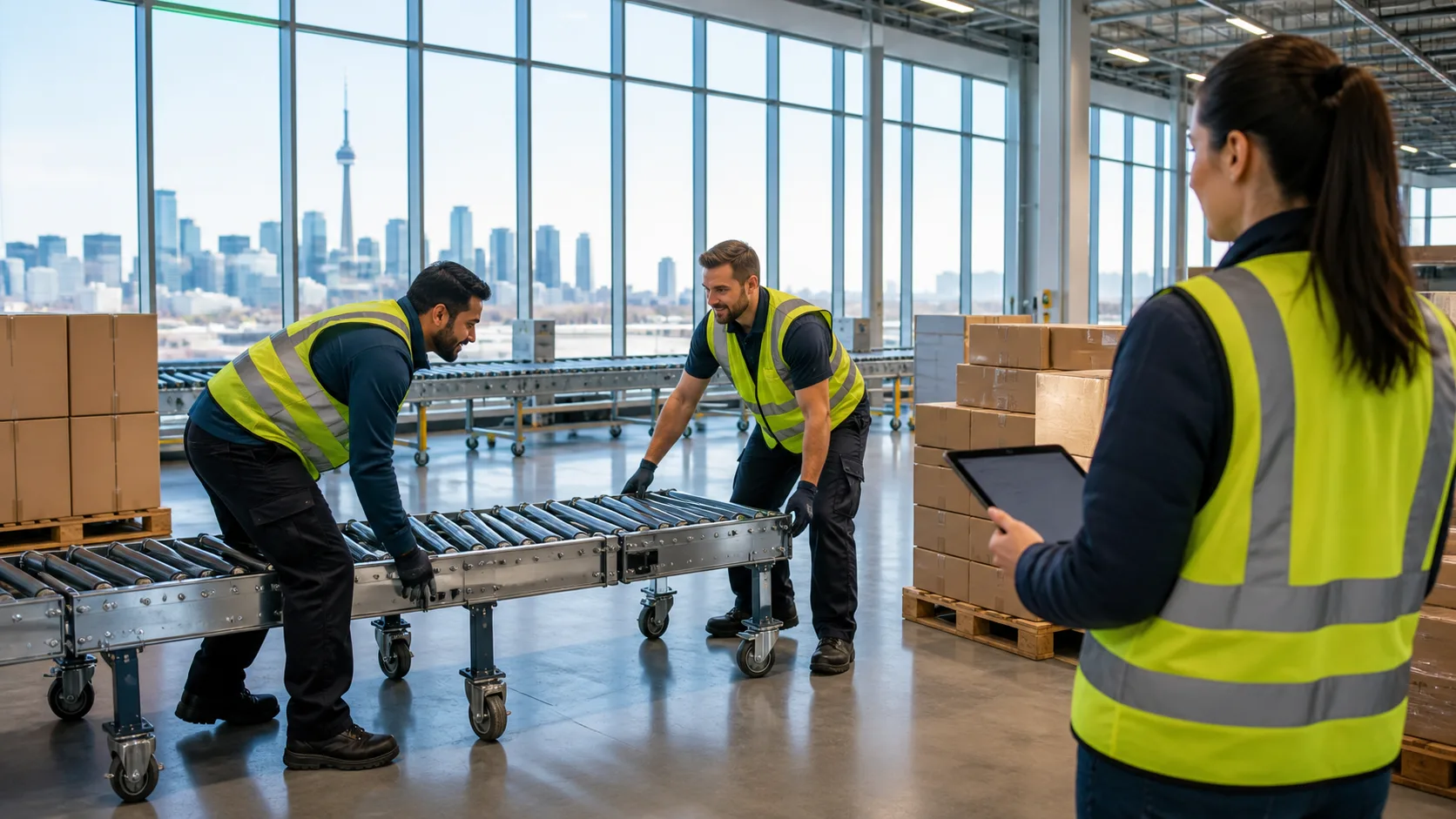
- Modular conveyors that can be extended or re-routed without full rebuilds
- Plug-and-play cells for case packing, labelling, or palletizing
- Reserved utility capacity and sensible pipe and cable routing
- Material flows that leave space for parallel or bypass paths later
When these choices are baked in early, expansions feel like planned upgrades, not disruptive construction projects. You get quicker time to market for new products because you can slot new equipment into a layout that already expects change.
The ROI shows up as less downtime during upgrades, lower engineering and construction effort, and the ability to respond to new customer needs or seasonal demand spikes without starting from scratch.
Turning Your Toronto Layout Into a Long-Term Asset
When you treat your packaging line layout as a long-term asset instead of a one-time installation, you open up a wide range of hidden returns. Safer traffic flows, better maintenance access, cleaner zoning, and planned flexibility all reduce friction in daily operation.
It can help to walk your plant with fresh eyes and look for warning signs such as:
- Recurring bottlenecks at the same conveyor or intersection
- Areas that are always hard to clean or never fully dry
- Machines with access doors blocked by other equipment or guarding
- No clear space to add a second palletizer or extra inspection station
At PMC Ltd., we focus on end-of-line packaging machinery, custom material handling, metal fabrication, and automation for industrial facilities in and around Toronto. By looking beyond labor, OEE, and energy alone, we help design and integrate layouts that are safer, easier to maintain, simpler to keep clean, and ready for what comes next.
Get Started With Your Project Today
If you are ready to improve efficiency, reduce downtime, and make better use of your production space, our team is here to help. Explore how our packaging line plant layout and design in Toronto service can be tailored to your specific operational needs. At PMC LTD., we collaborate closely with your team to develop practical, scalable solutions that fit your facility and your budget. To discuss your project or request a consultation, please contact us today.