Choosing Bottle Filling Equipment in Toronto That Lines Won’t Outgrow
Future-Proofing Your Toronto Filling Line
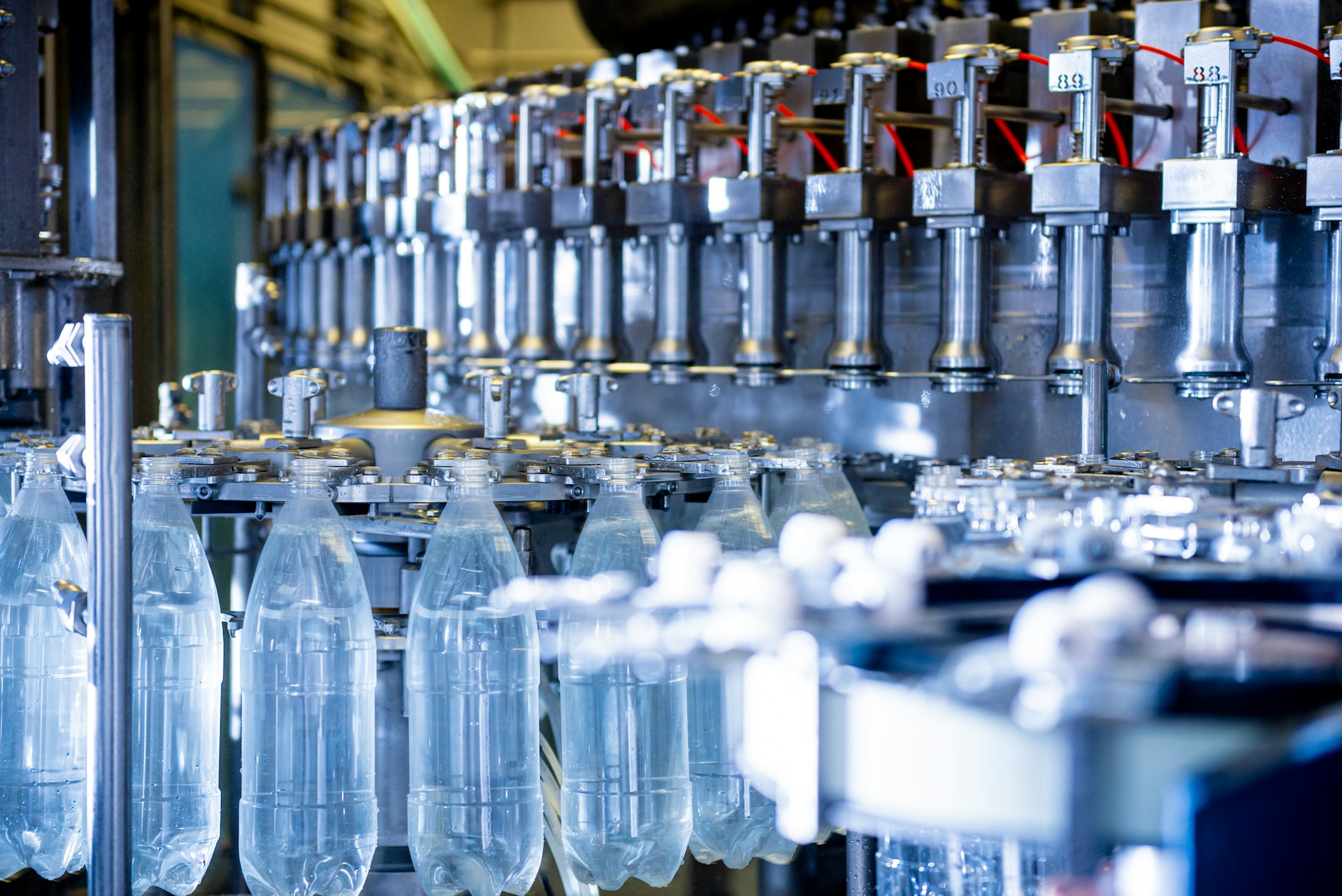
Choosing bottle filling equipment in Toronto is not just about what you are producing today. Your line has to keep up with new products, formats, and rules that will show up over the next several years. If your filler cannot adapt, the rest of your investment is stuck.
When a line is undersized or too limited, you feel it fast. You get production bottlenecks, long changeovers, and trouble hitting seasonal peaks or export orders. Operators get stressed, quality slips, and you end up planning workarounds instead of growing.
This is why smart plants across the Greater Toronto Area look at filling as part of a longer plan. The goal is simple: build a line that grows with your business instead of holding it back. At PMC Ltd., we focus on end-of-line packaging and custom material handling, so we pay close attention to how a filler fits into that bigger picture.
Reading Toronto’s Market Before You Buy
Toronto’s product mix changes quickly. One month it is low-sugar craft sodas, the next it is RTD coffee, functional drinks, or small-batch personal care. Food, beverage, health, and beauty brands in the GTA test new sizes and formulas all the time, and retailers expect you to keep up.
Those changing demands affect your filler more than many people think. Retailers and distributors often ask for:
- Club packs and multi-packs that push different bottle sizes
- Limited-time flavours with short runs and frequent changeovers
- Bilingual or custom labels tied to specific promotions
- New shapes that are harder to handle on older equipment
All of this means your line might run a standard SKU in the morning, a seasonal product in the afternoon, and a private-label format at night. If your filler, conveyors, and end-of-line gear cannot switch over efficiently, you lose a lot of productive time.
Before you choose bottle filling equipment in Toronto, it helps to do a simple but structured review:
- Current SKUs, sizes, and formats
- Products you plan to add in the near term
- Target retailers and any special packaging rules
- Export or co-packing ambitions
When we work with GTA plants, we map those points to real line needs, like fill range, change part strategy, and how downstream equipment should be set up to support all of it.
Capacity, Speed, and Flexibility That Won’t Box You in
Sizing a filler is about more than picking a speed on a spec sheet. You need it to handle your current orders, leave room for growth, and still fit your staff and utility limits. In the Toronto area, labour markets, shift patterns, and power availability all affect what makes sense.
A simple way to think about it:
- What is your realistic maximum output per shift today?
- How many shifts can you run in your facility?
- What seasonal peaks do you see in summer and around year-end?
- How much extra capacity do you want as a buffer for new business?
On the technical side, different filling methods suit different products:
- Gravity fillers work well for thin, non-carbonated liquids like water and some juices
- Pressure or counter-pressure fillers handle carbonated drinks
- Volumetric and piston fillers are better for thicker sauces, syrups, or creams
- Weight-based fillers help when accuracy is key, like higher-value liquids
In Ontario, a single plant might run anything from cold, carbonated drinks to warm, viscous food products. Flexibility matters. Features that help include:
- Quick-change tooling and colour-coded parts
- Recipe-driven controls that store fill volumes and speeds
- Modular stations you can add or reconfigure later
That mix lets you move from short summer runs to heavy holiday builds without wasting days on setup.
Integrating Filling, Conveying, and End-of-Line Systems
A filler that runs beautifully on its own can still hurt your output if the rest of the line cannot keep up. Every part of the system needs to work together as one flow, from infeed to pallet.
Key integration points include:
- Bottle infeed and accumulation before and after the filler
- Cappers, sealers, and labellers that match filler speed
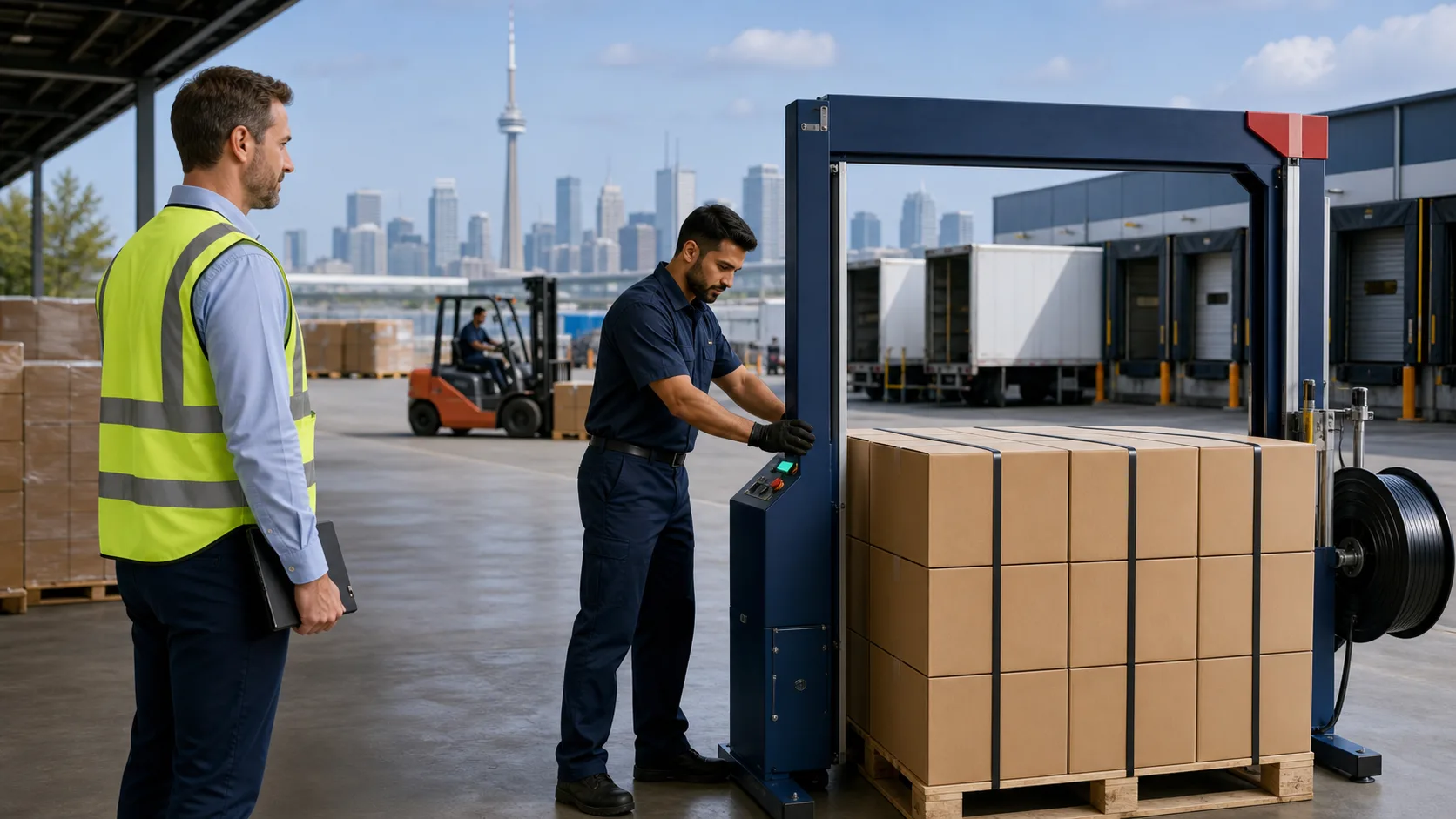
- Case packers and palletizers sized for your real throughput
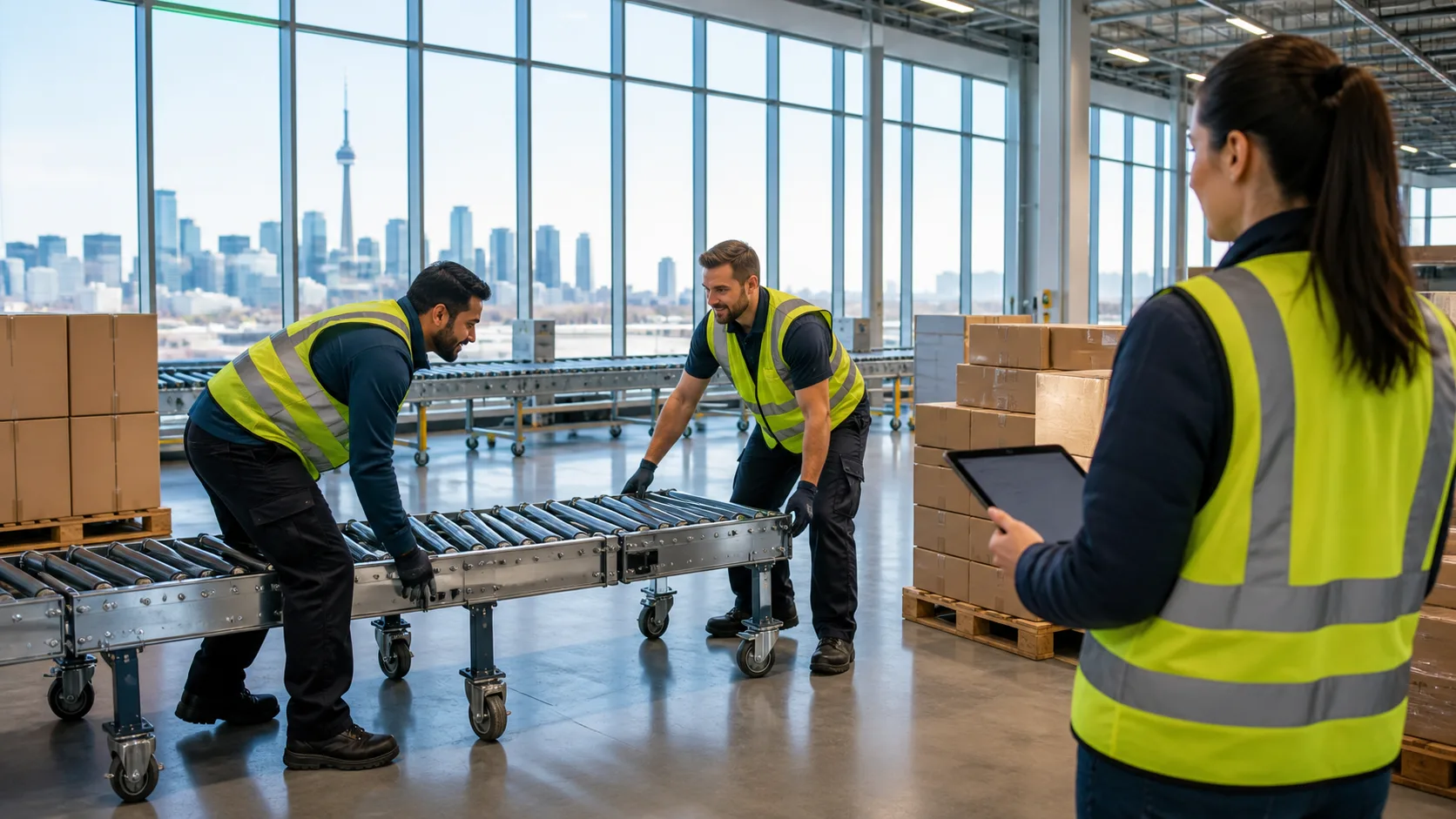
- Conveyor design that supports bottle stability at higher speeds
GTA facilities often have older buildings, tight corners, and shared spaces. At PMC Ltd., we design custom material handling and end-of-line automation that works inside those real limits. We pay attention to:
- Floor space restrictions and low ceilings
- Mezzanines and overhead utilities
- Washdown and non-washdown zones
- Clear paths for operators, lift trucks, and maintenance teams
Getting this right helps prevent backups after the filler, reduces manual handling, and makes it easier to run longer hours when demand jumps.
Hygiene, Compliance, and Safety for Ontario Plants
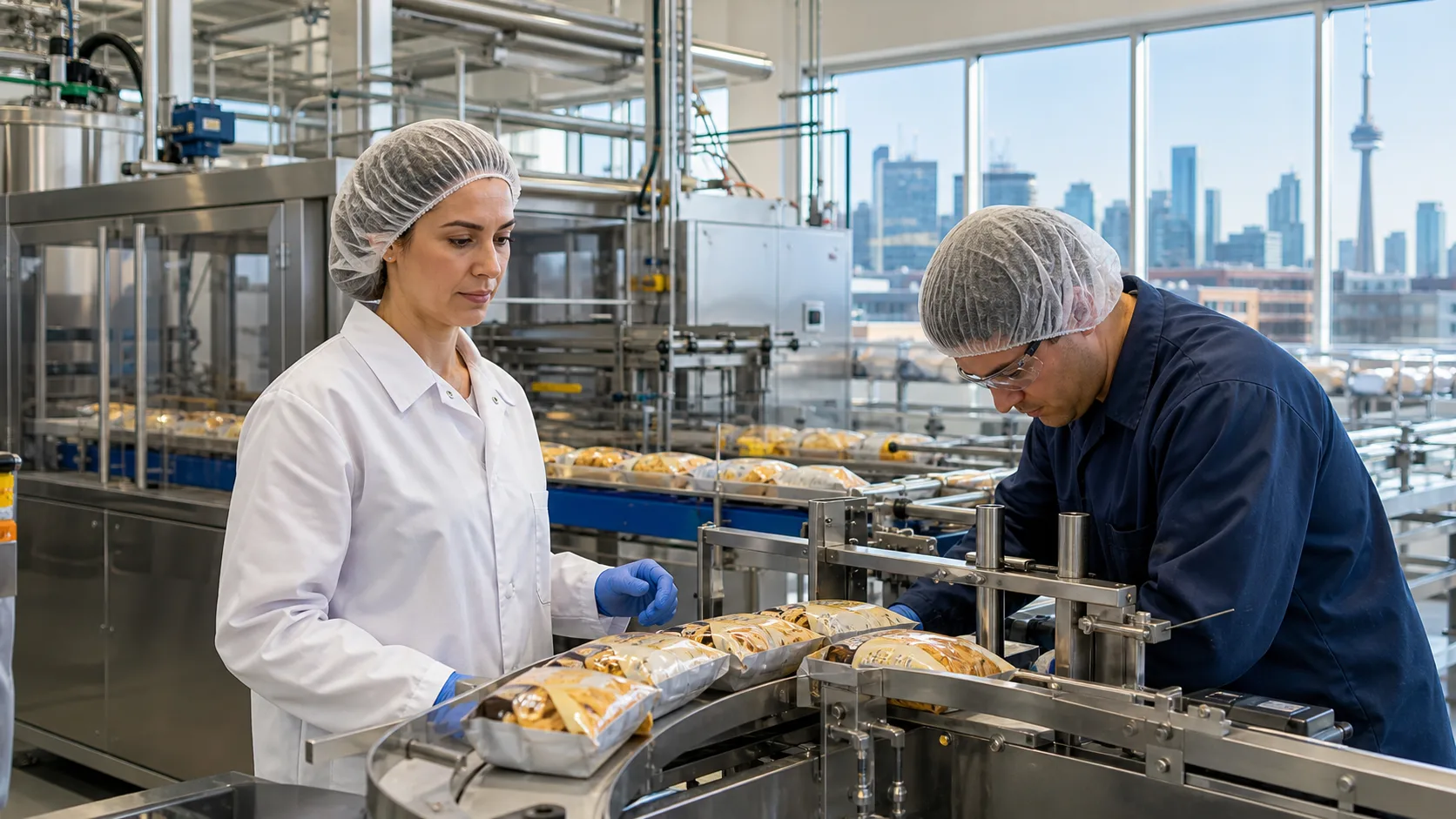
For beverages, dairy alternatives, food, and many personal care products, hygiene is non-negotiable. The design of your bottle filling equipment in Toronto needs to support proper cleaning and sanitation routines.
Important features to look at include:
- Clean-in-place (CIP) and steam-in-place (SIP) capability where needed
- Sanitary welds and smooth product contact surfaces
- Drainable piping and frames that do not trap liquid
- Access points that let staff clean and inspect without struggle
Regulatory and retailer expectations also shape equipment choices. Plants often need to align with provincial and federal rules, as well as the standards of national chains. This affects materials, guarding, labelling systems, and safety controls.
On the safety side, a well-designed line supports a diverse, multi-shift workforce:
- Clear guarding and interlocks around moving parts
- Logical lockout points for maintenance work
- Thoughtful operator access for changeovers and checks
- Noise control and ergonomic layouts to lower fatigue
Good design lowers the chance of injuries and keeps new and experienced operators comfortable at the line.
Reliable Service, Parts, and Seasonal Readiness
Even the best filler needs support. Local service matters, especially when your plant is running close to capacity and cannot afford long outages. An Ontario-based team that understands GTA production patterns can plan work around your schedule.
A smart parts and maintenance strategy usually includes:
- A list of critical spares to keep on hand locally
- Planned overhauls outside your busiest production windows
- Remote diagnostics where possible to catch issues early
- Regular checks on wear parts in filling valves and change parts
Training also plays a big role. Clear documentation and hands-on operator training help new staff get up to speed quickly. This is especially important when you add temporary staff for summer beverage peaks or extra shifts for holiday builds.
When bottle filling equipment, conveyors, and end-of-line systems are all supported by the same team, it is easier to keep everything tuned and ready for the next surge in demand.
Plan Your Next Bottle Filling Line with Confidence
Choosing bottle filling equipment in Toronto is really about planning your whole operation for the future. Before you commit, it helps to be clear on a few questions: What products will you run over the next several years? Which retailers are you targeting? How much space and power do you truly have? How will the filler connect with your conveyors, case packing, and palletizing?
At PMC Ltd., we work with manufacturers across the GTA and Ontario to design, supply, and support packaging automation and custom material handling that fits those real-world needs. By looking at your filling, conveying, and end-of-line equipment together, you can build a line that is flexible, compliant, safe, and ready for the next round of growth instead of one you will outgrow too soon.
Get Started With Your Project Today
If you are planning a new line or upgrading existing operations, we can help you select the right bottle filling equipment in Toronto for your production needs. At PMC LTD., we work with you to match capacity, product type, and budget so your system runs efficiently from day one. Share your project details and our team will provide straightforward recommendations, timelines, and next steps. To discuss specifications or request a quote, please contact us.