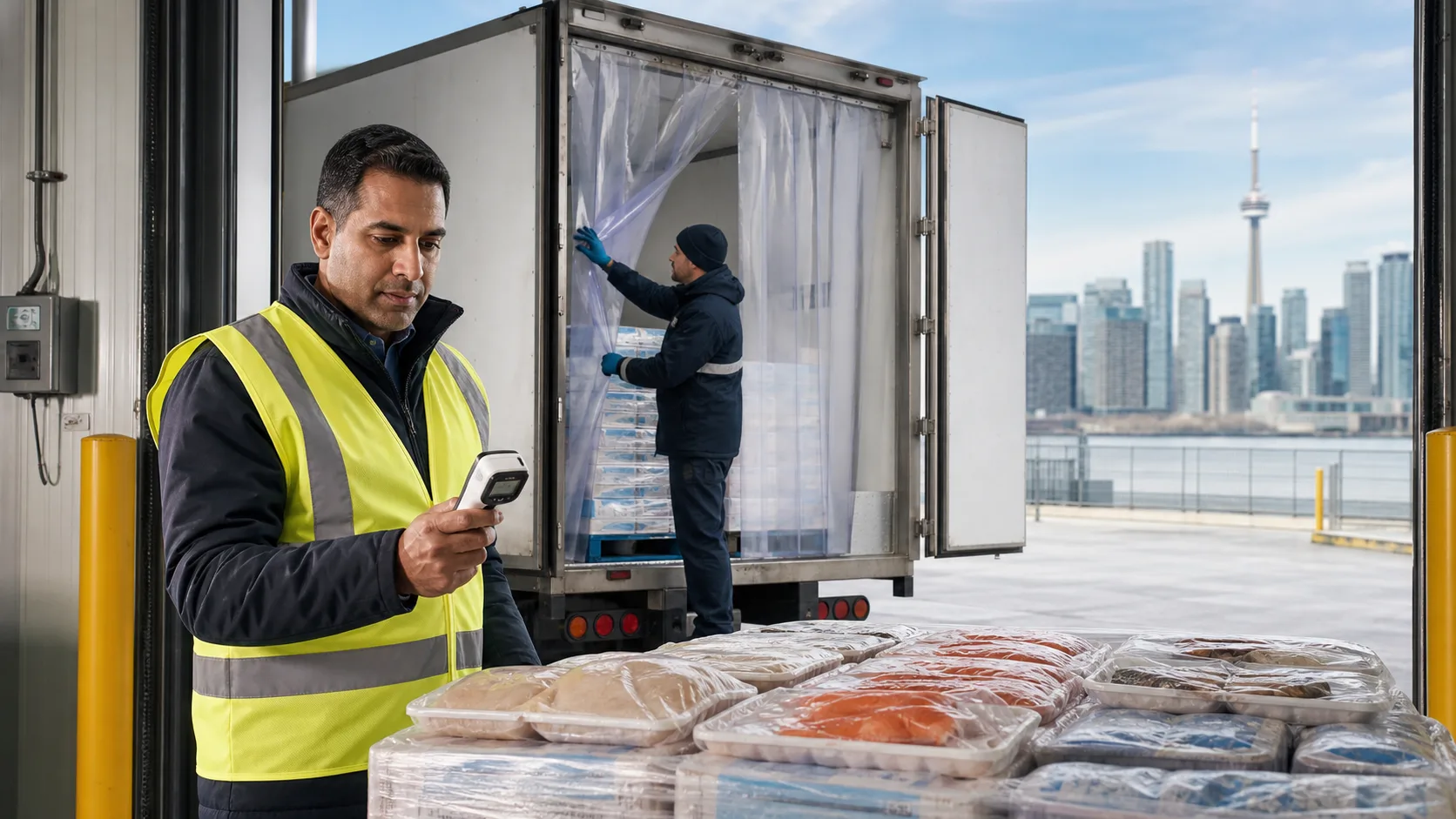
What Toronto Plants Overlook About Cold-Chain Product Handling Systems
Cold-Chain Production Is Only as Strong as Its Handling
Cold rooms, freezers, and clean rooms get a lot of attention in Toronto plants. New chillers, better insulation, strict hygiene rules, all of that is important. But if the product handling systems that move cases, trays or bottles through those areas are weak, the whole cold chain is weak.
Gaps in conveyors, awkward transfers and messy accumulation points can undo big investments in refrigeration, sanitation and labour. Product warms up during backups, bacteria hides in hard-to-clean spots and operators fight with constant micro-stops. In this article we share common oversights we see with product handling systems in Toronto cold-chain and high sanitation environments, and how smarter design helps reduce waste, recalls and unplanned downtime.
Hidden Risks Lurking in "Washdown" Conveyor Designs
Many plants feel safe once they order equipment labeled as washdown. The label sounds reassuring, but it does not always mean the conveyor is truly hygienic or easy to clean in real life.
Common problem areas include:
- Hollow tubing that traps water and bacteria
- Flat horizontal surfaces that hold standing water and debris
- Exposed threads, crevices and angle brackets that are hard to reach
- Fasteners and guards that need tools and extra time to remove
For high sanitation zones, the design needs to go further than a rating on a spec sheet. Strong practices include:
- Open-frame construction so you can see and reach every surface
- Continuous welds instead of bolted joints that trap residue
- Sloped surfaces so water and cleaning chemicals drain away
- Sanitary bearings and hardware chosen for washdown use
- Tool-less belt removal to speed up cleaning and inspection
Plants often underestimate how long cleaning really takes when conveyors are not built with these features. Staff may plan a quick wash, then find they are fighting shields, guards and stubborn build-up.
When sanitation takes longer than expected:
- Shifts slip and production backs up
- Overtime climbs because lines are not ready on time
- Peak runs, like busy seasonal production, do not hit their targets
Hygienic design in product handling systems is not just for food safety teams. It also protects throughput and staff morale by making cleaning predictable and repeatable.
Cold-Chain Handling Mistakes That Cost Torontonian Producers
Low temperatures change how equipment behaves. What runs smoothly at room temperature can behave very differently once it lives in a cooler or freezer.
In cold-chain product handling systems, we often see:
- Condensation forming on frames and sensors, causing faults
- Plastic belts shrinking or stiffening, which affects tracking
- Materials becoming brittle in low temperatures, leading to cracks
- Lubricants thickening so parts move less freely
Typical oversights inside cold rooms and freezers include:
- Ignoring airflow paths around conveyors, which can create uneven cooling or warm pockets where product stalls
- Putting sensors, junction boxes and cables directly in blast zones, where frost and ice build up around them
- Leaving transfer points uninsulated so moisture freezes, product slips and misfeeds increase
These issues do more than slow the line. They affect temperature integrity and consistency, which matters for food, beverage and pharmaceutical products moving to major retailers and distributors in the GTA.
When product spends too long in a warm zone near a backed up transfer, quality teams may decide to hold or even reject that batch. Retail partners expect tight control of temperatures and traceability. Small handling issues that seem minor in maintenance meetings can add up to strained relationships when deliveries are delayed or reworked.
Where Product Handling Systems Break Your Sanitation Chain
Many plants put a lot of effort into zoning their facilities. They define low, medium and high hygiene areas, then set rules for people, tools and cleaning methods. The weak link often shows up where product handling systems connect different machines.
Transitions between machines are frequent hot spots, for example:
- Merges that bring multiple lanes together
- Diverters and laners that change product direction
- Accumulation tables where product pauses and backs up
If these pieces are not designed to match the hygiene zoning strategy, they become contamination risk points. A laner with mild steel supports sitting in a high sanitation packaging area, for example, can rust and trap residue even if the surrounding machines are all stainless.
Other material and finish problems include:
- Non-food-grade plastics in contact zones
- Coatings that chip or peel under repeated washdown
- Mixed metals that corrode more quickly in wet environments
Human factors matter just as much. When access to conveyors is awkward, staff start to create workarounds. If guards are heavy and hard to remove, people are more likely to skip full cleaning during rushed changeovers. When the only way to reach a corner is to crawl under a frame, that corner often does not get cleaned as often as it should.
Designing for safe, easy access encourages operators and sanitation teams to follow the process properly, even when production is pushing hard to meet demand.
Designing Cold-Chain-Ready Systems for Toronto’s Climate
Toronto plants also have to live with local weather. Product handling systems that run between docks, ambient areas and coolers see big temperature swings, especially around shipping and receiving.
Key pressure points include:
- Dock doors that open to cold, wet or salty air
- Staging conveyors near doors where humidity shifts quickly
- Transitions from ambient packing to refrigerated storage
Good design strategies for these areas include:
- Zoned conveyors that step product through temperature changes instead of one big jump
- Proper seals, strip curtains or air curtains around openings to reduce warm or moist air exchange
- Drip management so condensation and snow melt do not drop onto belts or sensors
- Material choices that resist corrosion from moisture and de-icing salts, especially on frames and supports
Local engineering and support also play a role. Teams that work in the GTA understand how Canadian winters, local codes and expectations from groups like CFIA and Health Canada shape real plant conditions. They know where frost likes to appear on outdoor runs, how operators move around dock areas in winter gear and which materials stand up better over time in local facilities.
Smarter Product Handling Systems in Toronto Start Here
The main shift is simple: treat product handling systems as part of your cold-chain and sanitation infrastructure, not as generic conveyors that just connect machines. Once you see them that way, design questions start to change.
Instead of asking only about speed and width, it becomes normal to also ask:
- How fast can we clean this, start to finish, on a busy night?
- Where will water, condensation and frost collect on this frame?
- Does every transfer and merge match our hygiene zones and materials rules?
- How will this system behave at dock temperature versus inside the cooler?
A practical first step is to walk your lines with a fresh eye before the next busy season:
- Areas where product backs up near warm air or open doors
- Cleaning tasks that staff complain about or often delay
- Components in cold rooms that are regularly iced over or wrapped in towels
- Spots where operators lean, climb or reach in awkward ways just to keep running
At PMC Ltd., we work with Toronto manufacturers on end-of-line packaging automation, custom machinery and metal fabrication, with a strong focus on how those systems perform in real cold-chain and high sanitation environments. Thoughtful product handling design reduces risk, supports your hygiene program and helps your people keep lines running, even when the schedule is tight and the weather is uncooperative.
Get Started With Your Project Today
If you are ready to improve efficiency and reliability in your facility, our team at PMC LTD. can help design and implement tailored product handling systems in Toronto. We work with you to understand your process, layout and long-term goals so that your solution fits your operation from day one. To discuss your project or request a quote, simply contact us and we will follow up promptly with next steps.