Aligning Packaging Line Layout with Toronto Labour Realities
Smarter Line Layouts for a Tight Toronto Labour Market
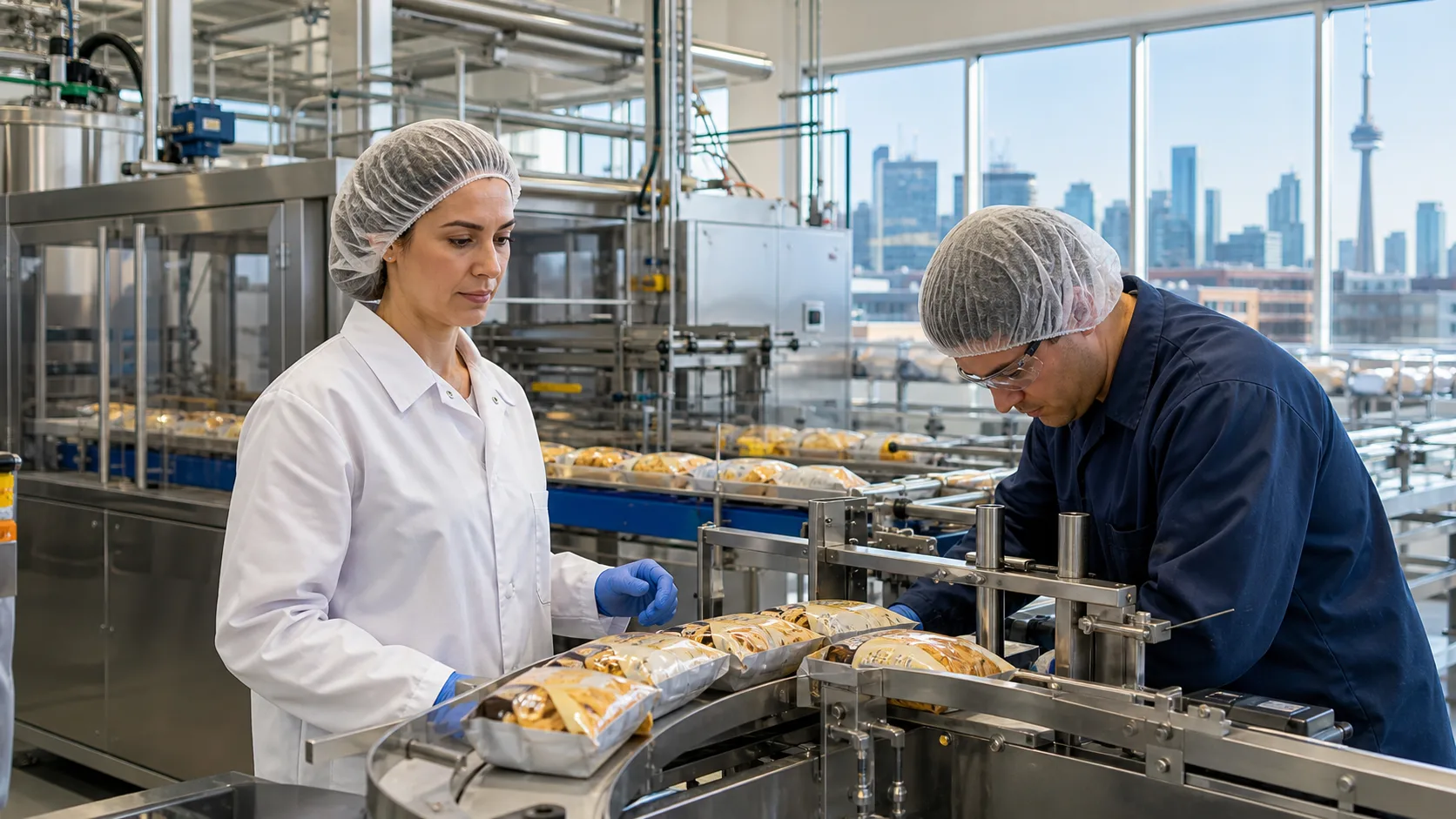
Packaging plants around Toronto are feeling the same pinch: jobs are open, trades are hard to find, and wages keep climbing. At the same time, retailers still expect fast turnaround and steady supply. The pressure lands right at the end of the line, where cases, pallets, and stretch wrapping need to keep moving without constant attention.
This is why packaging line plant layout and design in Toronto cannot be based on the idea of unlimited operators anymore. Line design has to respect real staffing levels, shift gaps, and the fact that experienced millwrights and operators are not always available. With smarter layouts, better material flow, and the right automation, manufacturers can keep output high while protecting worker safety and morale.
At PMC Ltd., we focus on end-of-line packaging automation and custom material handling that match how GTA plants actually run. We design, supply, install, and service systems that fit tight spaces and tight labour pools, so each person on the floor has the best chance to succeed.
How Toronto Labour Pressures Shape Line Design
Hiring in the Greater Toronto Area is tough, especially for skilled trades and experienced operators. Many plants deal with open positions that last for months, rotating temporary workers, and frequent shift reshuffling when someone calls in sick or takes vacation. That reality should sit at the heart of how a line is laid out.
These labour pressures change what “good design” looks like on the floor. Lines need to be:
- Intuitive to run, so new hires can get comfortable quickly
- Low touch, with fewer manual steps between machines
- Clear to read, with visual flow that shows where product should go next
When staffing is tight, there is less room for confusing flows, awkward corners, or controls that only one veteran knows how to use. Clear sightlines and simple, consistent operator stations lower the chance of mistakes when a new person steps into a role.
Safety and ergonomics also matter a lot. Ontario’s Ministry of Labour and WSIB expectations influence how we think about:
- Guarding and access doors on conveyors and machines
- Space between equipment for safe walking and passing
- Reach distances, lifting heights, and repetitive motions
Good layouts help operators work in safe, natural positions. This is not just about compliance, it is about keeping people healthy and able to stay on the job.
Designing Layouts That Reduce Operator Dependence
With the right packaging line plant layout and design in Toronto, a plant can run more product with fewer operators per shift. The goal is not to run people harder, it is to ask less of them, but in smarter ways.
Some of the key layout strategies we look at include:
- Consolidating manual tasks into combined workstations instead of spreading them out
- Adding accumulation between machines, so one operator can watch several points without rushing
- Shortening walking distances between critical controls, quality checks, and rework areas
For example, if one person has to walk across the plant to clear every small fault, your true capacity drops fast. If those tasks are within a few steps, that same operator can comfortably manage more machines.
We also focus on:
- User-friendly HMIs with clear graphics and plain language alarms
- Consistent button layouts and colour coding from machine to machine
- Good line-of-sight between key pieces of equipment
When the controls look and feel similar across the line, new staff do not have to “re-learn” every station. Training time shrinks, and the risk of wrong button presses goes down. It also makes life easier for supervisors who are covering for someone at short notice.
Automation and Custom Handling Built for GTA Facilities
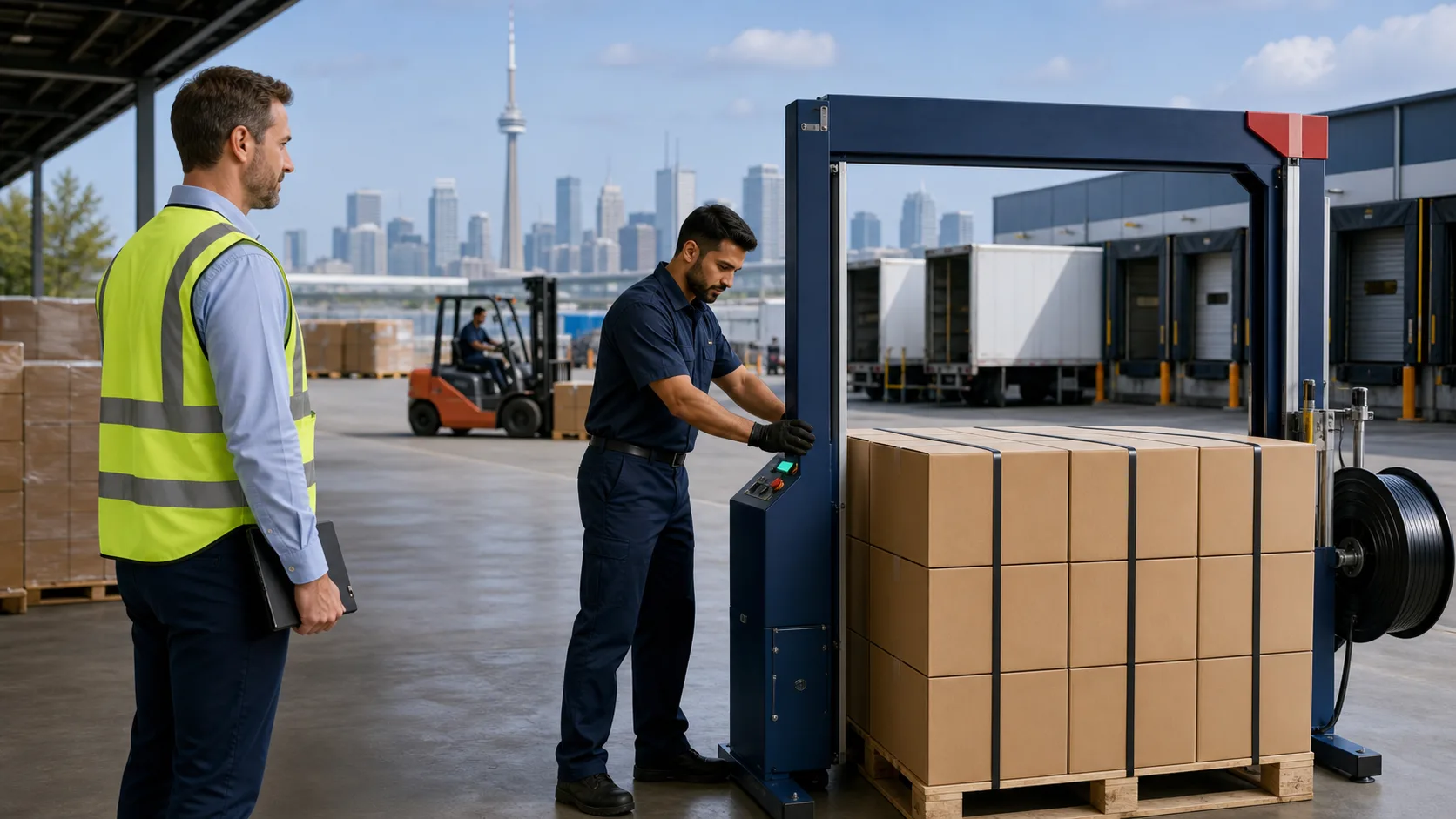
End-of-line automation is one of the most direct ways to take pressure off a short-staffed crew. Case packers, palletizers, stretch wrappers, and conveyor systems can handle the repeatable lifting, stacking, and moving that wear people out.
When we design these systems, we look at where people are doing the same motion over and over, such as:
- Building pallets by hand
- Taping and stacking heavy cases
- Pushing product from one conveyor to another
Automating these points lets you move those workers into higher-value tasks, like quality checks, changeovers, or troubleshooting.
Facilities around Toronto often come with their own quirks. Older buildings, low ceilings, tight dock areas, and shared utility corridors are common. This is where custom material handling and metal fabrication matter. We can shape equipment frames, platforms, and supports so lines fit:
- Around existing columns and pits
- Under low structural beams
- Along narrow walls or into oddly shaped rooms
Many GTA plants also see strong seasonal peaks, such as pre-holiday ramp-ups or back-to-school spikes. Modular and scalable automation lets you:
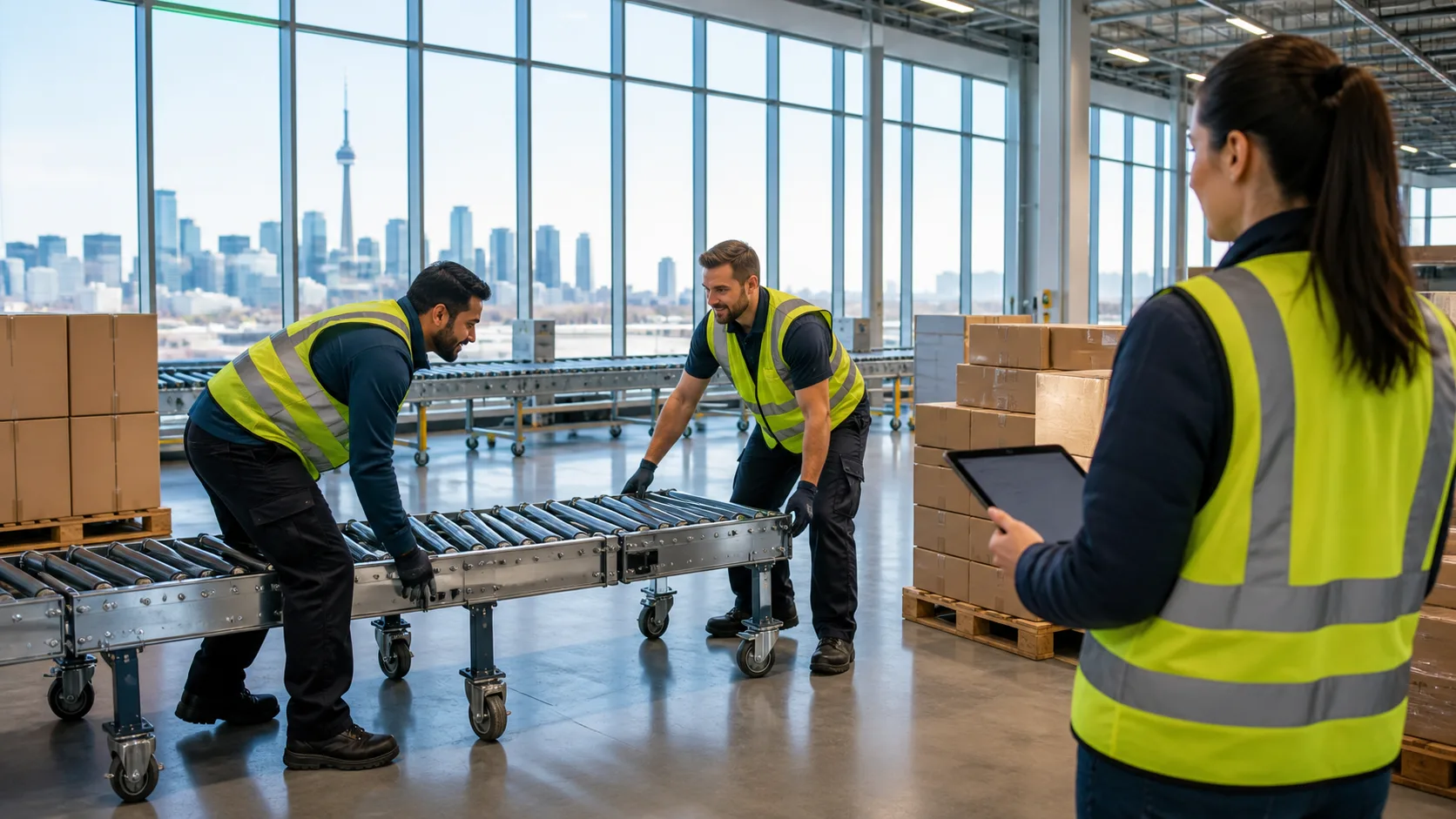
- Add or remove sections of conveyor as needs change
- Run extra shifts on automated lines without needing a full new crew
- Increase palletizing or wrapping capacity during busy periods
This kind of flexibility keeps long-term headcount stable, while still meeting short bursts in demand.
Keeping Integrated Lines Running with Limited Staff
Designing for fewer operators is only half the story. You also need layouts that support quick, safe maintenance when there are not many maintenance technicians on site.
Service-friendly design features include:
- Safe platforms and steps for access to motors, drives, and sensors
- Pull-out or swing-away sections where cleaning is frequent
- Logical grouping of power and air drops to simplify troubleshooting
If a mechanic can reach the right part in minutes, downtime stays low, even when the maintenance team is small.
Preventive maintenance planning also becomes more important when plants run skeleton crews during vacation seasons or weekends. Remote support tools, clear lockout points, and standardized spare parts across the line help your own team respond faster.
At PMC Ltd., we back our automation projects with ongoing service, welding, and repair support. We know lines in the Toronto region work hard, and we design with long-term reliability, in mind so your plant can keep running, even when the roster is thin.
Planning Your Next Layout with Toronto in Mind
If your packaging area feels crowded, or if operators are constantly stretched, it might be time to look closely at your layout. The real test is not what the line could do with a perfect crew, it is how it runs with the people you actually have on each shift.
A simple starting point is to:
- Map how product moves from the last process step to the truck door
- Trace how people move during a normal run, including every walk for labels, pallets, or tools
- Mark where congestion, “hot spots,” and high-labour tasks show up
From there, many plants find that end-of-line changes give the fastest improvement. Upgrading conveyors, case handling, palletizing, and stretch wrapping can unlock smoother flow before the next busy season hits.
For manufacturers and co-packers across the GTA, aligning packaging line plant layout and design in Toronto with real labour conditions is now a core part of staying competitive. With the right mix of thoughtful layouts, smart automation, and practical service planning, it is possible to protect your team, respect your building limits, and still hit your production goals.
Optimize Your Packaging Line For Long-Term Efficiency
If you are ready to improve throughput, reduce bottlenecks, and create a more efficient facility, our team can help you plan every detail of your packaging line plant layout and design in Toronto. At PMC LTD., we work closely with your operations and maintenance teams to align layout decisions with real production goals. Tell us about your project and timelines, and we will outline practical next steps tailored to your plant. To get started, simply contact us and schedule a conversation with our engineering team.