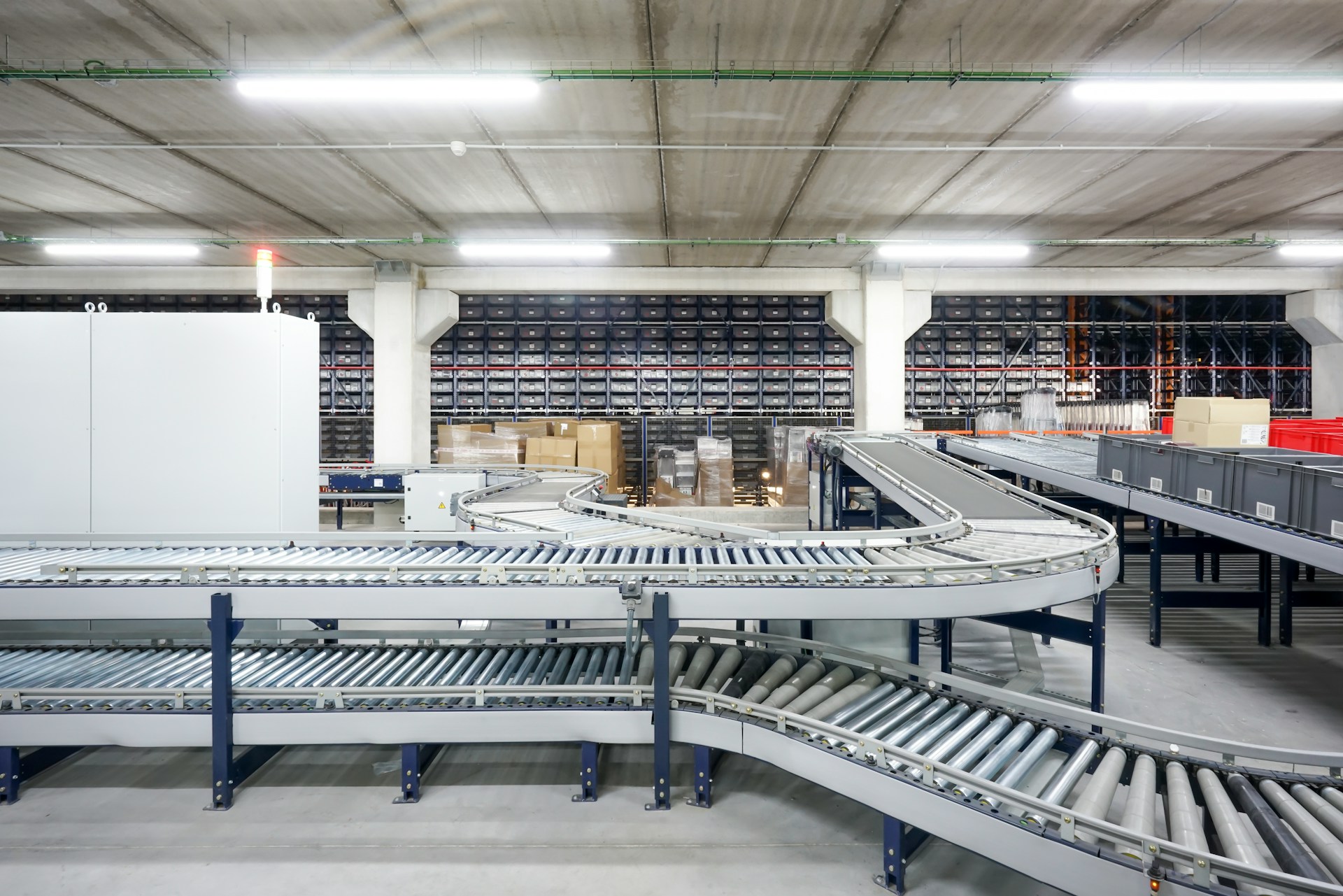
Designing Hygienic Product Conveyor Systems for Toronto Plants
Hygienic Conveyor Design That Protects Your Toronto Plant
Hygienic product conveyor systems in Toronto are a direct line of defence for brands, employees, and customers. When conveyors touch or carry exposed product, any design flaw can turn into a hard-to-reach dirt trap that is tough to clean and easy to miss during a busy shift. In a dense urban area like the Greater Toronto Area, where plants run long hours and product moves quickly, that risk adds up.
Hygienic conveyor design is different from typical material handling. It focuses on cleanability, smooth product flow, and layouts that support safe, frequent washdowns. Materials need to stand up to chemicals and moisture, frames need to be open and accessible, and the line needs to be planned around how the sanitation team actually works. PMC LTD. designs, supplies, and installs turnkey systems for Toronto plants in food and beverage, pharmaceuticals, and consumer goods, with hygienic considerations built in from the start.
Why Hygiene Standards Are Tougher in Toronto Plants
Toronto facilities operate under Canadian food safety expectations that extend into how conveyor systems are built and installed. Programs like HACCP, CFIA guidance, and GFSI-based schemes expect hazards to be controlled at each step, including how product moves between processing, packaging, and shipping. That means conveyors and end-of-line packaging need to support monitoring, cleaning, and clear separation of zones.
Urban plants in the GTA often face extra pressure because of how they are set up. Many facilities deal with:
- Limited floor space and tight footprints
- High staff density around the line
- Quick product turnover and frequent production changeovers
- Shared areas where raw and finished goods are close together
All of this can amplify the impact of a single weak point on a conveyor. A hard-to-clean roller, a poorly placed guard, or a crowded transfer can become a recurring source of contamination risk.
Retailers and export customers that buy from Toronto plants often expect more than basic compliance. Large chains and cross-border buyers tend to ask deeper questions about hygienic design, traceability, and how product conveyor systems in Toronto support safe handling. When conveyors clearly align with those expectations, audits are typically smoother, and it is easier to maintain customer confidence.
Key Design Features of Hygienic Product Conveyor Systems
The right materials are the base of a hygienic conveyor. For most plants handling food, pharmaceuticals, or health-related consumer goods, this usually includes:
- Stainless steel frames and supports in suitable grades
- Non-porous, food-grade belts or modular belts that resist moisture
- Corrosion-resistant hardware and fasteners
- Components chosen to handle frequent washdowns and local humidity
Finishes matter as much as the materials. Smooth, weld-friendly surfaces help reduce places where product and water can sit, so sanitation teams can reach and remove soils more easily.
Cleanability is the next layer. Hygienic conveyor designs often include:
- Open frame construction to allow visibility and access under and around belts
- Tool-less belt removal where practical
- Fewer horizontal ledges that collect dust or product
- Sloped surfaces that shed water instead of letting it pool
Safety and hygiene should support each other. Guards, interlocks, and sensors need to protect operators while avoiding tight, hidden pockets. When guarding is designed with hygiene in mind, it becomes faster to remove, easier to clean around, and more reliable in daily use.
Adapting Conveyor Solutions to Toronto’s Plant Realities
Many Toronto plants are in older buildings or mixed-use industrial spaces. Ceiling heights can be low, columns may obstruct layouts, and there may be structural limits on what can be mounted overhead. Effective conveyor and material handling layouts work within these realities, rather than forcing teams to work around awkward equipment.
Space constraints often call for:
- Compact transfers that still protect product
- Vertical lifts or tight-radius turns
- Careful routing above or below existing utilities
Local environmental conditions also shape conveyor design. Hot, humid summers can stress motors, sensors, and belt materials, while winter brings salt, moisture, and slush into loading dock areas. These shifts affect corrosion, wear, and cleaning schedules. Planning for the full range of Toronto weather helps keep hygienic performance stable throughout the year.
Integration with existing lines is just as important as the conveyors themselves. A hygienic system should connect smoothly to case packers, sealers, labellers, and palletizers, keeping product moving in a clean, controlled way. Poorly planned transitions can cause product damage, fallen items, and extra handling, all of which make cleaning harder and slow down production.
Simplifying Cleaning, Sanitizing and Changeovers
Hygienic design pays off when cleaning and changeovers are faster, more consistent, and easier to verify. When conveyors are open and logical, sanitation staff can work steadily instead of managing hidden bolts and tight gaps.
Good design choices for easier cleaning include:
- Components that are easy to remove, inspect, and reassemble
- Fewer tools required to open covers or remove guards
- Spray patterns and low-foam wash methods that match the layout
- Clear drainage paths so chemicals and rinse water do not linger
Many Toronto plants run multiple SKUs on the same line, which raises cross-contamination risk. Thoughtful conveyor details help here as well. Colour-coded parts, adjustable guides, and appropriate belt types can support faster, cleaner product changeovers. When operators can see at a glance which items belong to which product run, mistakes decrease and sanitation steps are easier to follow.
Training and standard operating procedures need to match the equipment. Maintenance and sanitation teams benefit from clear guidance, so the hygienic features built into the conveyors are used as intended. When staff understand why a guard is removable or why a surface is sloped, they are more likely to clean it properly and keep it in good condition.
Custom Hygienic Solutions for End-of-Line Packaging
Hygienic product conveyors are the link between primary production and end-of-line automation such as case packing, sealing, labelling, and palletizing. If this link is weak, clean product can be exposed to new risks just before it leaves the plant. If it is strong, hygiene is protected all the way to the truck.
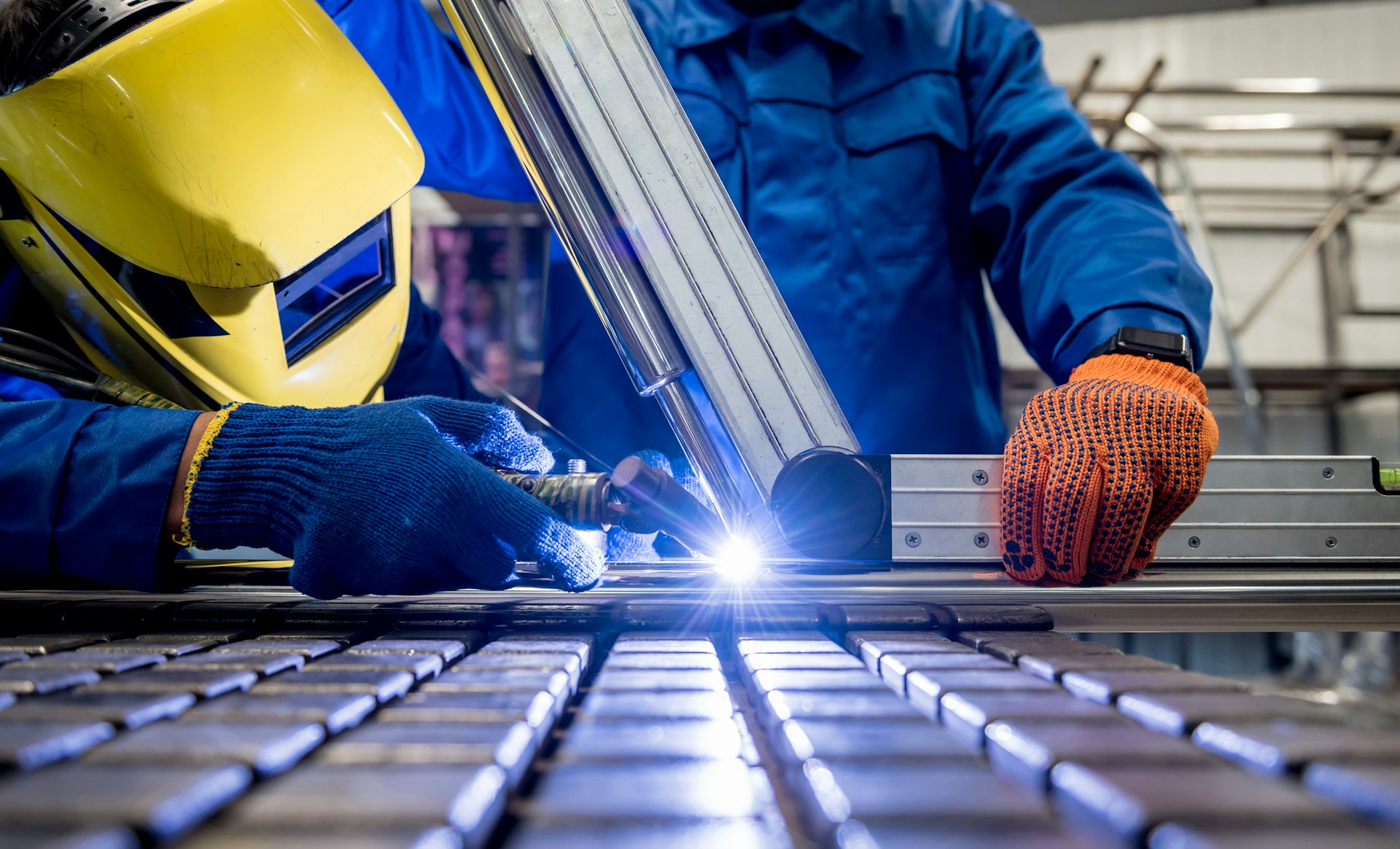
Custom metal fabrication and welding are useful tools here. Instead of stacking generic brackets and makeshift supports, purpose-made frames, transitions, and stands can be built to match existing equipment and available space. This helps avoid awkward platforms and add-ons that tend to catch dust, product, and packing materials.
Because PMC LTD. also designs and installs custom packaging machinery and integrated packaging lines, the end-of-line area can be treated as a single hygienic system. Product, cases, dunnage, and pallets can each have a clear, separated path, making it easier to keep clean and meet quality and safety goals.
Get Started With Your Project Today
If you are ready to improve throughput and reliability on your line, our team can design and install tailored product conveyor systems in Toronto that fit your specific production goals. At PMC LTD., we work closely with you to understand your process, space, and budget before recommending any solution. Reach out to contact us so we can review your requirements and help you plan a conveyor system that supports long-term growth.