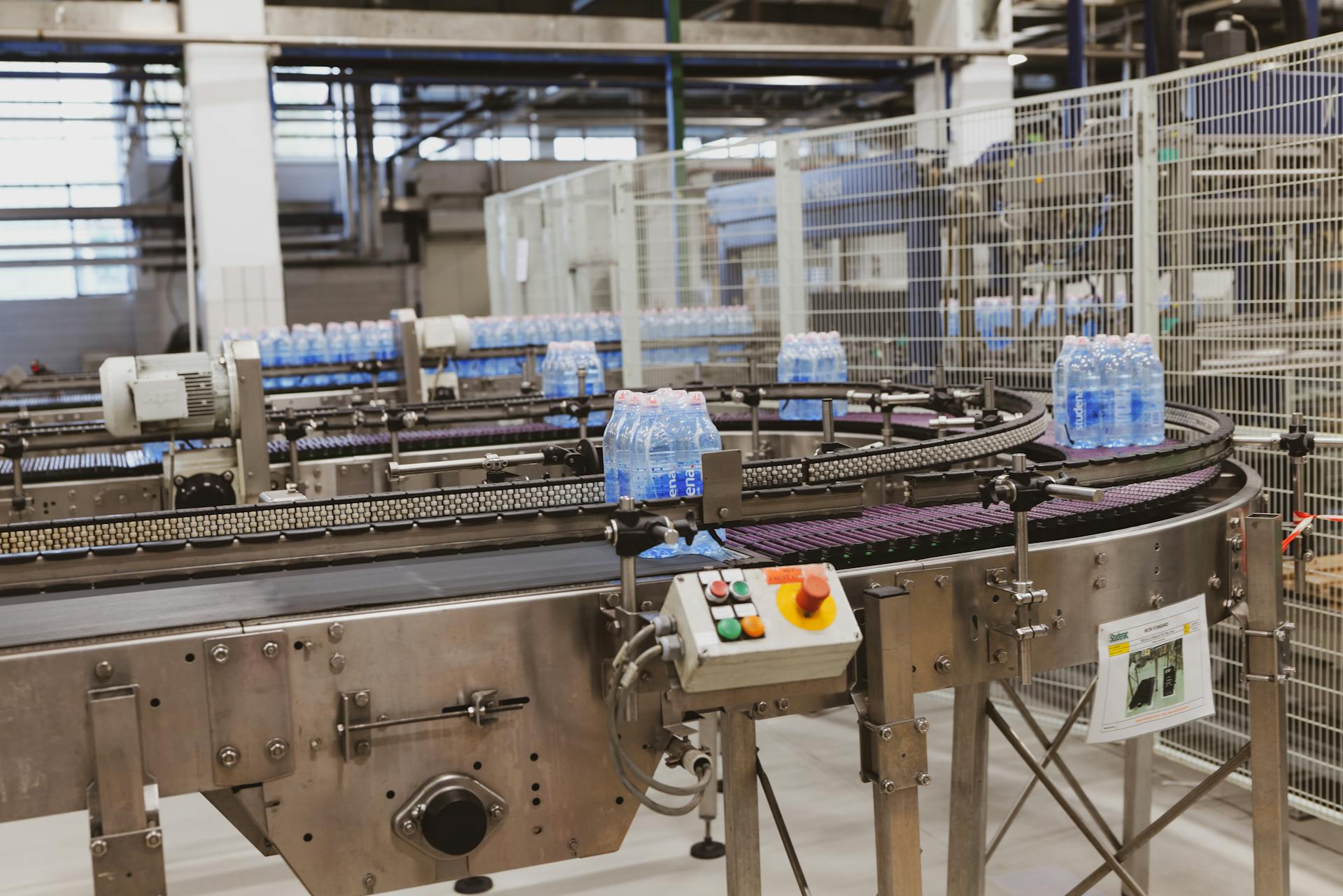
Evaluating Automated Packaging Systems in Toronto Plants
Why Toronto Plants Are Rethinking Packaging Lines
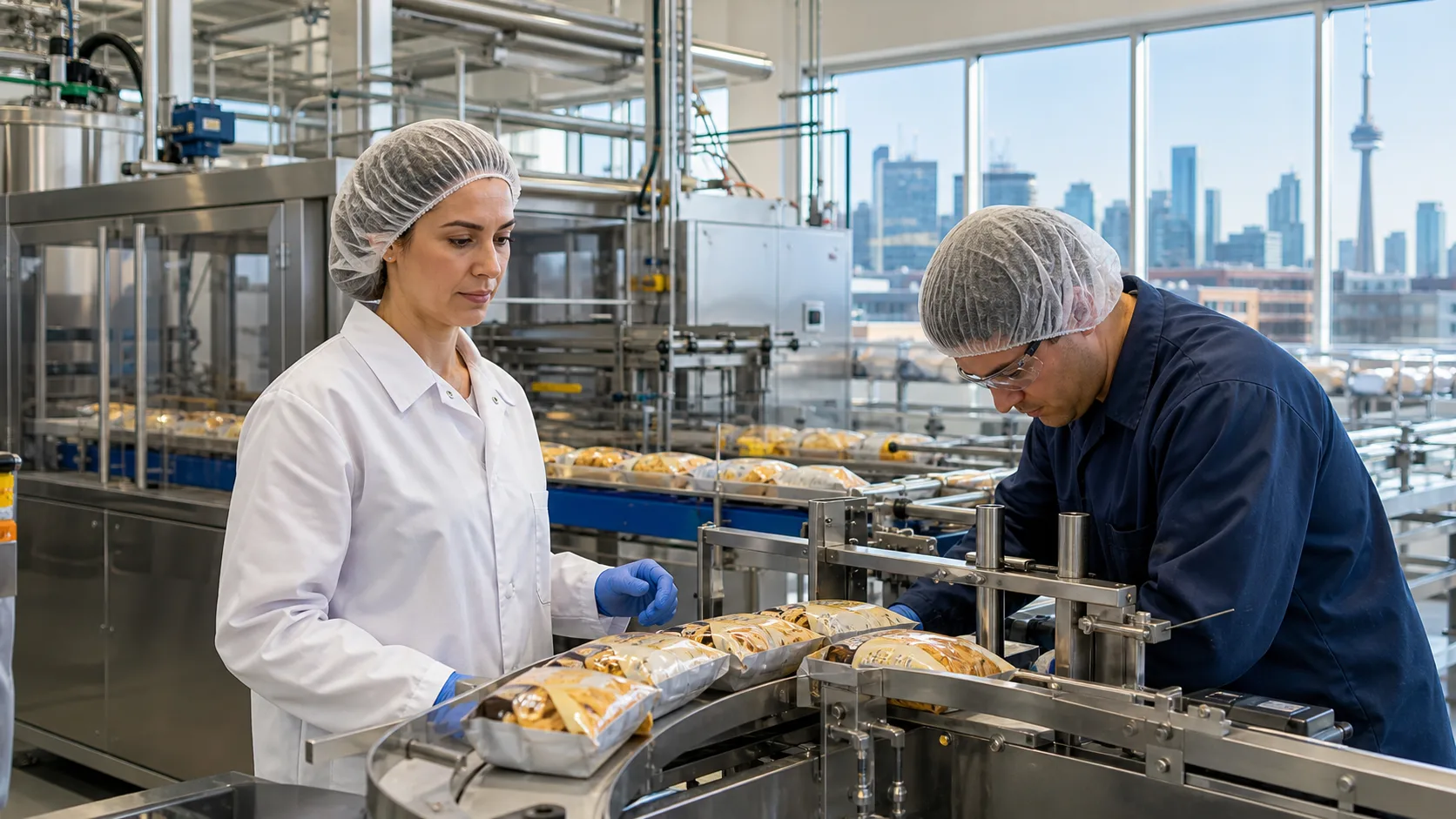
Packaging lines across the Greater Toronto Area are under real pressure. Labour is harder to schedule, space is tight, and customers expect faster, more accurate shipments than ever. Many plants are now looking at automated packaging systems in Toronto not as a nice upgrade, but as a practical way to keep orders moving.
When staffing is unpredictable, every missed shift or new temp worker adds risk. Automated case packing, palletizing, and material handling can steady the line, support your team, and reduce safety issues from repetitive tasks. With a clear, structured evaluation, plants can improve throughput, cut waste, and keep up with just-in-time delivery expectations across Toronto and Southern Ontario.
Key Triggers to Consider Automated Packaging Systems in Toronto
Most plants do not wake up one day and decide to automate. There are usually clear pain points that show up first:
- Regular overtime just to hit daily targets
- Heavy reliance on temporary labour to staff end-of-line tasks
- Manual changeovers that eat into production time
- Inconsistent packing that affects shipments across the GTA
On top of that, there are outside pressures. Large retailers want tight delivery windows and clean, damage-free pallets. Many customers expect more sustainable packaging practices, like less film waste and smarter use of corrugate. Ontario’s wage and energy conditions also push manufacturers to get more output from the same footprint.
Seasonal swings are another big trigger. Spring and summer ramps, pre-holiday peaks, or promotional runs can stretch manual lines to the limit. When every busy season feels like a scramble, automated packaging systems in Toronto plants start to make strong business sense.
Assessing Your Current Packaging Line Performance
Before changing equipment, it pays to understand what your line is actually doing right now. A simple benchmark can highlight where automation will help the most. Key things to measure include:
Throughput by SKU or product family
- Unplanned downtime and short stops
- Rework and repack rates
- Operator touchpoints per case, tray, or pallet
Many Toronto facilities work in older buildings with tight corners and low ceilings. There might be aging conveyors, mixed generations of machines, and manual steps added over the years. All of this can make small upgrades tricky, especially when there is no spare floor space.
A structured site audit is a good way to cut through that complexity. That usually means mapping how product moves from case erecting through packing, sealing, checkweighing, stretch wrapping, and palletizing. Along the way, this includes:
- Safety risks and near-miss areas
- Ergonomic issues like heavy lifting or awkward reaches
- Bottlenecks where product backs up or operators wait for equipment
This kind of review gives a clear, visual picture of the line, and sets the stage for smart automation choices.
Choosing the Right Automation Level for Your Plant
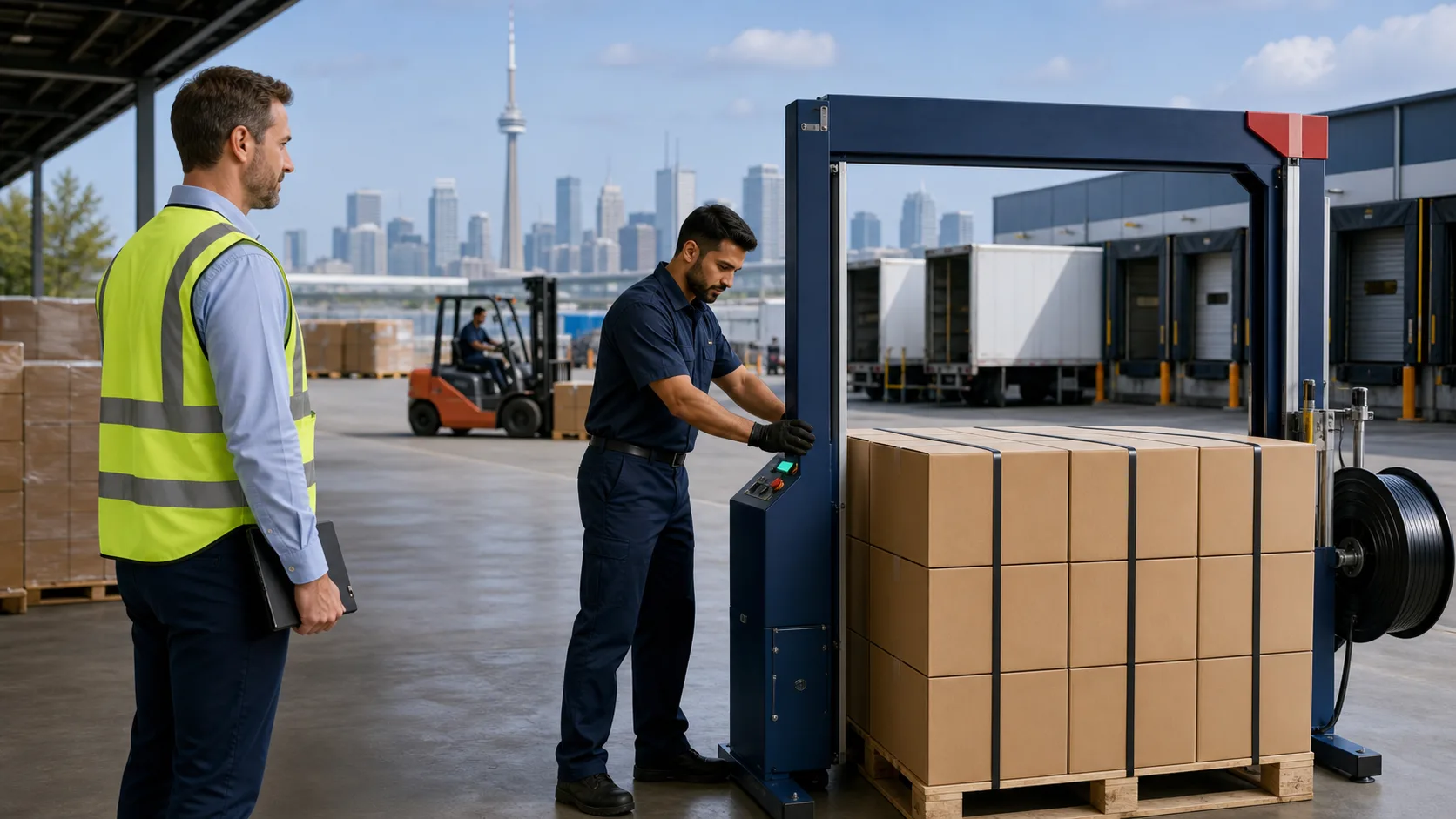
Not every plant needs a fully automated end-of-line system on day one. Some just need a palletizer or a stretch wrapper to relieve the heaviest work. Others benefit more from case packers or automated material handling that bring product to and from the line.
It often helps to think in stages:
- Partial automation, such as adding a case erector, case sealer, or palletizer
- Cell-based automation, combining a few machines into one integrated work area
- Full line automation, tying together case forming, packing, sealing, labelling, wrapping, and palletizing
In Toronto, product mix and SKU volatility are big factors. Short runs, frequent changeovers, private label products, and multi-shift operations are common, especially in food, beverage, and consumer goods. Automation needs to match that reality, with:
- Quick, tool-less changeovers
- Controls that can handle many recipes and pack patterns
- Layouts that fit into tight spaces and still meet safety standards
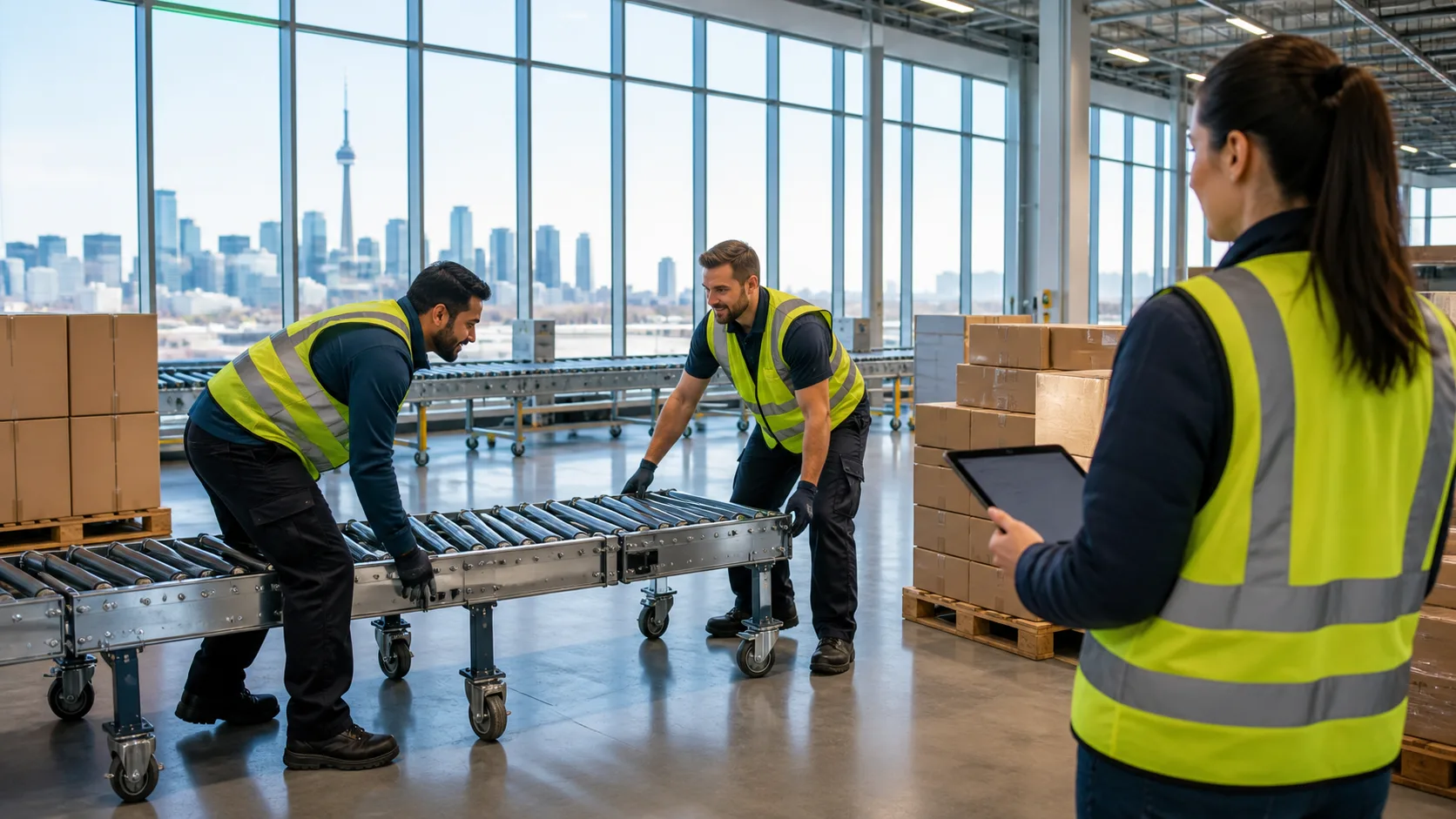
Modular, custom packaging machinery can grow over time. You might start with one automated island, then link equipment and controls as volumes rise or new products are added.
Building a Strong Business Case for Toronto Stakeholders
To move an automation project forward, you need more than a good idea. You need a business case that speaks to operations, finance, and health and safety teams.
Typical ROI factors include:
- Labour savings and reduced overtime
- Less product damage and fewer rework hours
- Higher and more consistent throughput
- Avoided capital from not needing a building expansion
It also helps to reflect how your company plans budget approvals. Some Toronto manufacturers prefer phased projects that can start small, prove value, and then expand. Others look for line-wide improvements that fit into a planned shutdown or new product launch.
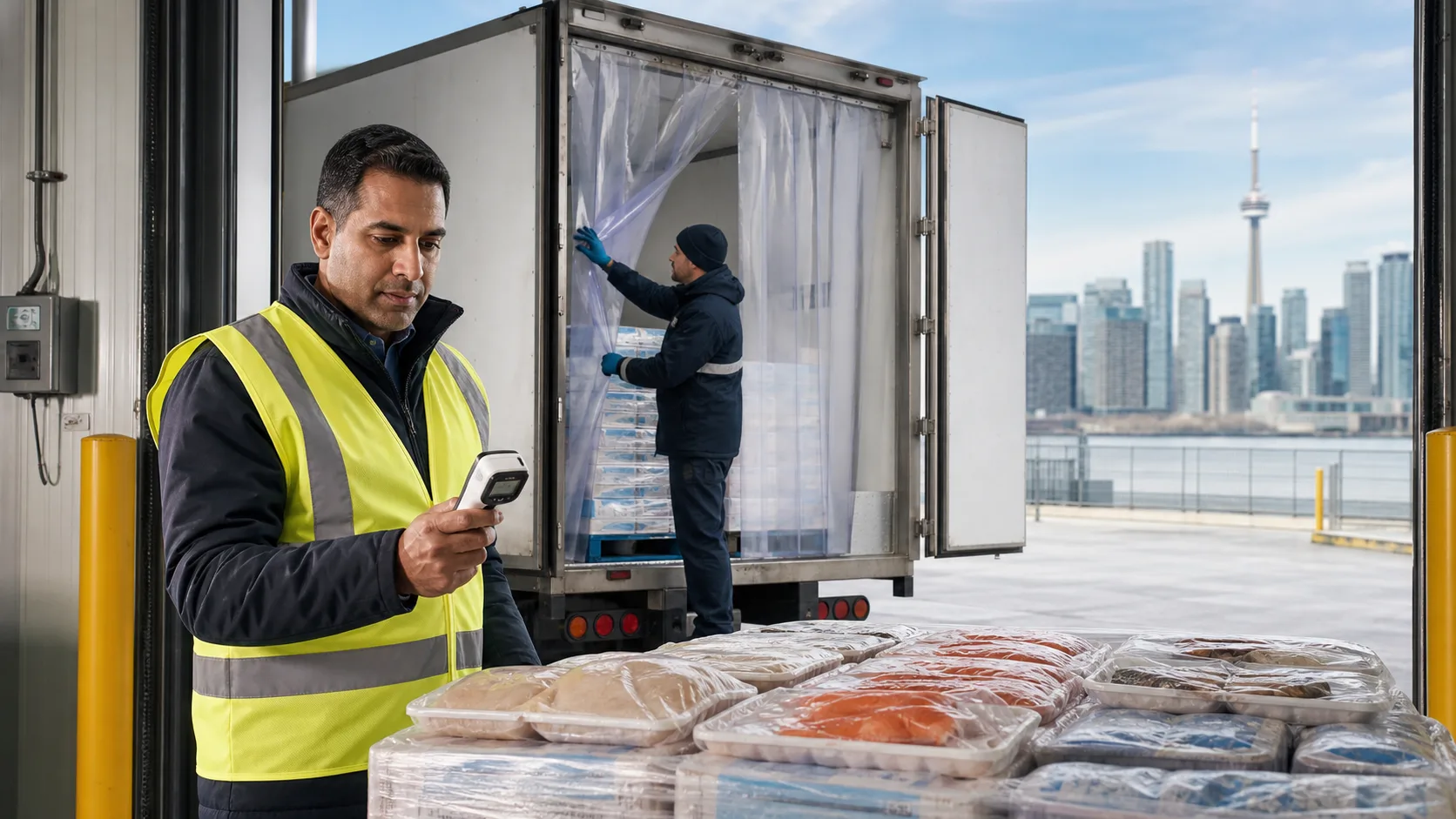
Risk reduction is a big part of the story. Stakeholders will ask about equipment reliability, controls integration, and the support they can count on. Local service, access to spare parts within Southern Ontario, and fast response times make a real difference when a line stops unexpectedly.
Implementation Best Practices for GTA Packaging Automation
Once the decision is made, timing and planning become everything. Most Toronto plants cannot afford long downtime, especially around seasonal peaks.
A practical implementation plan usually includes:
- Clear design and layout work that fits existing floors and mezzanines
- Installation windows that line up with slower production periods
- Commissioning that allows for testing with real product and packaging
Phased rollouts often work best. You might start with one line or one section of the line as a pilot. That way, operators can learn the new equipment, leadership can see the impact, and any adjustments can be made before scaling across the plant.
To keep systems running at target performance, plants also need:
- Preventive maintenance plans that fit shift patterns
- Training so operators can handle changeovers and basic troubleshooting
- Ongoing support and continuous improvement reviews to refine settings and flows
Over time, this kind of structured approach turns automation from a one-time project into part of how the plant operates.
Next Steps to Modernize Your Toronto Packaging Line
For most plants, the best starting point is simple: a focused look at the current line with someone who works in packaging automation every day. A walk-through, combined with a few weeks of performance data, can quickly highlight the SKUs, shifts, or manual tasks that are holding you back.
From there, you can outline a short list of automation opportunities with the fastest payback, whether that is a palletizing cell, an updated case packing section, or new material handling to relieve congestion. As a local partner based in the GTA, PMC Ltd. designs, supplies, and installs end-of-line packaging automation, custom packaging machinery, and material handling solutions tailored to Toronto manufacturing plants that want safer, more reliable, and more efficient packaging lines.
Get Started With Your Project Today
If you are ready to improve throughput, reduce errors, and create more consistent packaging results, our team can help you plan and implement the right solution. Explore how our automated packaging systems in Toronto can be tailored to your products, space, and budget. We will work with you to assess your current line, identify bottlenecks, and design a clear roadmap to automation. To discuss your project or request a consultation, please contact us at PMC LTD.