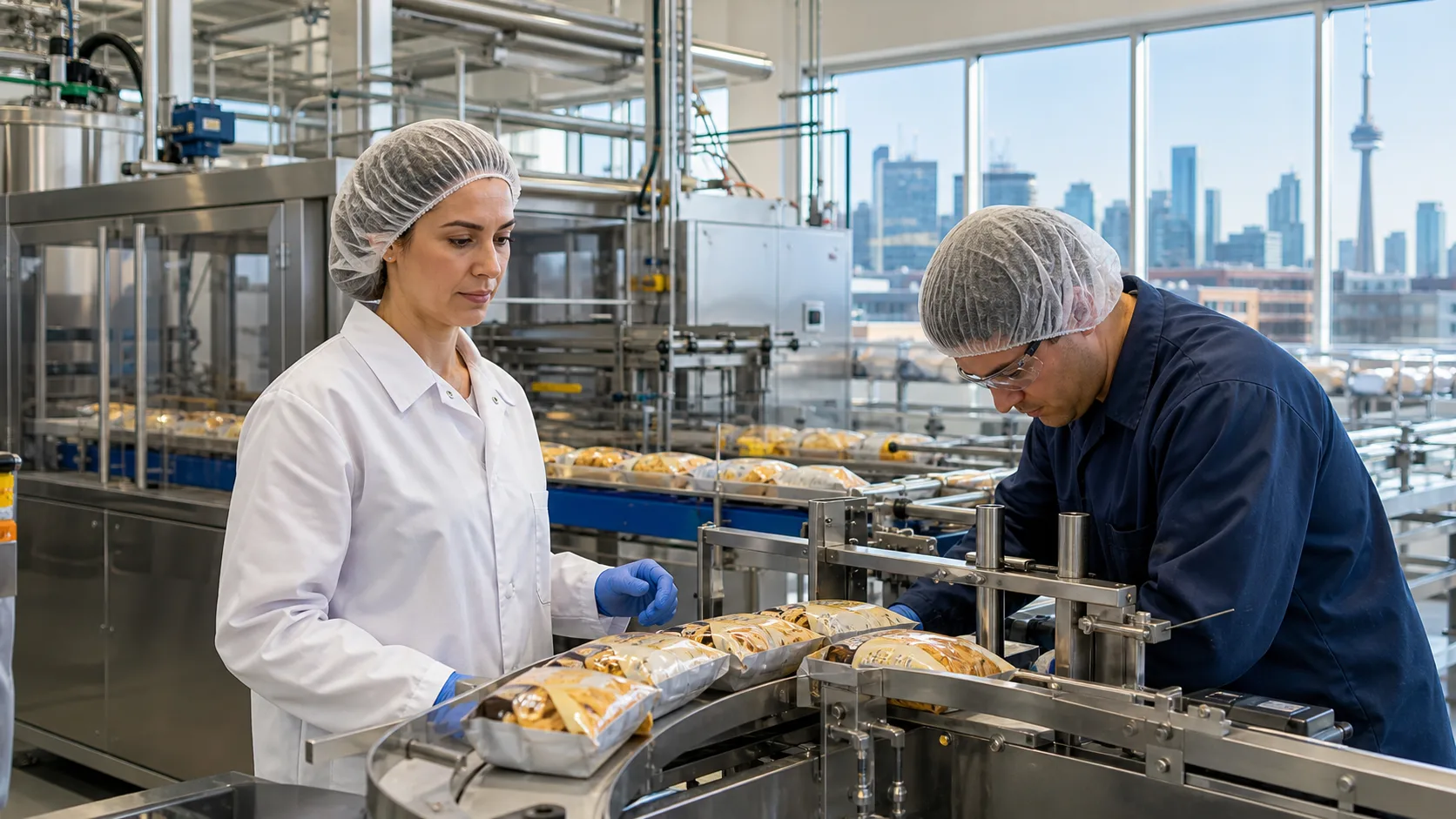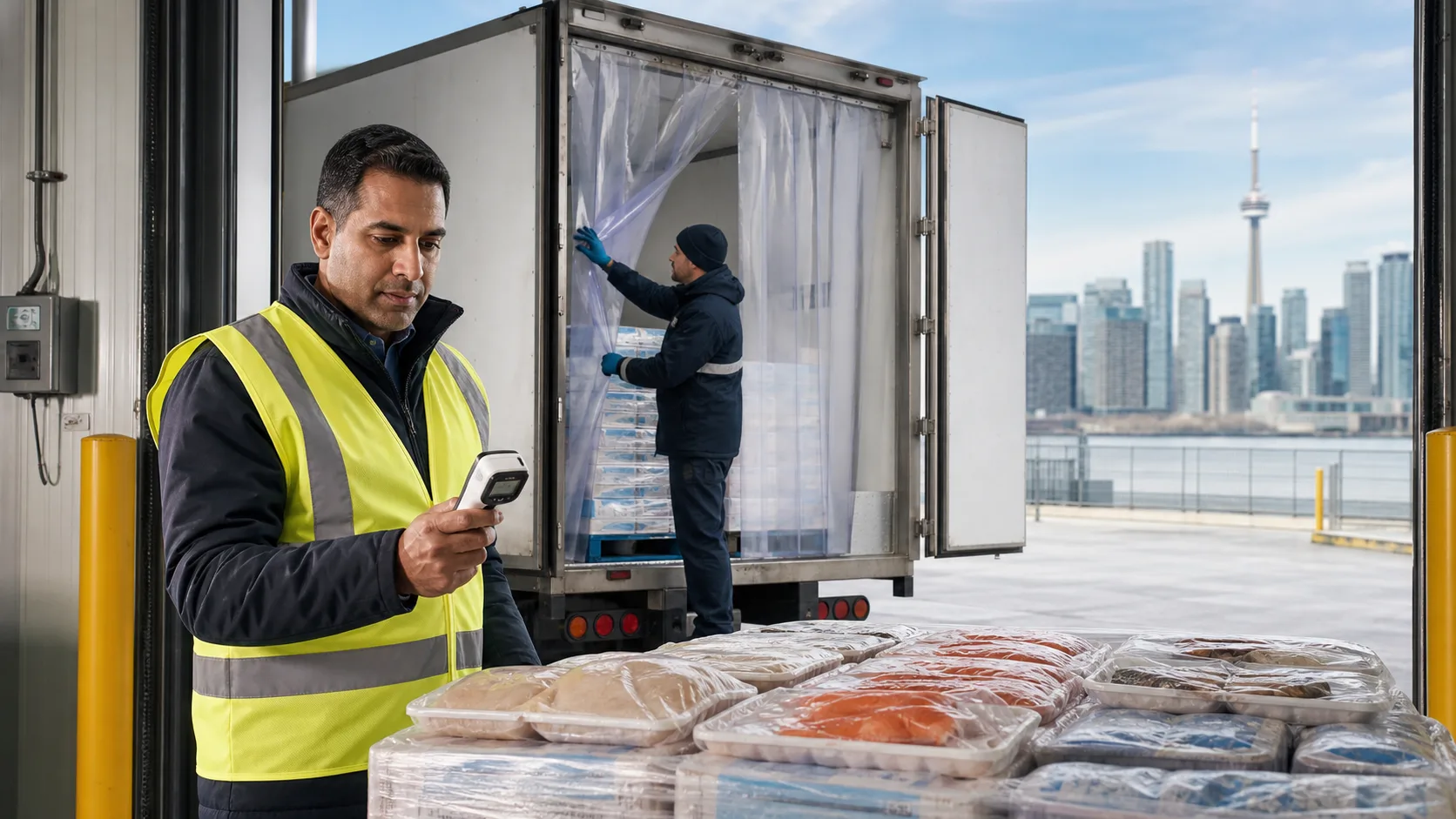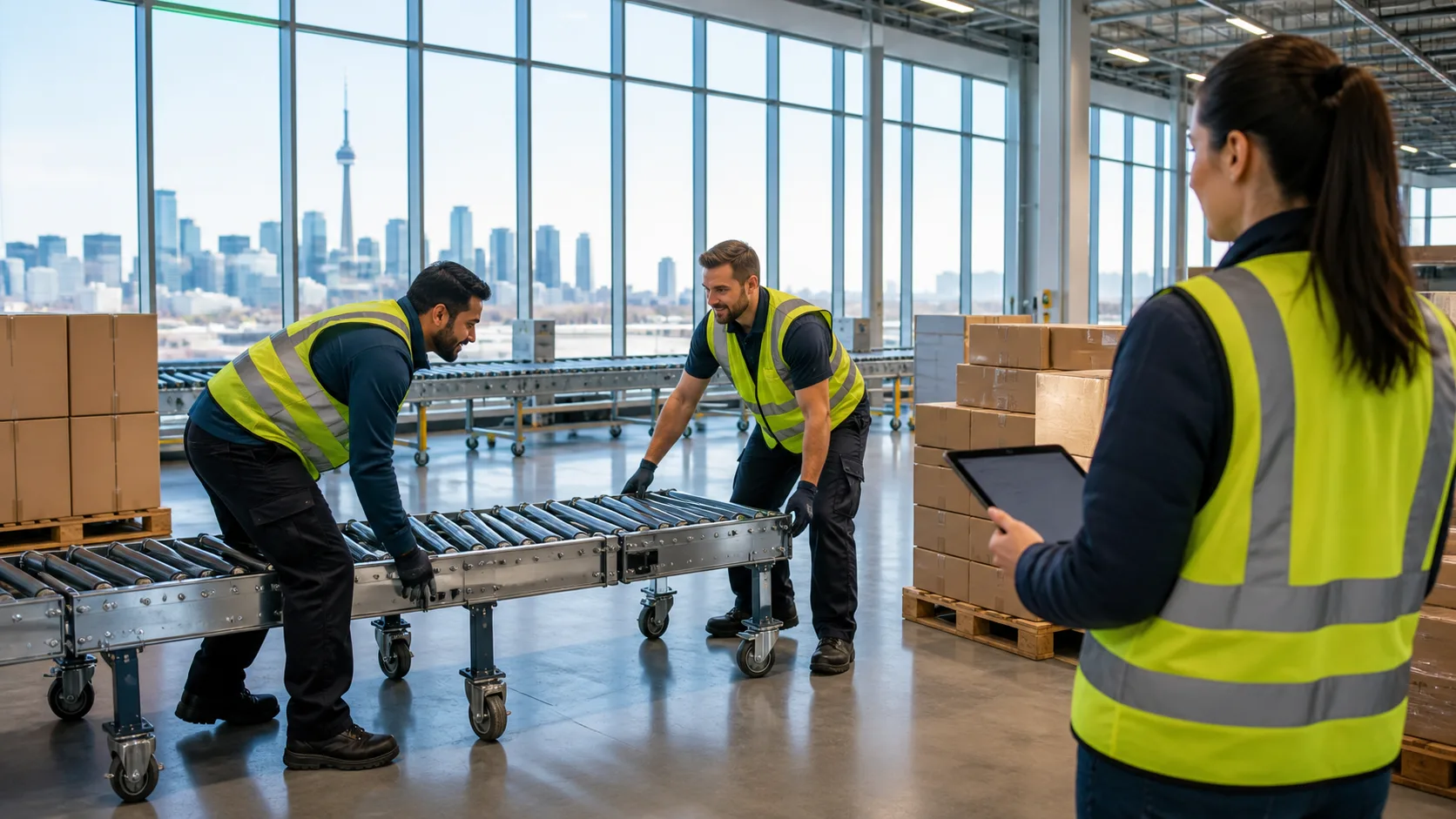
Questioning Your Packaging Line Layout in Toronto
Rethinking Your Packaging Line for Toronto’s Next Quarter
A packaging line that felt fine last year can start to struggle as product mix, volumes, and customer demands change. When orders pick up across the Greater Toronto Area, small layout issues that were easy to ignore suddenly slow everything down.
In this article, we look at packaging line plant layout and design in Toronto as a business decision, not just an engineering drawing. We will walk through where hidden costs show up on the floor, which layout choices have the biggest impact on throughput and safety, how local trends are shaping line design, and when it makes sense to bring in outside help before your next busy stretch.
Signs Your Packaging Line Layout Is Costing You
Most plants do not wake up one day with a broken line. Problems creep in over time as new products, new machines, and new people are added into an old layout.
Common signs that your layout is holding you back include:
- Bottlenecks piling up at case packers, palletizers, or stretch wrappers
- Operators waiting on upstream or downstream equipment instead of running steadily
- Long, messy changeovers that seem to get worse with every new SKU
- Forklifts and hand trucks cutting through operator areas just to keep up
In Ontario, where operating costs are higher, these issues hit harder. A layout that forces:
- Frequent overtime to clear late orders
- Temporary labour to keep up with summer or promotional spikes
- Extra compressed air, power, and heat because equipment runs longer than it should
- Reactive maintenance because machines are hard to reach or shut down safely
will slowly drain profit from every case that leaves your dock.
Many Toronto facilities have added packaging equipment piece by piece. A new case sealer here, a standalone labeler there, maybe a palletizer squeezed into a corner. That kind of growth is normal, but it can twist what was once a clean line into a maze that no longer fits today’s:
- Shorter production runs
- Stricter retailer requirements
- Higher quality expectations at the end of the line
If operators are walking laps between packing, labelling, and palletizing, or if pallets sit waiting for a free stretch wrapper, your layout is costing you more than you think.
Key Layout Decisions That Impact Throughput and Safety
Layout is not just where you place machines. It is how people, products, pallets, and packaging all move together.
One of the first choices is the overall flow:
- Straight-through layouts can work well for long, steady runs and simple product families
- U-shaped or L-shaped layouts can shorten walking distances and bring inbound materials closer to outbound pallets
- Parallel lines feeding shared equipment can help balance work across shifts
Line balancing is just as important. If your case packer can handle much more than your sealer or labeler, you end up with product stacking up or operators constantly starting and stopping machines. Thoughtful placement and conveyor design help your slowest point set the pace without choking the rest of the line.
Safety and compliance have to be built into the layout too. We often see:
- Clear, marked egress routes that are not blocked by conveyors or WIP
- Proper guarding around pinch points and moving parts
- Ergonomic work heights and reach zones so operators are not lifting and twisting all day
- Controlled forklift paths that avoid tight corners and operator work cells
When packaging areas are cramped, forklifts and pedestrians mix more, which raises the risk of incidents. A better layout can reduce congestion by separating traffic, tightening travel paths, and placing pallets where they can be picked up without cutting across the line.
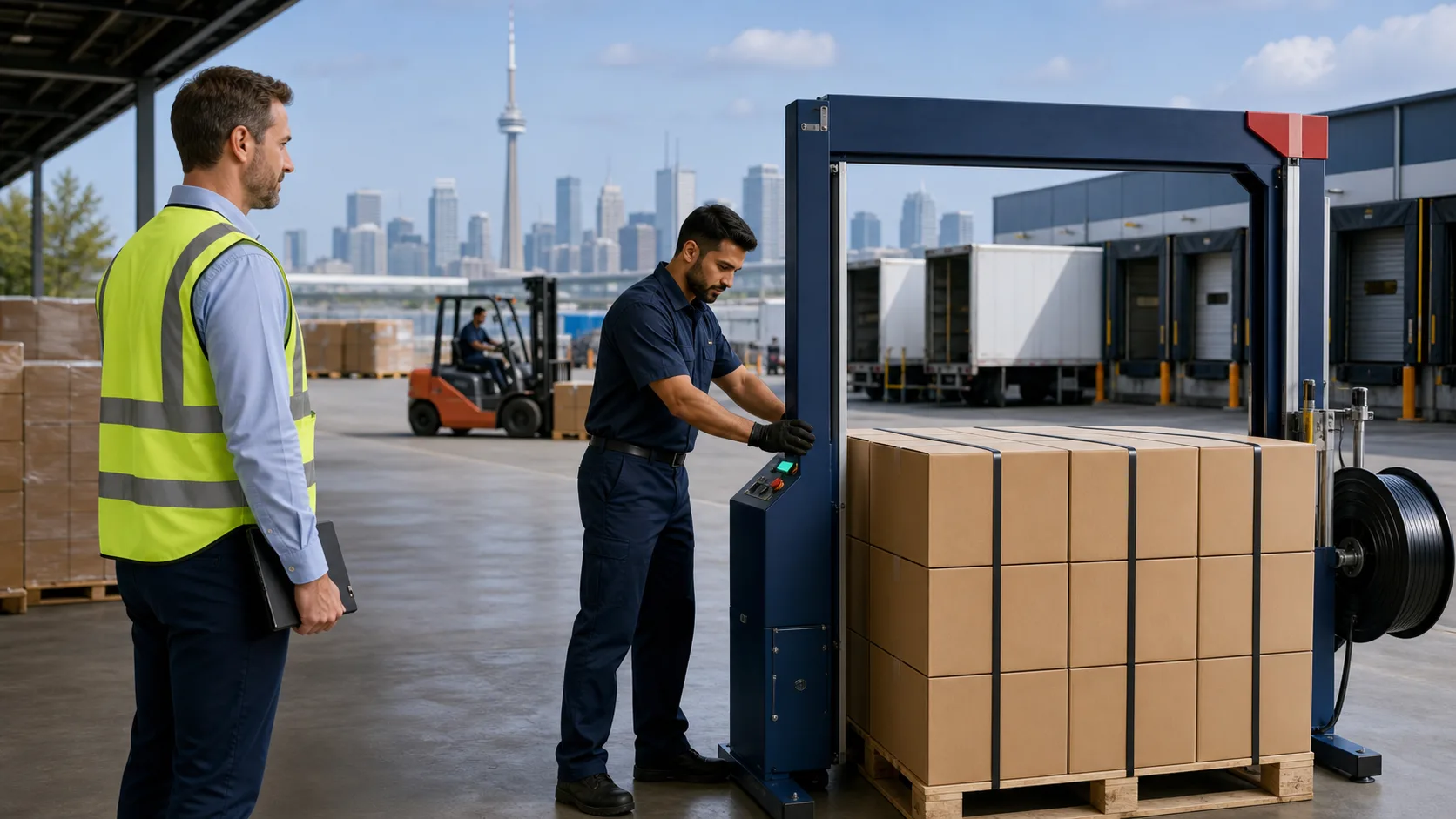
Just as important is how all the end-of-line pieces connect. Case erecting, case packing, sealing, labelling, palletizing, and stretch wrapping should work as one flow, not separate islands. Good integration reduces:
- Unnecessary manual lifting or pushing between machines
- Crossovers where operators step over conveyors or walk the long way around
- Confusing panel and control locations that slow troubleshooting
When these decisions are right, operators can stay focused on running the line instead of fighting it.
How Packaging Line Plant Layout and Design in Toronto Is Evolving
Packaging line plant layout and design in Toronto is changing quickly because local pressures are changing. Many facilities are dealing with:
- Limited floor space, especially in older industrial buildings
- Rising labour costs and difficulty finding experienced operators
- A wider range of SKUs for retailers around the GTA and beyond
To keep up, more plants are moving toward higher levels of end-of-line automation. That might mean automated case packing and palletizing, smarter conveyors, and more integrated controls. But it also means layouts need to be flexible. Lines have to handle shorter runs, more changeovers, and mixed pallets without stopping for long resets.
We also see more use of production data when planning layouts. Simple metrics like:
- Average run length
- Changeover frequency
- Downtime by cause
- Travel distance for operators and forklifts
now guide where equipment is placed and how work is divided.
Sustainability and energy use are also influencing layout choices. Plants are looking to:
- Shorten conveyor runs so motors do not run longer than needed
- Place major equipment closer to utilities to reduce long pipe and cable runs
- Reduce rework and scrap at the end of the line with better access for quality checks
These are not just “green” goals, they also support lower operating costs and more reliable production.
When to Bring in Local Packaging Layout Expertise
There are clear moments when bringing in outside layout help pays off. Common triggers include:
- Facility expansions or relocations
- New product launches, seasonal items, or special promotions that strain the line
- Frequent unplanned downtime at the end of the line
- Recurring quality issues tied to packing, labelling, or pallet stability
A Toronto-based partner has a practical advantage. They know common building layouts across the GTA, local electrical and safety standards, and the kind of space and utility constraints that show up in area plants. That local knowledge can speed up everything from concept sketches to final installation.
A professional audit of your packaging line can uncover:
- Quick layout wins, like turning a machine, shortening a conveyor, or shifting a palletizer
- Guarding and safety updates that improve operator confidence
- Material flow changes, so cases, pallets, and people are not fighting for the same space
From there, you can plan phased upgrades such as new conveyors, controls integration, or custom machinery that fits your product range instead of forcing your products into a rigid layout.
Planning a Smarter Line Before Your Next Busy Season
The best time to rethink your layout is before your line is running flat out for the next busy quarter. A simple starting point is an internal walk-through at different times of day. Watch for:
- Where people wait
- Where product waits
- Where forklifts slow down or back up
- Where operators stretch, lift, or reach awkwardly
Pair these observations with a bit of data on downtime, changeover length, scrap, and rework. Together, they give a clear picture of where layout, not just equipment, is limiting performance.
From there, working with a local end-of-line automation specialist helps turn those notes into a practical roadmap. That roadmap can:
- Prioritise low disruption changes first
- Fit around your production schedule and maintenance windows
- Plan larger moves or custom machinery for natural breaks or expansions
By treating packaging line plant layout and design in Toronto as a strategic tool, you set up your operation to handle the next seasonal push with less stress on your people and more confidence in your throughput, safety, and long term growth. PMC Ltd is based in the GTA and focuses on designing, supplying, and installing end-of-line packaging automation systems, custom packaging machinery, and related metal fabrication and material handling solutions tailored to local industrial facilities.
Optimize Your Packaging Line For Real-World Performance
If you are ready to turn a concept into a practical, efficient layout, our team can help you plan and implement every stage of your project. Explore our dedicated service for packaging line plant layout and design in Toronto to see how PMC LTD. approaches throughput, safety, and future scalability. When you are prepared to move forward or have specific questions about your facility, simply contact us and we will work with you to define the next steps.