Toronto Food and Beverage Lines Need Smarter Case Sealing
Smarter Case Sealing for Toronto’s Busy Production Season
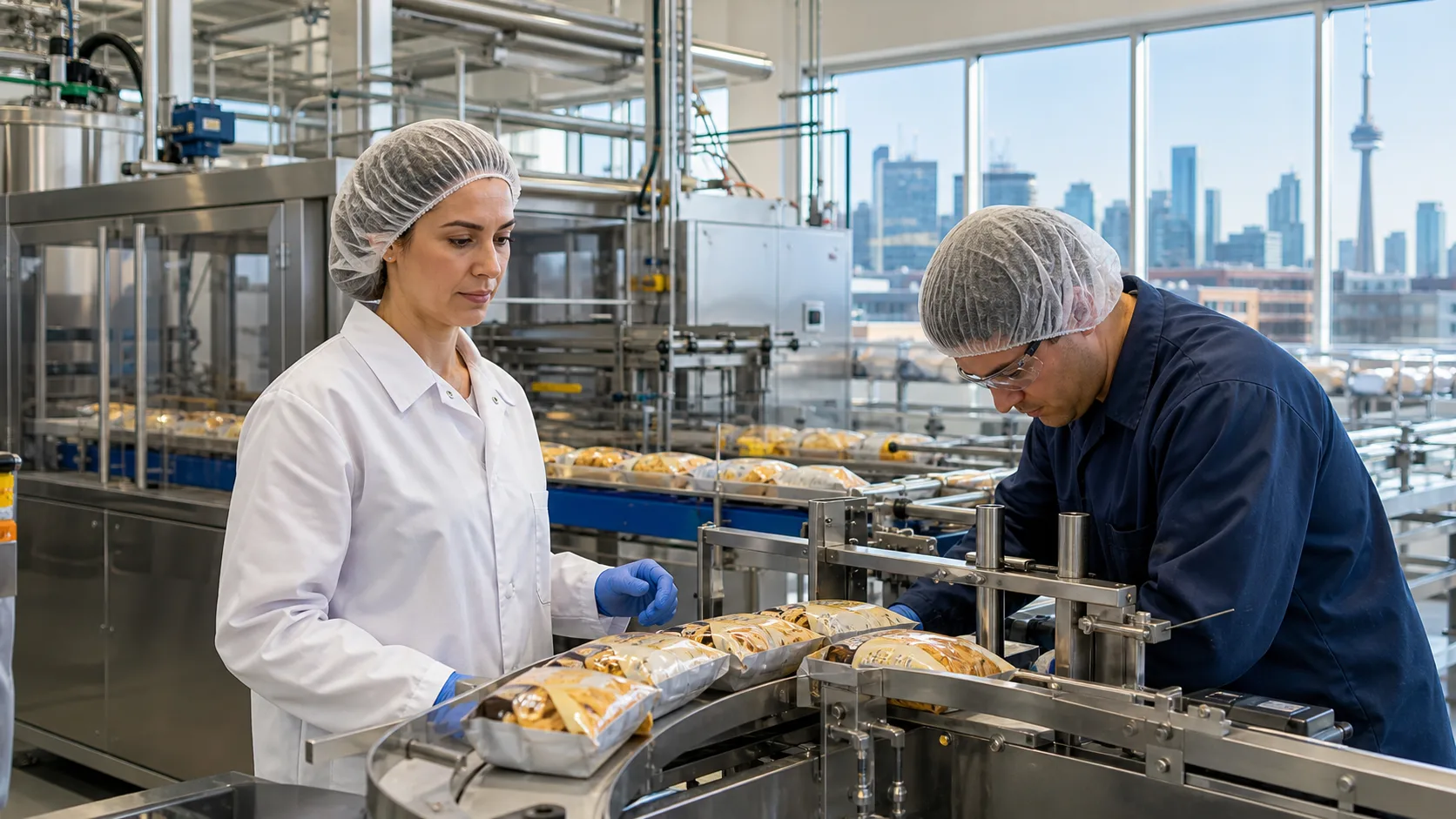
Food and beverage lines across Toronto work hard all year, but things really pick up as the weather warms. Beverages, ready-to-drink products, and seasonal foods start moving faster, and every weak spot on the line suddenly shows. One of the biggest trouble spots is often the case sealer at the end of the line.
When case sealing is slow or unreliable, cases back up, pallets fall behind, and staff end up scrambling. Manual taping, older sealers, or machines that were never properly integrated can turn a smooth line into a stop-and-start headache. A smarter approach to case sealing helps keep product moving, protects your packaging, and supports better ROI on everything upstream.
At PMC LTD., we focus on end-of-line packaging machinery and custom material handling for plants in the Greater Toronto Area. We combine catalogue case sealing machines with custom-built systems and supports so food and beverage producers can run safer, faster, and with fewer surprises during peak demand.
Why Case Sealing Is Costing Toronto Plants More Than They Think
Case sealing often looks simple from the outside, but small problems at this point on the line add up fast. When flaps do not fold correctly or tape and glue are inconsistent, you see:
- Misaligned or open flaps that catch on conveyors
- Tape tails and missed seams that need rework
- Rejected pallets at distributors because of poor case quality
- More damage in transit from weak seals or crushed corners
Every time a case has to be reworked, someone has to stop what they are doing, fix it, and get it back into the flow. That slows the line, raises labour pressure, and increases the chance of mistakes.
Toronto plants already feel the squeeze of a tight industrial job market, especially when production ramps up. Manual case sealing only adds to that pressure. Staff spend long shifts lifting, folding, and taping cases, which is tiring and brings ergonomic risk. It can be hard enough just to keep positions filled, never mind keeping people in repetitive roles.
Small improvements around the case sealer can release a lot of that strain. When the sealer is fast, consistent, and integrated with upstream equipment, you get:
- Higher and more stable throughput
- Fewer surprises in scheduling and overtime
- Better use of filling, cartoning, and packing capacity
Instead of the case sealer acting as the weak link, it becomes a reliable handoff between production and warehousing.
Choosing the Right Case Sealing Machines in Toronto
Choosing case sealing machines in Toronto is not only about buying a bigger or faster unit. It is about matching equipment to how your plant actually runs. Key things to think about include:
- Production speed per line and per shift
- How often you change SKUs for different retailers
- Case sizes and weight ranges
- Type of cartons and board quality
- Tape, glue, or special sealing requirements
Manual sealing, where people tape every case by hand, might work for very low volumes, trial runs, or backup lines. For most food and beverage plants, that quickly becomes a bottleneck and a staffing problem.
Semi-automatic case sealers can be a good fit when:
- Volumes are growing but not yet at very high speeds
- Case sizes change fairly often
- You want to reduce manual taping but still need some operator handling
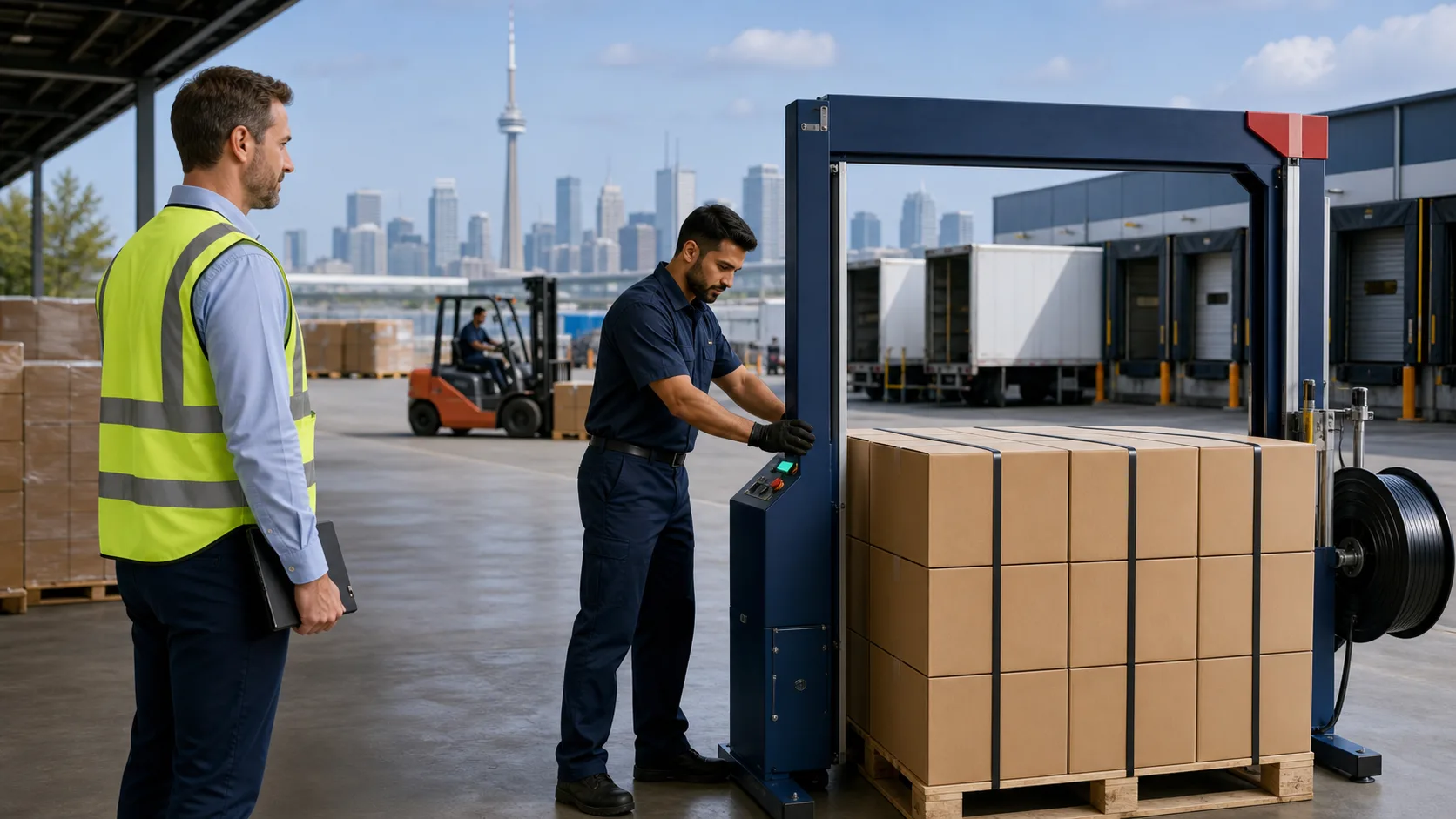
Fully automatic case sealers are usually better for established lines with steady or high output. Operators focus on changeovers, checks, and minor adjustments instead of taping. This supports more predictable performance across long shifts.
Working with a local integrator who understands expectations around food packaging, CFIA rules, and retailer requirements in Ontario makes a big difference. It is not just about supplying a machine; it is about choosing the right mix of equipment, guarding, controls, and supports so the whole system works together.
Smart Integration of Case Sealers Into Your Packaging Line
A case sealer that runs well on its own can still cause trouble if it is not integrated into the rest of the line. At PMC LTD., we look at the entire end-of-line area, which often includes:
- Case erectors and pack stations
- Conveyors and accumulation zones
- Labellers and printers
- Checkweighers and inspection points
- Palletizing and stretch wrapping
Good integration is about how information and product move together. Sensor placement, infeed and outfeed conveyor design, and accumulation all affect how stable your throughput will be when demand peaks.
For example, properly set accumulation between the case packer and case sealer gives room to absorb short stops without creating a pileup. Clear signals between machines let the line slow or pause in a controlled way, instead of tripping faults and alarms.
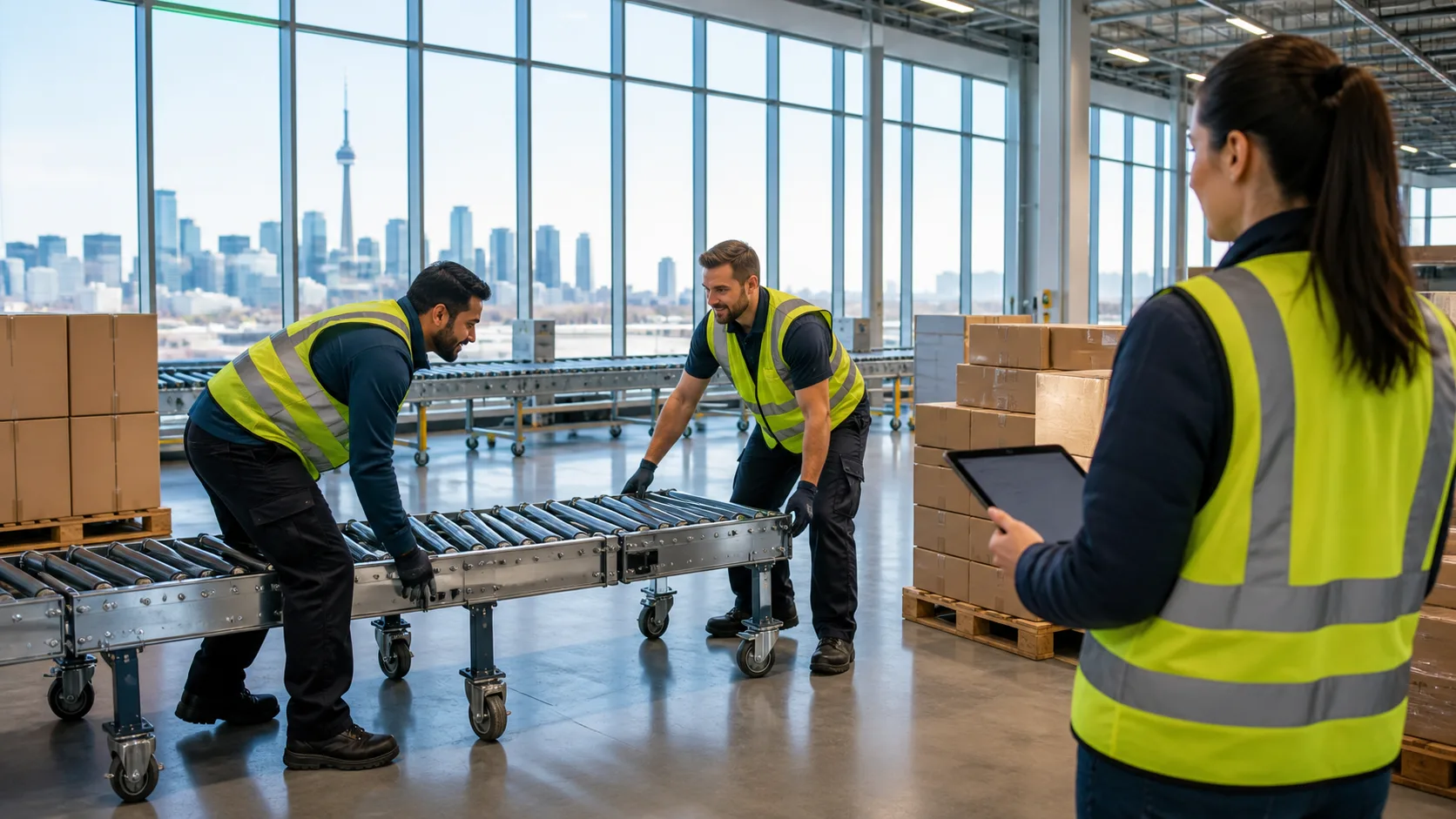
Many Toronto plants deal with tight floorplans, support columns, low ceilings, or multi-level layouts. Custom material handling and in-house metal fabrication let us build stands, platforms, transfers, and guards that work around these limits. That can include:
- Compact conveyor layouts for narrow aisles
- Special supports for multi-level or mezzanine lines
- Materials and finishes suited to washdown or humid environments
- Guarding and walkways that keep people and traffic moving safely
The result is not just a new case sealer, but a cleaner, safer end-of-line flow that matches your building and your product mix.
Boosting Food Safety, Quality, and Compliance at the Case Sealer
Case sealing has a direct link to food safety and product quality. When cases seal properly, they help:
- Protect primary packaging from knocks and punctures
- Keep dirt, dust, and moisture away from products
- Support consistent stacking that reduces crushing risk
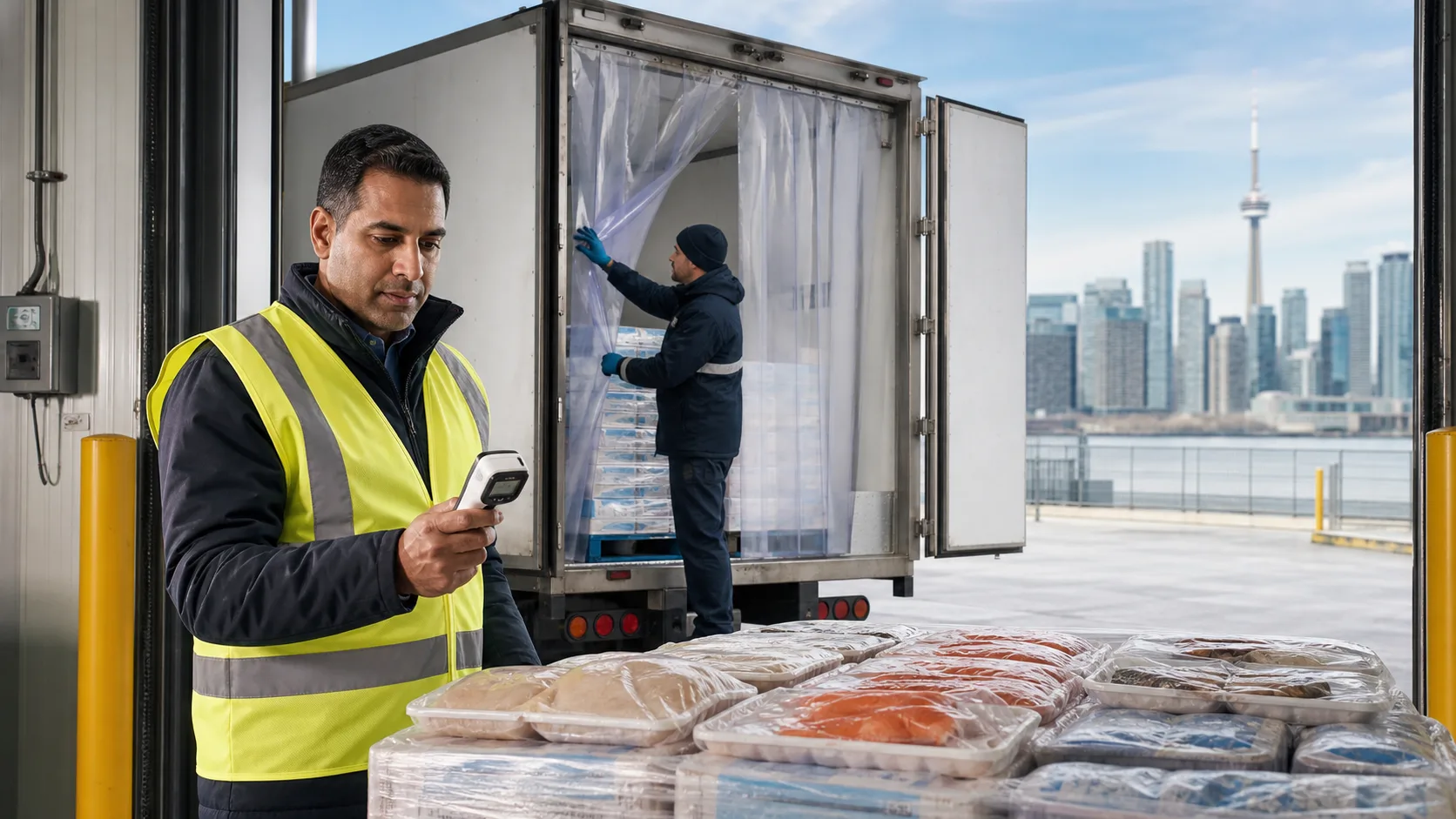
- Maintain conditions that support cold chain reliability
Consistent sealing also supports traceability and labelling. Cases that present the right panel to your labeller, and move past sensors at a steady pace, help reduce label errors and missed codes. Automated systems lower the chance of human error when things are moving quickly, which is common on busy Toronto beverage and food lines.
Hygienic design and easy cleaning around the case sealer area also matter. Equipment that is open enough to inspect, with surfaces that are straightforward to clean and safe access for maintenance, supports your food safety programs. At PMC LTD., we select and fabricate equipment with these needs in mind, so the area around your case sealer stays tidy, safe, and ready for audits.
Maximizing ROI with Service, Retrofits, and Seasonal Readiness
A case sealer is not a set-and-forget machine. Without simple, regular care, even good equipment can start causing unexpected stops. Planned maintenance, timely spare parts, and basic operator training help:
- Reduce mid-season breakdowns
- Keep seals consistent as tape or glue conditions change
- Extend the life of your machines
- Maintain safety around moving parts and guarding
Many plants do not need a full new line; they need the right retrofit. Common upgrade paths include:
- Adding automation to a mostly manual end-of-line area
- Improving guarding and safety devices around existing sealers
- Updating controls for better communication between machines
- Reconfiguring conveyors ahead of busy seasons to smooth product flow
Simple performance tracking goes a long way as well. Watching things like uptime, reject rates at the sealer, tape usage, and rework counts can make the payback on smarter case sealing very clear. These numbers help Toronto plant managers explain why an upgrade or retrofit is worth the effort and how it supports better ROI across the line.
When food and beverage lines around Toronto are getting ready for their next demand peak, an honest look at the case sealing area can reveal quick wins. At PMC LTD., we focus on end-of-line packaging machinery, custom material handling, and metal fabrication for industrial plants in the Greater Toronto Area, so we understand the local pressures and expectations that shape your decisions.
Get Started With Your Project Today
If you are ready to improve throughput and consistency on your packaging line, our team at PMC LTD. can help you select and integrate the right case sealing machines in Toronto for your operation. We work with you to understand your products, volume targets and budget so your solution fits from day one. To discuss timelines, specifications or next steps, please contact us and we will respond promptly with tailored recommendations.