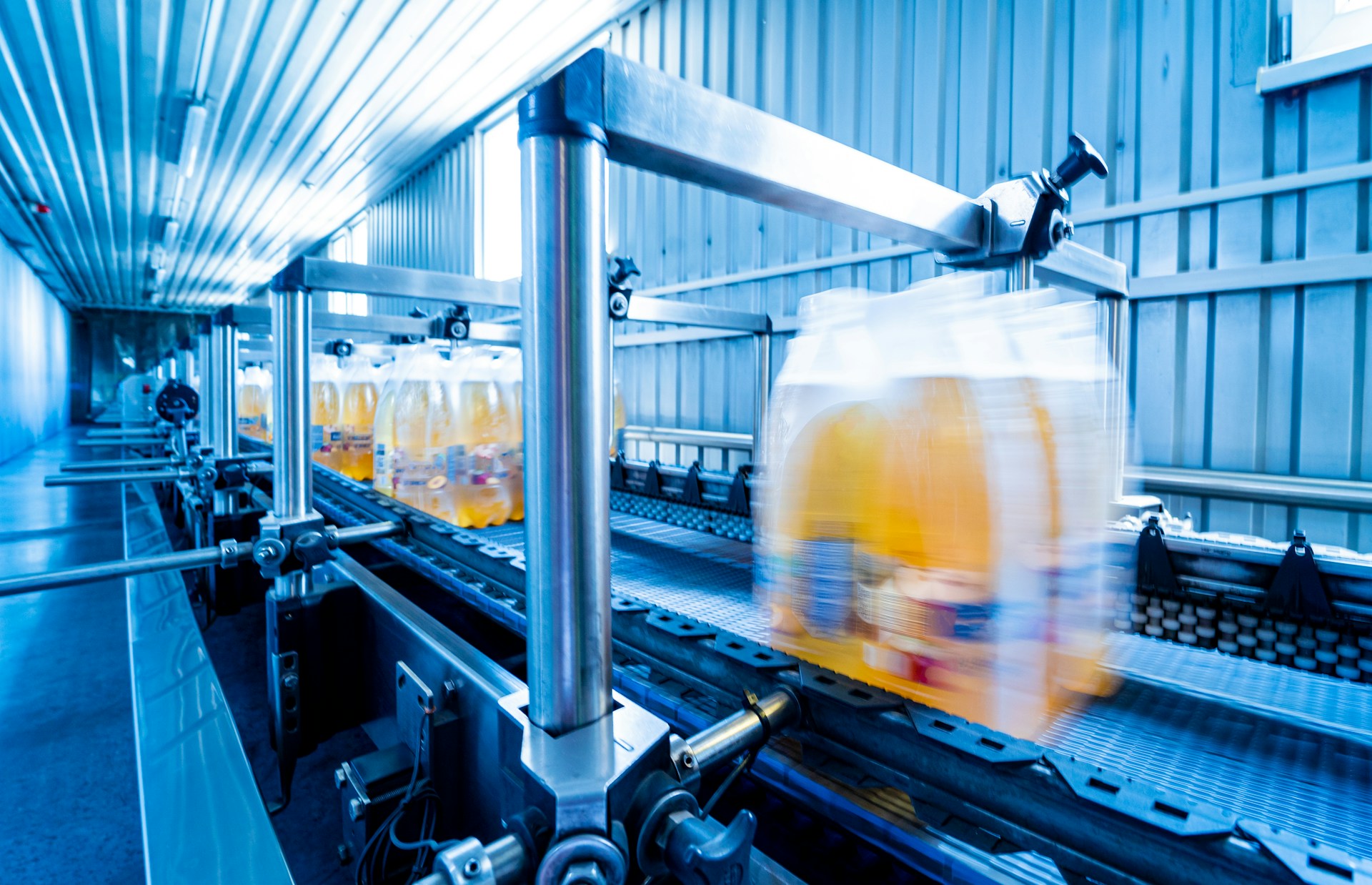
Phased Packaging Machinery Upgrades in Toronto Plants Without Downtime
Planning a Phased Packaging Upgrade Without Stopping Production
Upgrading end-of-line equipment while your Toronto plant is running is not easy, but it is possible with the right plan. Many facilities are working with aging case packers, palletizers, and conveyors while trying to meet tight service levels and growing orders across the GTA and Ontario.
Stopping the line for weeks is usually not an option. Unplanned downtime, labour shortages, and higher demand all make long shutdowns risky. That is why more plants are choosing phased, retrofit-first upgrades that keep production going while legacy machinery is slowly modernized. In this article, we will walk through how that works and how a local partner can support you at each step.
Knowing When Legacy Equipment Is Holding You Back
Old equipment does not usually fail in one big event. It starts to drag your performance down in small but painful ways. Some common signs include:
- More minor stoppages and jam clears
- Spare parts taking longer to find or needing custom work
- Controls that cannot be updated or supported
- Technicians spending more time per shift on the same issues
Older packaging lines also struggle with the way business is done now. Many Toronto food, beverage, and consumer goods plants are dealing with:
- More SKUs and frequent changeovers
- New packaging materials for sustainability goals
- Stricter customer specs and private label needs
On top of that, plants need to keep up with regulatory and retailer expectations in Ontario, like accurate labelling, traceability, strong case integrity, and stable pallets for transport. Older controls and mechanical systems can make this harder and less consistent.
Before you jump into a phased upgrade, it helps to gather a clear baseline. Focus on simple but useful numbers, such as:
- OEE on each major machine
- Average changeover time between SKUs
- Rework and scrap rates at the end of the line
- How often operators must intervene or call maintenance
This data will help you prove where the pain is, and later, show what each phase of the upgrade actually fixed.
Building a Phased Roadmap for Your Toronto Plant
A good phased plan starts with people, not hardware. Bring in key groups early:
- Operations, to understand throughput and shift patterns
- Maintenance, to flag reliability risks and obsolete parts
- Engineering, to review utilities, controls, and layouts
- QA and safety, to confirm compliance and standards
Together, map the full end-of-line flow, typically from case packing through to palletizing and stretch wrapping, including all conveyors and transfers in between. For each part of the line, ask:
- Can we retrofit the controls and guarding but keep the frame?
- Is a partial mechanical rebuild possible?
- Does this section need full replacement to support growth?
From there, you can break the work into phases that make sense. A common sequence is:
- Controls, safety, and basic wiring upgrades
- Replacement or retrofit of key bottleneck machines
- Supporting conveyors and custom material handling around them
It also helps to plan around your own demand patterns. Some Toronto and Ontario plants see slower periods in summer, others dip after major retail pushes. Use those quieter windows, plus weekends and nights, as your primary installation blocks.
Smart Retrofitting Strategies to Avoid Downtime
A retrofit-first approach is often the fastest way to modernize without tearing everything out. Controls upgrades are a powerful starting point. Updating PLCs, HMIs, drives, and safety circuits can:
- Reduce nuisance faults and unclear alarms
- Improve safety while staying in line with current standards
- Make remote support and diagnostics possible
- Extend the life of solid mechanical frames
To keep on-site work short, a lot can be done before anyone steps into your plant. Panels, sub-assemblies, and new change parts can be:
- Designed and built off-site
- Wired, programmed, and tested in advance
- Shipped in ready to drop into place
When it is time to install, smart scheduling is key. Many plants choose:
- Weekend or night work on one section at a time
- Staggered shifts so some capacity is always available
- Temporary bypass conveyors or a parallel lane to keep core product flowing
Custom packaging machinery in Toronto can also be designed to fit your exact footprint and flow, which helps a lot in retrofit projects. If your current line is tight against walls or columns, custom solutions can match that layout and tie into upstream and downstream equipment with minimal disruption.
When Custom Packaging Machinery Makes Sense
Off-the-shelf machines do not always fit real plants. Custom packaging machinery in Toronto starts to make sense when you have:
- Unusual product dimensions or mixed pack formats
- Very tight floor space or tricky traffic lanes
- Specific ergonomics or manual assist needs
- Older equipment that must stay in place for now
In those cases, a local team can design case packers, palletizers, and material handling systems that connect smoothly to your existing line, utilities, and controls. Being nearby also helps with:
- Faster site visits and layout reviews
- Quicker response for service and adjustments
- Shorter lead times for follow-on upgrades and spare parts
Good custom equipment is not a dead end. It should be built with the future in mind, with room for:
- Extra modules or lanes in later phases
- Software and recipe changes as SKUs grow
- Higher levels of automation as labour becomes harder to find
De-Risking Installation, Commissioning, and the Next Phase
Even with good gear, poor planning can cause headaches. A clear installation plan helps keep production on track. Many plants use:
- Gantt charts built by shift, not just by day
- Defined responsibilities for contractors and in-house teams
- Pre-install safety reviews and permits
- Contingency plans if something takes longer than expected
Before equipment reaches your floor, offline simulation and Factory Acceptance Testing are helpful to confirm:
- Sequences and interlocks behave as expected
- Rates and changeovers meet your specs
- Safety functions trigger correctly
On site, Site Acceptance Testing can be done in quieter windows or on secondary SKUs first. Training operators and maintenance staff phase by phase is just as important as the hardware. Short, focused sessions right before and right after each upgrade help people feel comfortable using new features without slowing production.
Communication across the plant needs attention too. Simple tools work best:
- Clear signage around work zones
- Pre-start huddles to explain what is changing that week
- Agreed escalation paths if an issue threatens customer shipments
After each phase, use your data to judge results. Track OEE, scrap, labour hours, and even energy use where you can. If one upgrade clears a major bottleneck, you may decide to speed up similar work on nearby equipment. If a change has less impact than expected, you can adjust later phases before you spend more time and effort.
As controls are modernized, it becomes easier to add digital tools like production dashboards, remote diagnostics, and predictive maintenance. Those small wins help frontline teams see the value of change, and help leadership feel more comfortable supporting the next round of automation.
For plants across the GTA and Ontario, planning phased upgrades with a local partner means you can respect tight schedules and service commitments while still moving your end-of-line into the future. With careful planning, smart retrofits, and the right custom solutions, you can modernize your packaging line without shutting it down.
Get Started With Your Project Today
If you are ready to improve throughput, reduce manual errors, and streamline your line, our team can help design and implement custom packaging machinery in Toronto that fits your exact production needs. At PMC LTD., we collaborate closely with you to understand your products, space, and budget before recommending a solution. Reach out to contact us and we will walk you through options, timelines, and next steps to get your project moving.