Unlocking Better Throughput with Material Handling Equipment in Toronto
How Smarter Material Handling Boosts Toronto Throughput
Material handling is often the quiet reason a Toronto line hits or misses its targets. You can have great processing and packaging machines, but if product cannot move smoothly between them, throughput stalls and people end up chasing cases instead of running the plant.
Across the GTA, manufacturers are being asked to move more product with the same or fewer people. This pressure shows up during summer production ramps, pre-fall inventory builds, and whenever major customers tighten shipping windows. In many plants, the real limit is not the filler or the case packer. It is how cases, totes, and pallets are handled between processing, packaging, and shipping. When conveyors back up, aisles plug, or palletizing lags behind, everything slows.
Modern material handling equipment in Toronto facilities has shifted from a nice add-on to a core lever for better throughput, safer work, and stronger long-term ROI. As a local GTA-based designer, supplier, and integrator of end-of-line packaging machinery and custom material handling systems, we see every day how a smarter layout and the right equipment can unlock capacity that was already sitting inside the building.
Where Toronto Plants Lose Throughput on the Floor
Most Toronto plants do not lose time on the big machines first. They lose it in the gaps between them. Common choke points show up in areas like:
- Manual case movement between case packers and palletizers
- Congested aisles where lift trucks, pedestrians, and product all compete
- Short, poorly sequenced conveyors that starve or flood downstream machines
- Outdated palletizing or stretch wrapping that cannot keep up with current line speeds
Toronto’s tight industrial real estate makes these issues worse. Many facilities are older, with narrow aisles, low ceilings, and limited dock space. When you run multiple shifts, even a small delay on one line ripples across the building, especially when different teams share the same lanes and docks.
Summer can add another layer of stress. Heat, heavier seasonal volumes, and vacation coverage can lower labour productivity and increase the chance of mistakes. When people are already stretched, asking them to push more cases by hand or fight through busy aisles is not a sustainable way to grow throughput.
The real cost of poor material flow often hides in:
- Overtime and extra shifts to make up for slow throughput
- Product damage from rushed manual handling and tight corners
- Safety incidents in crowded traffic zones
- Missed delivery windows and rush freight triggered by small floor delays
All of this comes from how product moves, not from the core packaging equipment itself. Fixing that movement is usually the fastest way to gain capacity without a massive rebuild.
How Material Handling Equipment in Toronto Unlocks Flow
When we talk about material handling equipment in Toronto plants, we are usually working with a mix of:
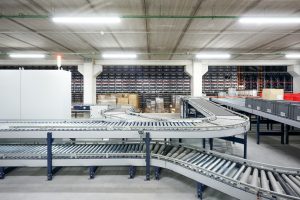
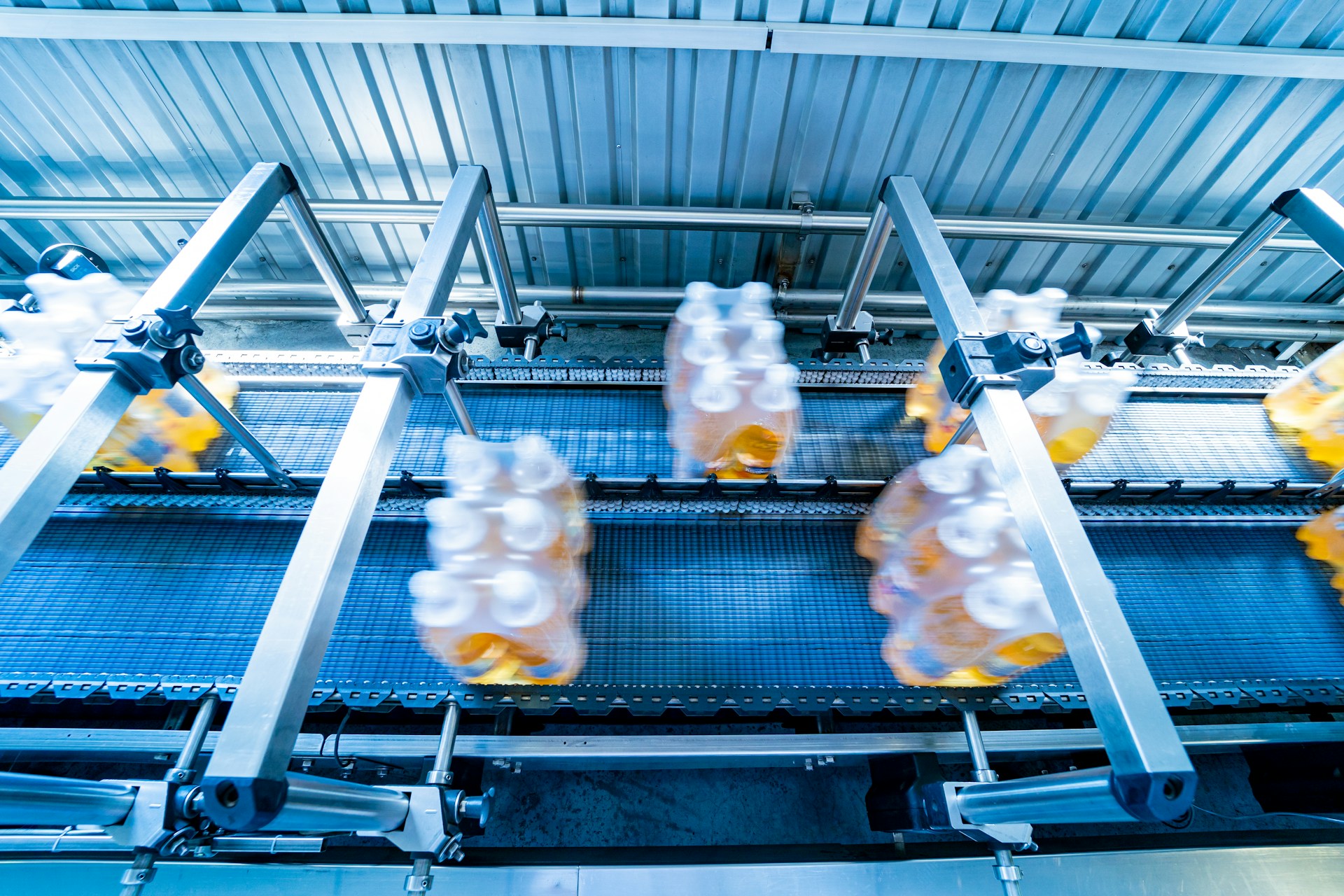
- Conveyors for cases, totes, and individual products
- Case and tote handling systems like merges, diverts, and sortation
- Robotic palletizers and conventional palletizers
- Transfer cars and turntables to move product across lines or around corners
- Vertical lifts and spiral conveyors for moving product between levels
- Custom accumulation systems to buffer product before or after key machines
The goal is simple: create flow. That means product moves in a steady, controlled way from processing to packaging to palletizing to shipping, without long stops and without bursts that overwhelm staff or equipment.
Thoughtful systems can:
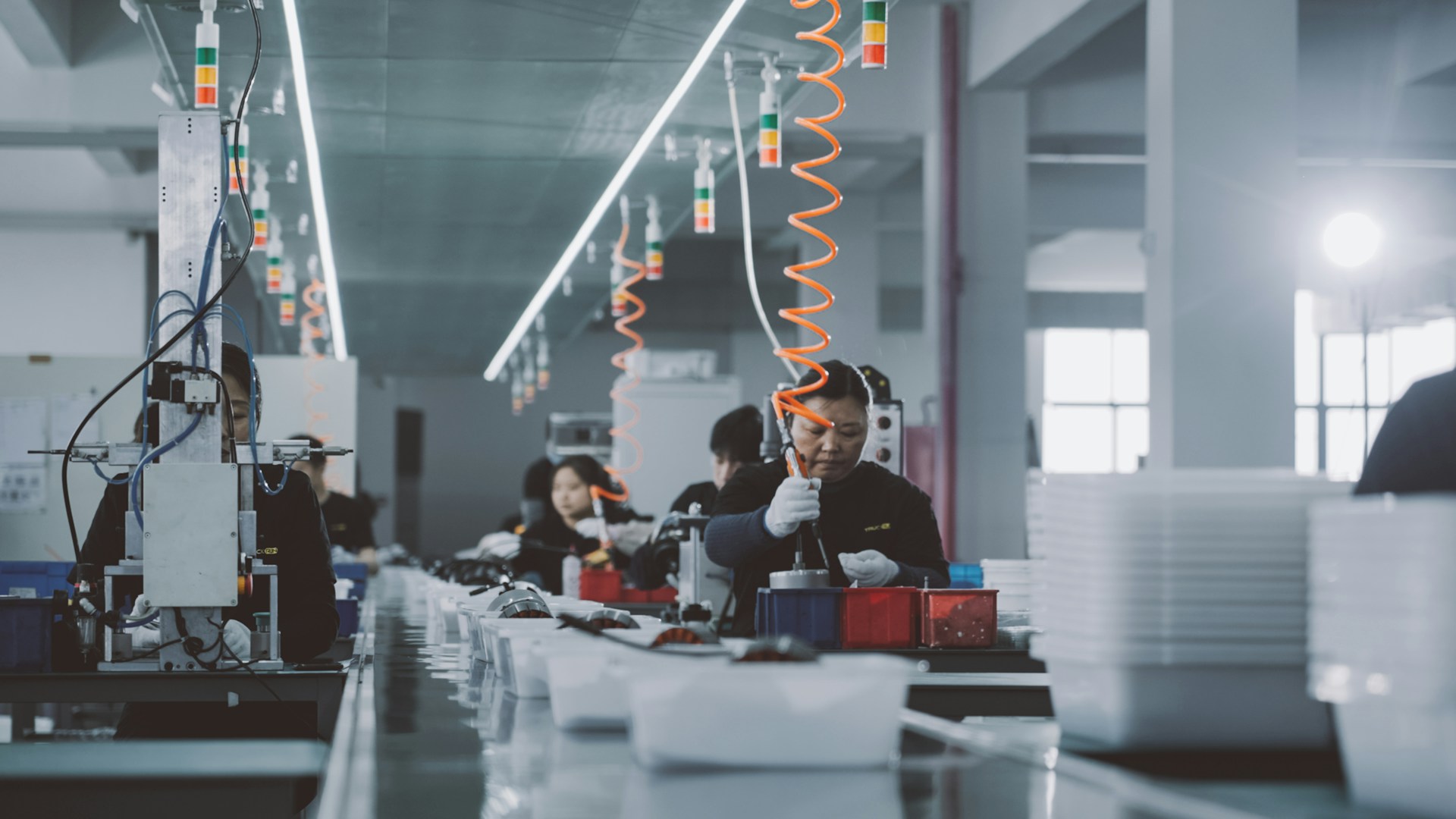
- Cut manual touches so people focus on running equipment, not pushing cases
- Balance line speeds so one machine does not constantly wait on another
- Keep critical machines fed and discharged, reducing starved or blocked time
- Separate pedestrian and forklift traffic from moving product for safer aisles
Working with a GTA-based integrator adds some practical advantages. Local teams can visit your site quickly, understand regional safety expectations, and respond faster when you are in a peak period and every hour of uptime counts. On-the-ground support matters a lot when a line goes down right before a big shipment window.
Designing End-of-Line Systems for Toronto’s Reality
Off-the-shelf equipment rarely drops into a Toronto plant without adjustment. Many local facilities sit in legacy buildings with low rooflines, odd columns, tight docks, shared utilities, and no clear room for a straight conveyor run. That is why fit and layout matter just as much as the brand of equipment.
Our approach starts with walking the plant and listening to the team that runs it every day. From there, we look at:
- Current and target throughput on each line
- Product mix and packaging formats, including awkward or fragile items
- Seasonal swings and which SKUs spike at different times
- How existing packaging machinery and warehouse operations tie together
We can then design end-of-line systems that thread through real constraints. Sometimes that means using vertical lifts to free floor space, adding accumulation to ride out upstream stops, or rerouting flow so finished pallets no longer cross busy walkways.
For GTA facilities, we also keep an eye on practical factors like noise rules, safety committee expectations, and union requirements around job design. Integration schedules are planned around your busy windows, like summer peaks or back-to-school builds, to keep disruption as low as possible while upgrades are installed.
Maximizing ROI with Smart Automation and Support
When material handling is done well, the financial impact shows up in several areas at once. A well-designed system can:
- Lower labour strain by shifting repetitive movement to conveyors and robots
- Reduce overtime by allowing you to hit daily targets within normal hours
- Cut rework and product loss caused by rushed manual handling
- Support higher, more stable line speeds so you can accept larger or tighter contracts
Of course, design is only the first step. Long-term results rely on support. At PMC Ltd, we bring design, supply, and integration together with:
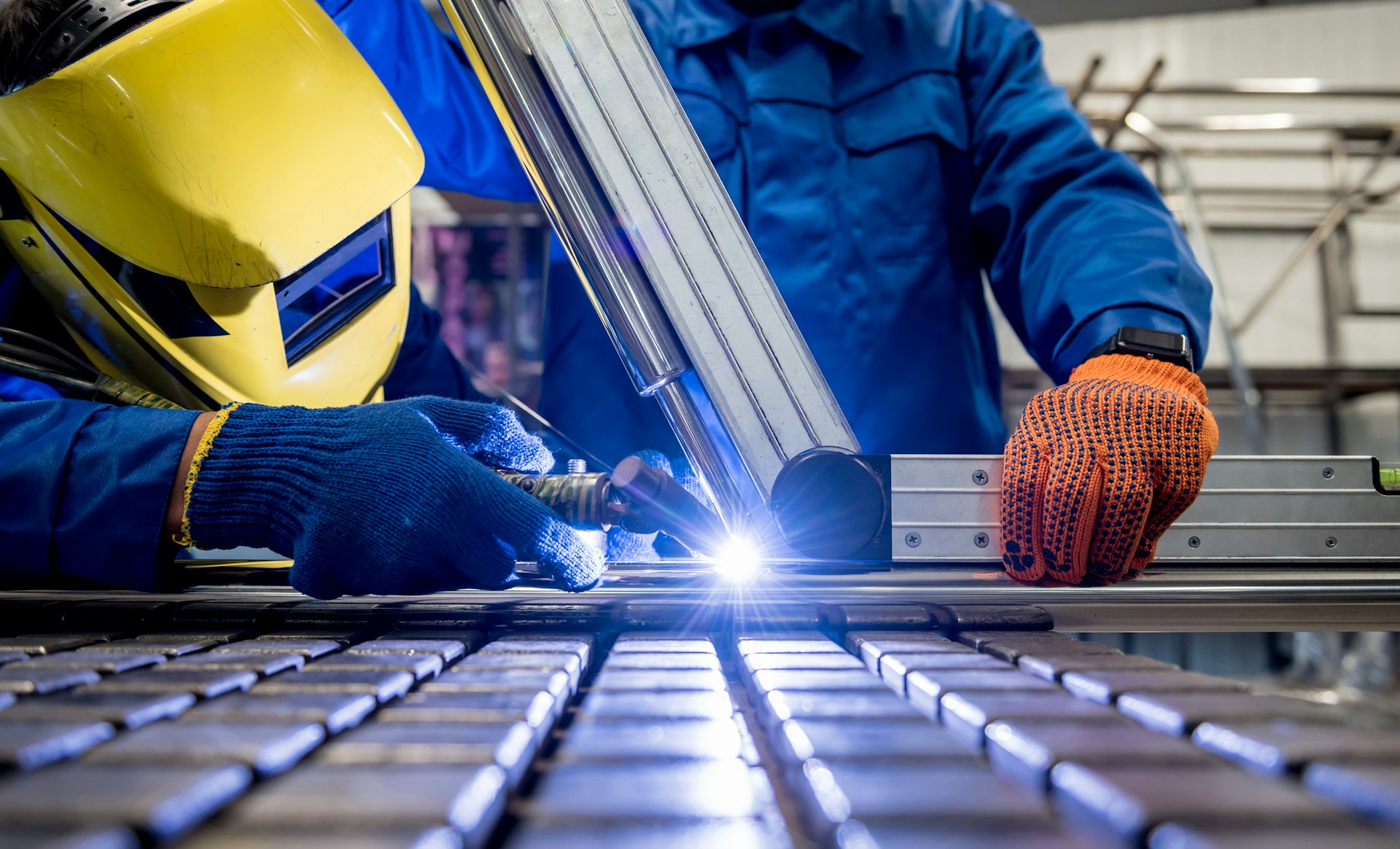
- In-house fabrication for custom brackets, frames, and structures
- Local installation crews that know how to work in live production environments
- Preventive maintenance programs tailored to your shifts and seasonal needs
- Rapid service dispatched from within the Greater Toronto Area to keep downtime short
Good systems also plan for growth. Many plants do not jump straight to full automation everywhere. Instead, we often design for stages, such as starting with conveyors and accumulation, then adding robotic palletizing, and later tying in more advanced case handling. When the base layout and controls are built with expansion in mind, each step becomes easier and less disruptive.
Getting Your Toronto Plant Ready for the Next Peak Season
The best time to fix material flow is before the next busy season hits. Long lead times for equipment and installation mean that early planning is not a luxury. It is how you avoid scrambling when orders spike.
A simple way to start is to walk your line and ask:
- Where do people touch product that could move automatically?
- Which aisles are always crowded or feel unsafe at high volume?
- Where do pallets or cases back up, even when machines are running well?
- Which processes fall behind first when volume rises or staff is short?
From there, it becomes easier to sort quick wins, like adding a short conveyor or improving accumulation, from larger phased projects like full palletizing cells or new transfer routes. Plant operations, engineering, and leadership teams across the GTA can gain a lot from looking at material handling not as an afterthought, but as one of the main levers for better throughput, safer work, and stronger long-term ROI.
At PMC Ltd, based in the Greater Toronto Area, we focus on end-of-line packaging machinery and custom material handling that fits the real limits and goals of local facilities. With the right design and support, material handling equipment in Toronto plants can turn today’s floor into the capacity you need for tomorrow’s demand.
Get Started With Your Project Today
If you are ready to upgrade your facility’s flow and safety, our team can help you choose the right material handling equipment in Toronto for your operation. At PMC LTD., we work with you to understand your processes, space constraints, and long-term goals before recommending a solution. Reach out to contact us and we will walk you through options, timelines, and next steps so you can move your project forward with confidence.