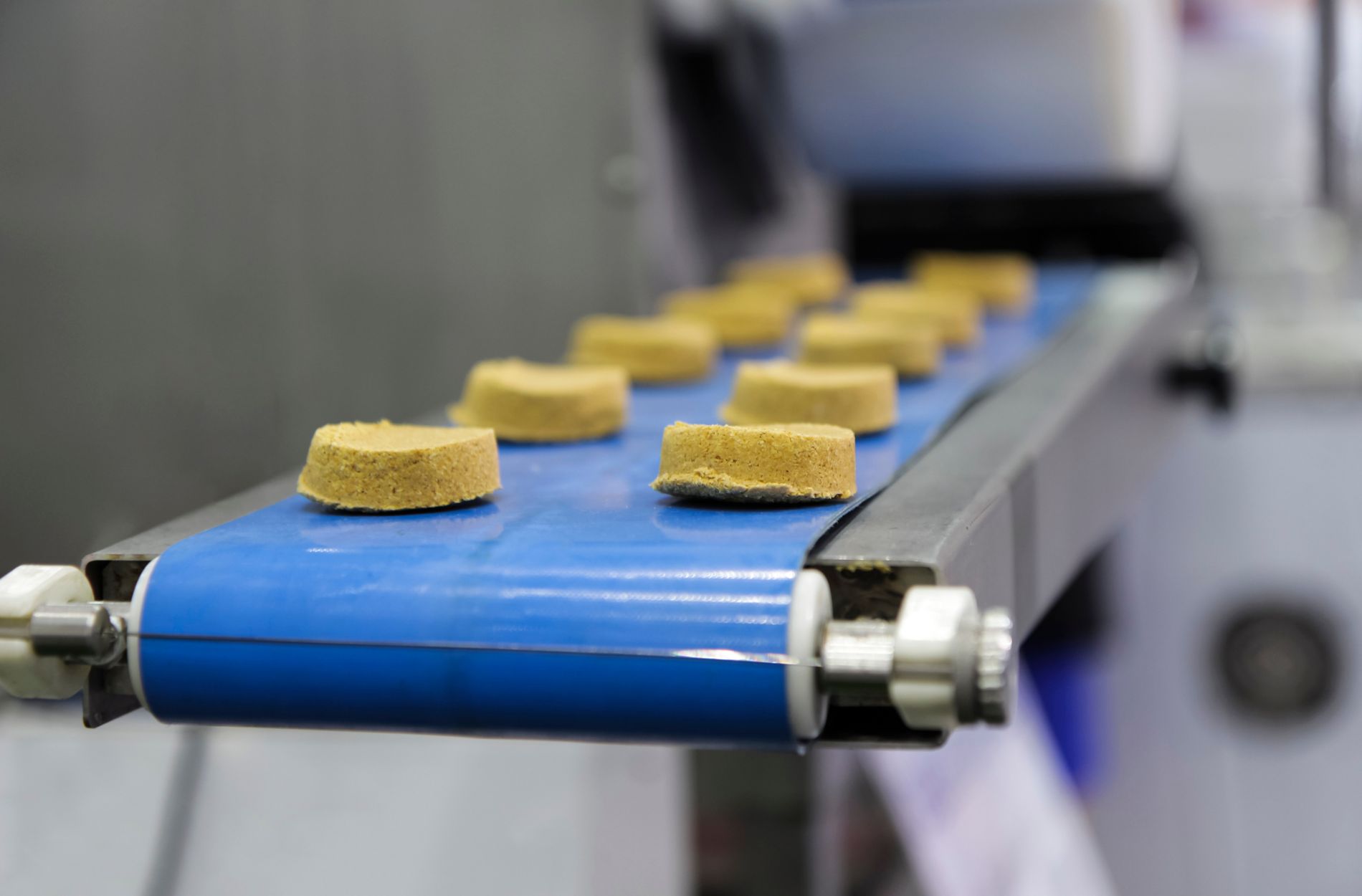
Rethinking Product Conveyor Systems in Toronto Facilities
Rethinking Product Conveyor Systems in Toronto Facilities
Product conveyor systems in Toronto are under more pressure than ever. Lines that once felt fast enough now struggle to keep up with more SKUs, shorter lead times, and higher safety expectations. When conveyors stop, everything stops, and that hits shipping promises and staff morale.
In this article, we want to walk through why many GTA plants are rethinking their conveyor setups, what is different about Toronto facilities, and how modern systems can fit tight spaces, strict rules, and busy end-of-line areas. If you work in operations, maintenance, or engineering, this is about making your lines smoother, safer, and ready for what is coming next.
Why Toronto Facilities Are Rethinking Conveyors
Across the GTA, manufacturing, food and beverage, and distribution sites are growing fast, but many still rely on conveyor lines that were built for a different time. These older systems often hold back newer equipment that sits upstream or downstream.
Common pain points we hear about include:
- Frequent unplanned downtime on older sections of conveyor
- Bottlenecks at the end of line where cases, trays, and pallets back up
- Safety worries around guarding, pinch points, and emergency stops
- Rising maintenance time and difficulty finding compatible parts
Modern product conveyor systems in Toronto have to balance speed, flexibility, and energy use. It is not only about moving cases faster. Lines need to switch between products quickly, handle different packaging styles, and avoid wasting power when volumes dip. Local plants are looking for systems that can support long shifts without constant adjustment.
Because facility layouts, staffing, and regulatory expectations in the GTA are unique, it helps to work with people who understand how these pieces fit together. A local partner can design conveyors that match how your building, your team, and your end-of-line equipment actually work day to day.
How Local Factors Shape Conveyor Choices in Toronto
Toronto facilities are not all wide open warehouses. Many sites are tucked into tight city lots, older buildings, and multi-storey spaces that were never built for high-speed material flow. That has a big impact on conveyor design.
We often see:
- Low ceilings and tight clearances that affect conveyor elevations
- Structural columns right where you need clean conveyor paths
- Mezzanines and stairs that call for vertical lifts or incline conveyors
- Limited floor space that demands compact layouts and smart transfers
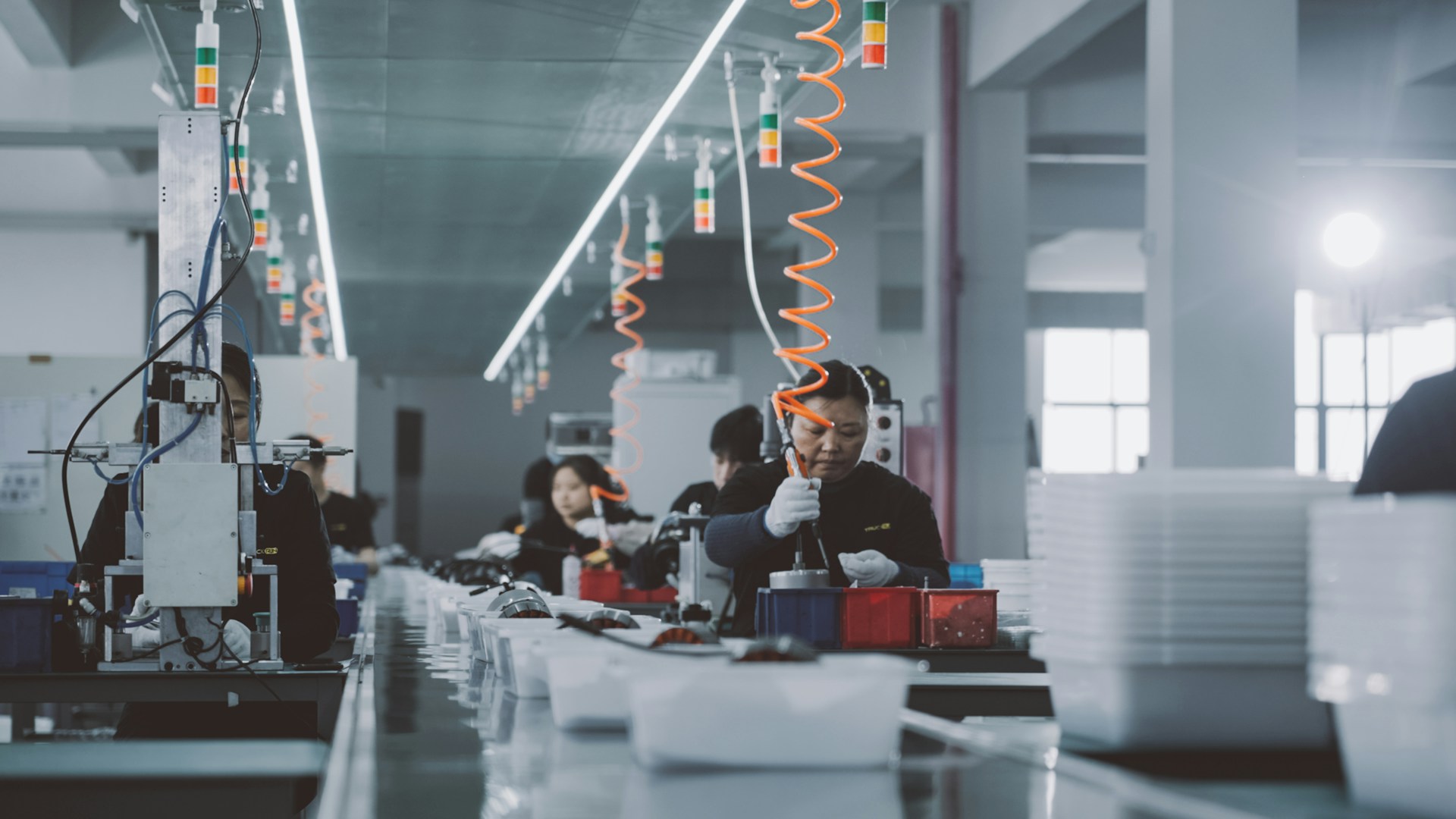
Local workforce needs also shape choices. Ergonomic loading and unloading heights, proper guarding, low noise equipment, and controls that are easy to understand for a diverse team all matter. When staff can work comfortably and safely, lines tend to run smoother for longer.
Regulatory and utility factors are another layer. Electrical work must meet ESA standards. Food and beverage facilities need conveyors that support sanitation routines, quick cleaning, and materials that suit Canadian food safety expectations. With energy costs always in focus, there is more interest in efficient drives and smart controls that slow or stop sections when not in use.
Toronto weather brings its own challenges too. Many facilities plan upgrades before busy summer construction periods or year-end production peaks. Humidity, salt from roads, and winter dust at dock doors can impact bearings, sensors, and belts if systems are not planned and protected properly.
Modern Conveyor Technologies Built for GTA Operations
Modern product conveyor systems in Toronto draw from a range of technologies, each suited to certain products and industries.
Common types include:
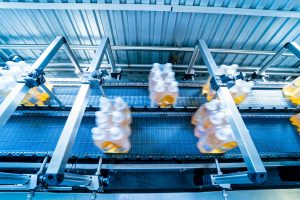
- Belt and modular plastic conveyors for packaged foods, beverages, and light goods
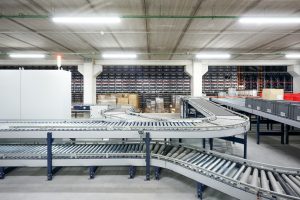
- Roller conveyors for cases, totes, and finished goods in general manufacturing
- Chain conveyors for heavier loads or harsh environments
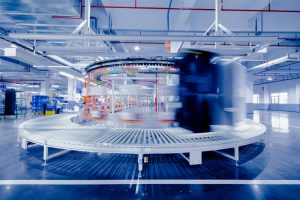
- Accumulation conveyors for distribution centres that need buffering without product damage
What is changing is how these conveyors think and react. Smart sensors, controls, and variable speed drives allow lines to ramp up and down smoothly, feed downstream machines more evenly, and change over between products faster. Instead of running everything flat out all day, lines can match speed to actual demand.
Integrated safety is now a core design feature, not an afterthought. Guarding, light curtains, interlocks, and clearly placed E-stops help reduce risk for operators and maintenance teams. When paired with condition monitoring and predictive maintenance tools, plants can fix issues before they turn into a breakdown on a busy shift.
Flexibility is just as important. Quick change guides, adjustable rails, and modular sections let the same conveyor handle multiple SKUs and packaging formats, from shrink-wrapped bundles to cartons and trays. That flexibility is key for Toronto facilities serving a mix of retailers and channels.
Integrating Conveyors with End of Line and Handling Systems
A conveyor line on its own can only do so much. The real gains happen when conveyors are planned as part of a complete end-of-line and product handling system.
That means thinking about how:
- Case packers, palletizers, stretch wrappers, and labellers connect
- Transfers and merges keep flow smooth between each piece of equipment
- Accumulation zones give machines enough buffer time to avoid constant stops
When conveyors, product handling, and end-of-line equipment are designed together, bottlenecks shrink and throughput goes up, especially during seasonal peaks. Well planned diverters, sorters, and lane balancing help serve both big box customers and local buyers from the same line, without constant manual intervention.
Seamless integration also makes life easier for operators and maintenance staff. Fewer odd workarounds and mismatched speeds mean simpler training, faster changeovers, and more straightforward troubleshooting when something does go wrong.
Custom Fabrication to Fit Challenging Toronto Spaces
Toronto facilities often have layouts that do not match standard conveyor catalog drawings. This is where custom metal fabrication becomes important.
With custom work, you can:
- Build supports that dodge low beams, ducts, and awkward columns
- Add platforms and stairs that give safe access without blocking walkways
- Design specialty chutes, hoppers, and guides that fit tight corners or dock areas
- Tie new conveyors into existing machines that were never meant to work together
For food and beverage operations, stainless steel and washdown-ready designs help support cleaning routines and retailer requirements. Washdown-friendly structures, drip trays, and open frame designs can make sanitation teams more effective and reduce cleaning time.
Custom fabrication is also a smart way to extend the life of older assets. Instead of replacing an entire line, plants can rework or modify legacy equipment, add new guarding, or refresh supports. This can bridge the gap until a full system replacement is ready, without giving up on safety or performance.
From Assessment to Ongoing Service with a Toronto Partner
When we work with GTA facilities on product conveyor systems, the process usually starts with a site assessment. Walking the floor, looking at flow from production to shipping, and talking with operators gives a clear picture of what is working and what is not.
From there, we move into:
- Layout and design that fits your building and future plans
- Selecting conveyor and handling equipment that matches your products
- Planning installation around production schedules to limit downtime
- Commissioning, testing, and fine-tuning speeds, guides, and handoffs
Having a local team on your side means faster support when something needs attention. Rapid service calls, access to parts, and planned seasonal maintenance help keep conveyors ready for busy times. Training for operators and maintenance staff also plays a big role in keeping systems running safely and reliably over the long term.
PMC Ltd. is based in the Greater Toronto Area and focuses on end-of-line packaging machinery, conveyor and product handling systems, and custom metal fabrication for local industrial facilities. Our goal is to help Toronto plants rethink their conveyor lines so they can handle current demand and be ready for whatever comes next.
Get Started With Your Project Today
If you are planning a new line or upgrading existing equipment, our team can help design and implement reliable product conveyor systems in Toronto tailored to your operation. At PMC LTD., we work closely with you to understand your goals, site constraints, and production targets. Reach out to contact us and we will walk you through options, timelines, and next steps to move your project forward.