Case Sealer Checklist for Toronto Plants: Tape vs Hot-Melt vs Glue
Cut Downtime and Rework with Smarter Case Sealing
Case sealing sounds simple until it starts hurting your schedule. A weak seal, a jammed flap, or a machine that needs constant baby-sitting can slow an entire line and send operators back to tape guns and hand rework. For Toronto plants already tight on labour and space, that is the last thing anyone needs.
Right now, many local manufacturers are upgrading end-of-line gear to keep up with higher volumes, shorter lead times, and seasonal ramps before peak shipping periods. The sealer is small compared to a filler or case packer, but the wrong choice can quietly drain profit with scrap, rework, overtime, and unplanned service calls.
At PMC Ltd, we see the same pattern again and again: a machine that looked fine on paper does not match the real mix of cartons, speeds, and building limits on the floor. This checklist is meant to keep that from happening, so you can choose between tape, hot-melt, or glue, and between RSC and wraparound, with a clear focus on ROI, uptime, and fit for your Toronto plant.
Know Your Cartons, SKUs, and Toronto Operating Reality
Before anyone talks about a brand or model, the cartons have to come first. Case style and board quality play a big role in which sealer will run clean and hold a strong seal from your dock to the final customer.
Common carton types include:
- Standard RSC (regular slotted cases)
- Wraparound cases that form around the product
- Display-ready or shelf-ready styles with tear-away tops
- Heavy-duty corrugated for dense or fragile goods
RSC cases are the workhorse in many local plants, and most tape or glue sealers will handle them. Wraparound and display formats can need more positive control of the case, stronger compression, and more attention to how flaps fold and glue. Lower grade corrugate or recycled board can also change how tape sticks or how glue soaks into the fibre.
Next, look at your SKU mix and changeover pattern:
- Long, steady runs of a few sizes
- Frequent small batches with constant height and width changes
- Strong seasonal spikes that push lines much harder for a few months
If your crew is always changing case sizes, you will want quick, repeatable adjustments, stored recipes, and clear indicators operators can follow without guesswork. For plants with longer runs, throughput and seal strength may matter more than ultra-fast changeover.
Toronto buildings add their own twist. Many plants have:
- Low or uneven ceiling heights
- Tight corners or columns right where you want straight flow
- Existing conveyors and palletizers that must stay in place
Case sealing machines in Toronto often need to tuck under mezzanines, turn 90 degrees, or line up with equipment that has been there for years. That means frame style, infeed and outfeed heights, and the ability to integrate with current controls all matter as much as the spec sheet.
Tape, Hot-Melt, or Glue: Picking the Right Seal Technology
Tape sealers are common for good reason. They are flexible, handle many general-purpose cartons, and are a natural fit for moderate line speeds.
Tape sealers usually make sense when you:
- Run mixed products and case sizes
- Need an easy, familiar technology for operators
- Have moderate speeds where tape roll swaps are manageable
Pros:
- Lower initial equipment cost compared to many glue systems
- Simple to understand for most plant teams
- Well suited to standard RSC cases
Cons:
- Ongoing spend on tape as a consumable
- Sensitivity to temperature and humidity swings in Toronto summers and winters
- Possible loose flaps if board quality or compression are not right
Hot-melt and cold glue systems come into play when you need stronger, cleaner, or faster seals. They often shine with:
- High-speed lines that leave little time for tape head changes
- Heavy cases or high-value goods where seal failure is not acceptable
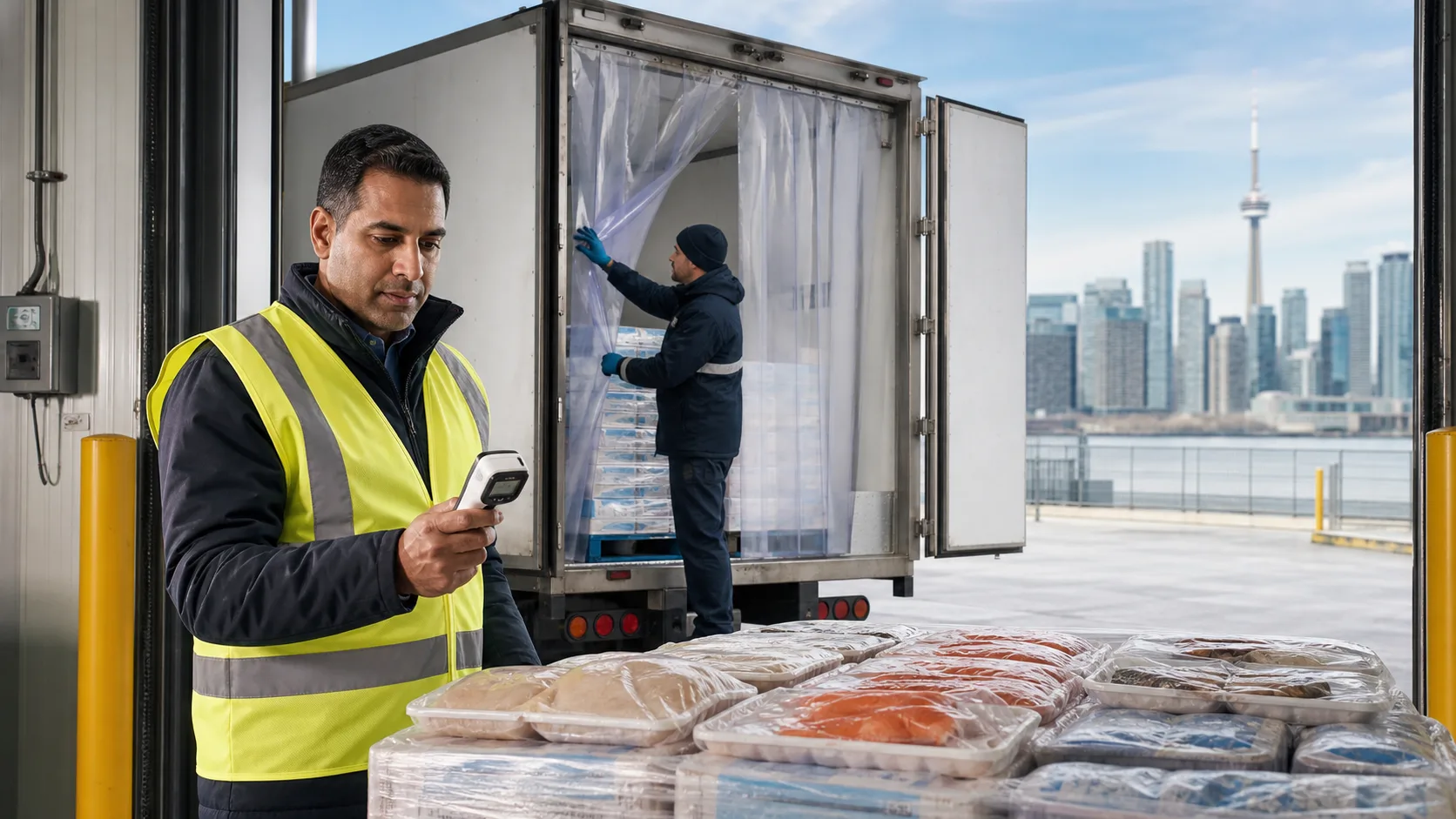
- Refrigerated or frozen products that move through coolers and freezers
- E-commerce or direct-ship cartons that see rough handling
Things to think about with glue:
- Warm-up time and adhesive temperature control
- Glue quality and viscosity, especially in temperature swings
- Operator safety and guarding around hot surfaces and moving parts
When we talk about ROI, we look at the total package:
- Equipment cost
- Tape or glue and spare parts
- Downtime for jams, cleaning, and changeovers
- Seal integrity across your real shipping lanes
At PMC Ltd, we often test sample cases through different sealing technologies to see which option holds up best, runs the smoothest, and fits your labour and layout reality in the GTA.
RSC vs. Wraparound: Line Design, Footprint, and Labour
Once you know the sealing method, the next choice is case style and line concept. For many plants, RSC case sealers are still the most practical route.
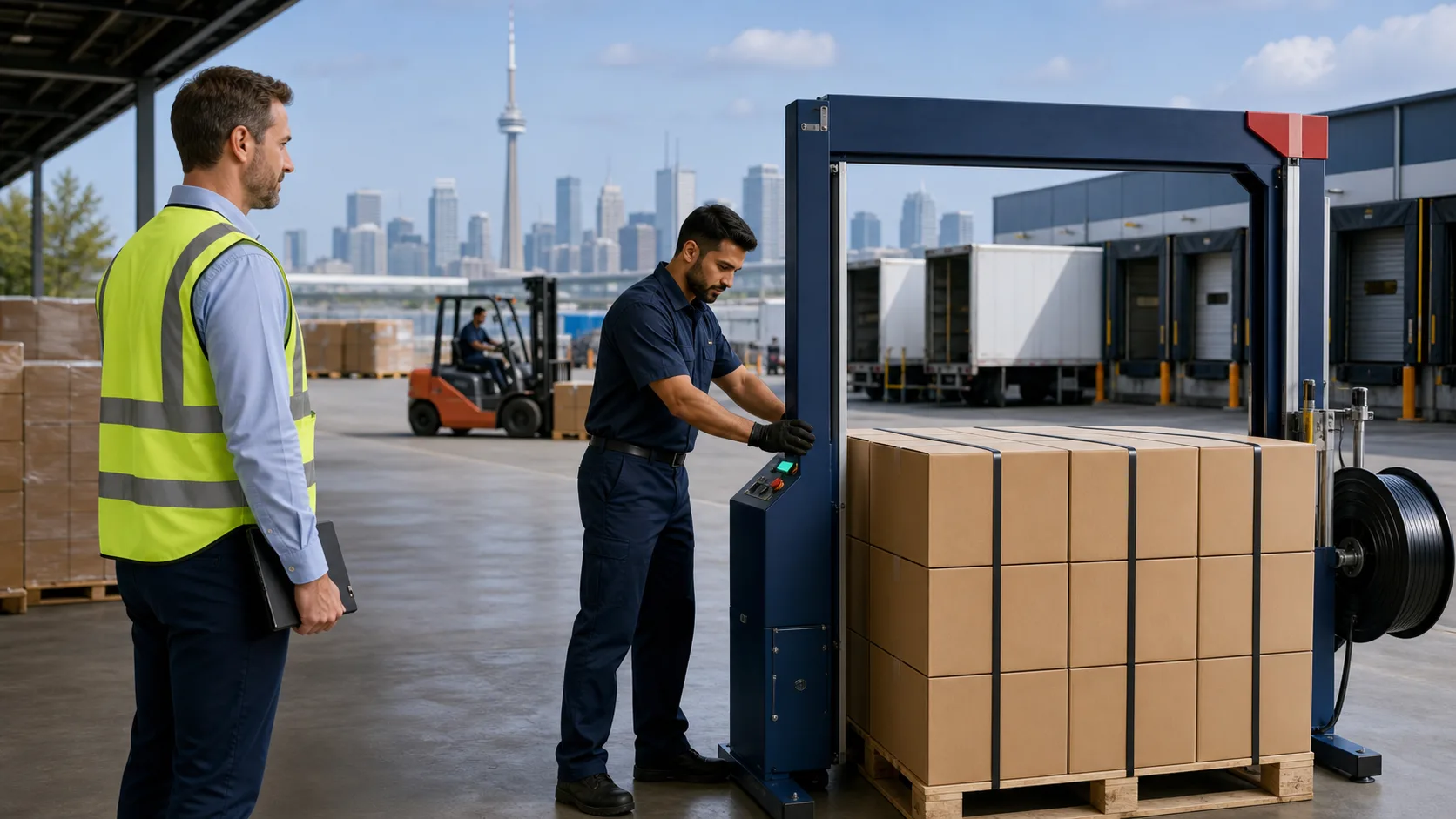
RSC sealers tend to be the best fit when:
- You already have an RSC case erector and packer that work well
- Upstream case forming is manual and you want a simple upgrade path
- You do not want to redesign how product is loaded into cases
They integrate well into existing lines and can improve throughput even with manual case forming upstream, as long as carton flow and operator tasks are balanced.
Wraparound systems are different. They often form, load, and seal cases in a more compact, integrated way. Benefits can include:
- Higher speed potential for the same floor space
- Stronger finished cases due to tighter wrap and compression
- Better cube efficiency on pallets and in trailers
- Possible savings on corrugate, depending on design
Wraparound is usually worth a closer look if you are open to rethinking the case packing step, not just swapping a sealer. It can be a larger project but can also shift labour from manual case forming to more value-added roles.
Footprint and labour should be part of the early discussion:
- How long can the end-of-line be before you block a doorway or dock?
- Do you need the machine to jog around a column or pit?
- How many operators are on the line now, and where are the pinch points?
Case sealing machines in Toronto often have to respect aisles, emergency exits, and uneven floors. Smart layout can improve ergonomics, reduce carton lifting, and cut the walking operators do between pack stations, sealers, and palletizing.
ROI Through Throughput, Downtime, and Serviceability
Nameplate speed is only one piece of the ROI story. The right sealer must match the practical capacity of upstream packers and downstream palletizers.
A quick throughput check should look at:
- Your target cases per minute on the busiest products
- Typical vs peak speeds by product family
- How often the line stops for inspection, labelling, or sampling
Many lines never run at the top speed on the brochure, because real life means stops, checks, and changeovers. A slightly slower machine that stays running can often move more cartons by the end of the shift.
Downtime often hides in small tasks:
- Tape roll changes and glue tank refills
- Jam clearance and flap issues
- Tool-based adjustments for size changes
Investing in solid frames, good guarding, and clear settings can cut a lot of this wasted time. Tool-less adjustments, good access doors, and clean cable routing all help crews work faster and safer, especially in multi-shift operations.
Service and lifecycle costs matter just as much as the first install. Access to local support in the GTA, spare parts, and metal fabrication all reduce risk across the life of the machine. At PMC Ltd, our team designs, supplies, and integrates equipment, and we also provide metal fabrication, installation, and service. That means we can help keep sealers aligned, modify frames or conveyors when layouts change, and support preventive work that keeps your line running longer between interruptions.
Turn Case Sealer Selection Into a Plant-Wide Upgrade
Treating the sealer as just another box to replace misses a big opportunity. A thoughtful upgrade can improve case quality, operator safety, use of floor space, and even energy use across the end-of-line.
A practical next step is a line walkthrough before your next big volume push. Bring sample cartons, talk through current downtime pain points, and review real production data by SKU. From there, it becomes much easier to build a clear, ROI-focused specification that fits your throughput targets, building limits, and long-term plans.
For our team at PMC Ltd in Toronto, the goal is simple: case sealing solutions that fit your cartons, your people, and your plant, so the end-of-line becomes something you trust, not something you nurse through each shift.
Get Started With Your Project Today
If you are ready to improve throughput and consistency on your packaging line, our team at PMC LTD. can help you choose and integrate the right case sealing machines in Toronto for your operation. We work with you to understand your products, volumes, and space constraints so your new equipment fits seamlessly into your process. To discuss timelines, budgeting, or technical requirements, contact us and our specialists will walk you through the next steps.