Choosing Automated Bagging Systems Toronto Plants Can Actually Scale
Build a Future-Ready Bagging Line Before Peak Season Hits
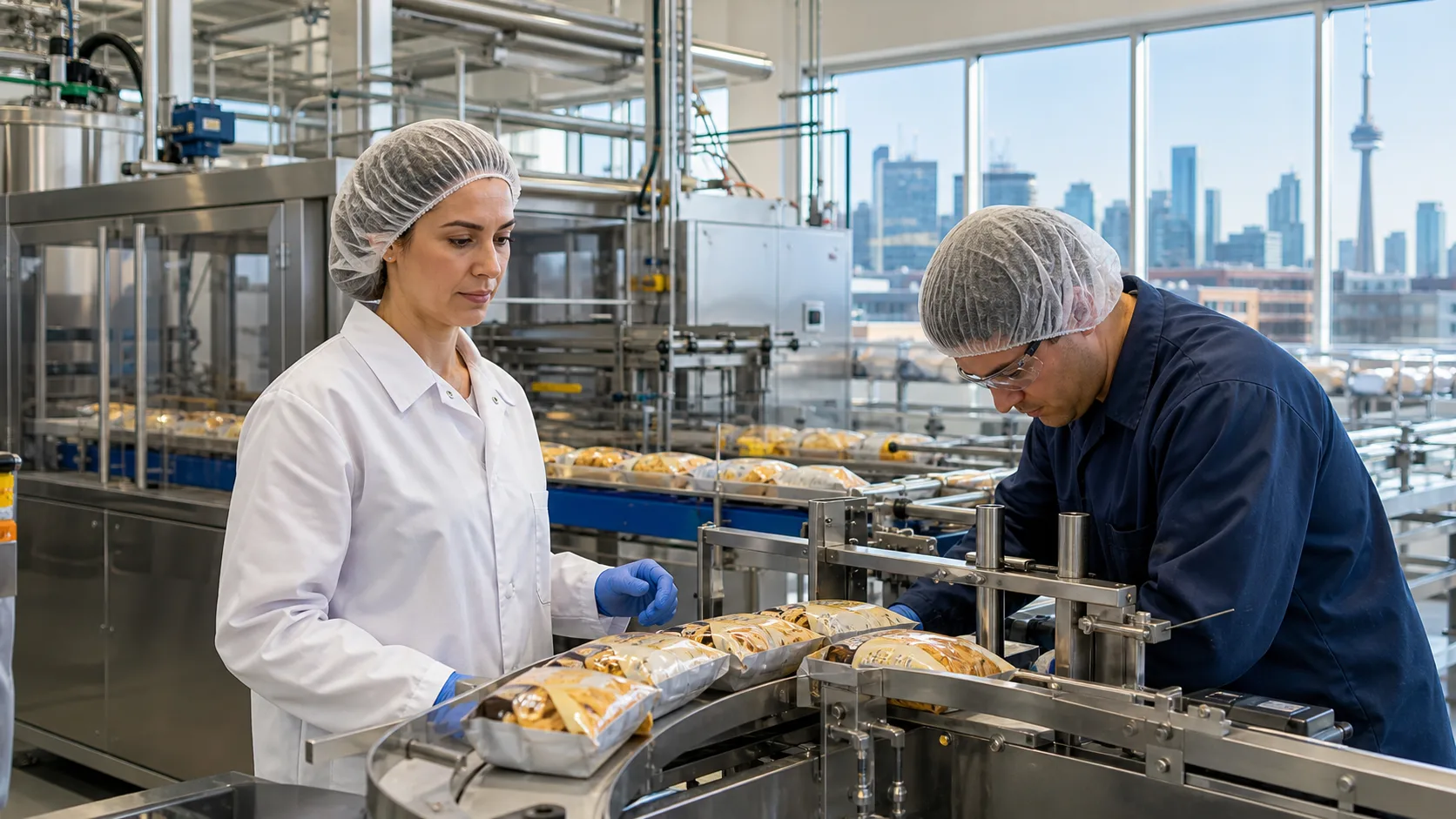
Automated bagging systems are no longer a nice-to-have for Toronto plants. With tight timelines, demanding customers, and more product SKUs than ever, manual bagging lines struggle once volume climbs. When peak season hits, the weak spots show up fast.
If you choose a system only for what you handle this month, you can end up stuck with heavy overtime, scrambling to find staff, and constant bottlenecks at the end of the line. The smarter move is to plan for what your plant will look like in three to five years, not just what it looks like today. In this article, we share a practical roadmap to help Toronto plant managers and operations leaders pick automated bagging systems that can grow with volume, product changes, and facility upgrades.
Toronto Plant Pressures That Shape Your Bagging Strategy
Running a plant in the Greater Toronto Area comes with some very specific pressures. These shape what kind of bagging automation actually makes sense.
The local labour market is tight. Skilled packaging operators are hard to find and hard to keep. Minimum wage shifts, high turnover, and training new people again and again all push manual bagging to its limits. As volumes grow, it gets harder to cover every shift with reliable people on the line.
Urban facility constraints add another layer. Many Toronto buildings are older, with:
- Low or uneven ceiling heights
- Tight dock areas shared by inbound and outbound traffic
- Columns right where you wish they were not
- Limited space for new conveyors or palletizing cells
That means any automated bagging system has to fit your real floor, not a perfect drawing. Tearing out walls or doing major reconstruction is often not realistic.
Then there are regional and customer requirements. Toronto plants often serve national or cross-border supply chains. You may need:
- Canadian packaging standards and bilingual labelling
- Retailer-specific packaging rules for big-box stores
- Clear lot codes and traceability for audits
All of this needs to be built into your bagging and printing setup from day one.
Key Specs That Make Automated Bagging Systems Truly Scalable
To choose automated bagging systems in Toronto that you will not outgrow, a few specs matter more than anything else.
First is throughput and flexibility. You want capacity that covers what you are running now, plus a realistic growth buffer. At the same time, the line should be able to handle:
- Different bag sizes without major hardware swaps
- Various bag materials like paper, poly, or laminated film
- A mix of products, from free-flowing granules to irregular items
Next is changeover and uptime. Toronto plants often run shorter batches or private-label SKUs. Slow changeovers eat into your day and create costly idle time.
- Tool-less or recipe-based changeovers
- Modular components that can be swapped or upgraded
- Clear preventive maintenance plans to keep uptime high
Integration and data are just as important. A scalable bagging system should talk to the rest of your end-of-line equipment. That means solid integration with:
- Infeed conveyors and accumulation systems
- Weigh scales and checkweighers
- Printers, labellers, and metal detectors
Real-time production data and overall equipment effectiveness (OEE) tracking help you see where the line is slowing down, so you can keep improving instead of guessing.
Matching System Types to Toronto Industries and Seasons
Different industries across the GTA need different styles of bagging automation. Picking the right base technology makes everything downstream easier.
Common system types include:
- Vertical form fill seal for high-speed bagging of free-flowing products
- Horizontal form fill seal for flat or fragile items
- Pre-made baggers for premium packaging or smaller runs
- Robotic bagging cells for flexible handling and tricky product shapes
Food, building materials, chemicals, and consumer goods all have their own quirks. For example, construction and de-icing products often ramp up ahead of winter, while lawn, garden, and beverage products pick up in the warmer months. Your bagging system needs to ride those swings without breaking down or needing a full retool every time.
Seasonal throughput bumps can be handled by:
- Adding semi-automatic stations to support your main line during peaks
- Using accumulation and buffering to keep baggers fed steadily
- Planning extra bag formats in your recipes so you can respond to customer requests fast
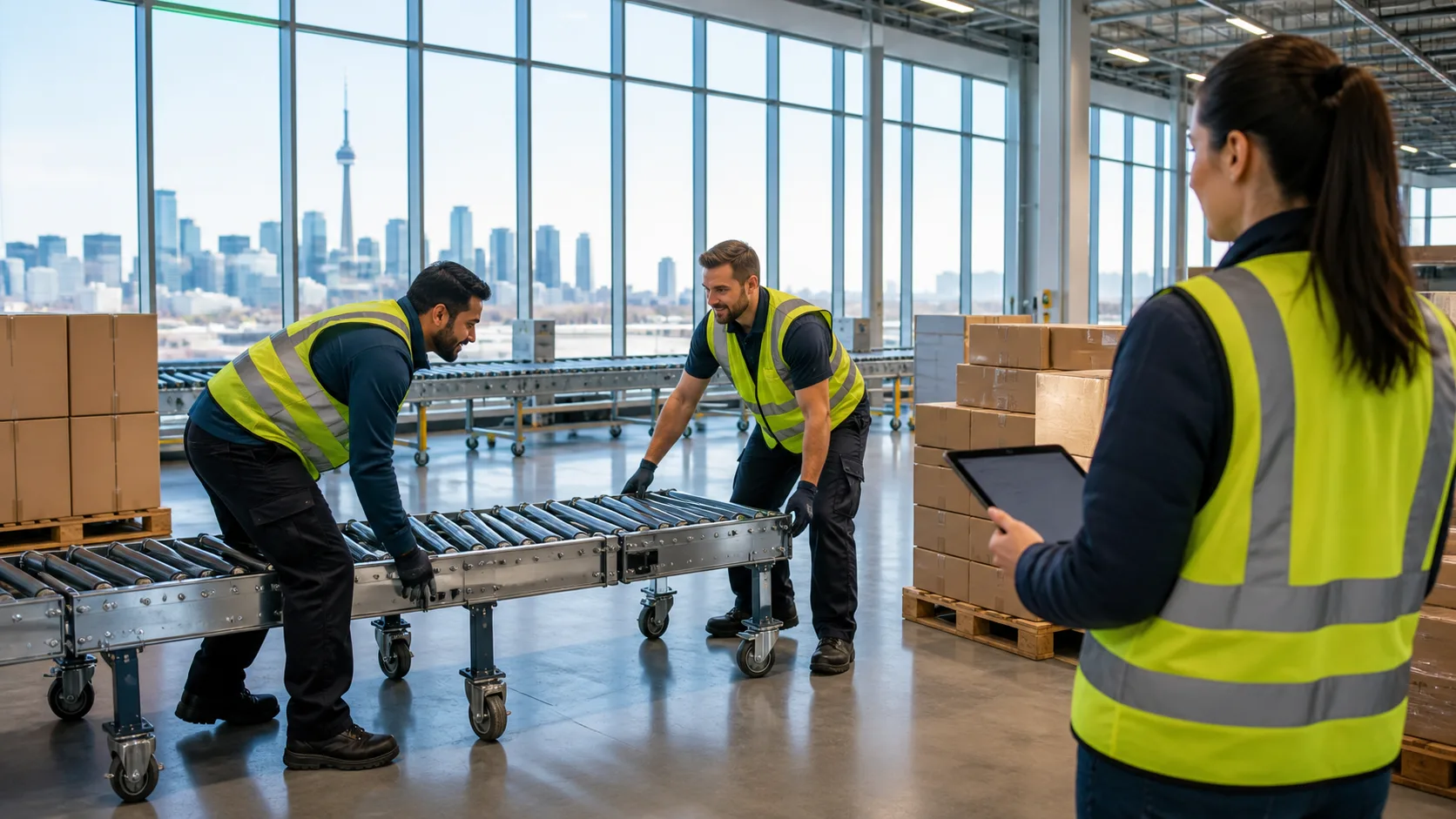
Many Toronto plants start with semi-automatic solutions, then phase into fully automated bagging as volume rises. If you choose equipment that is modular, you can add automatic feeding, case packing, or palletizing later without throwing out what you already bought.
Facility Planning Tips for a Smooth Automation Installation
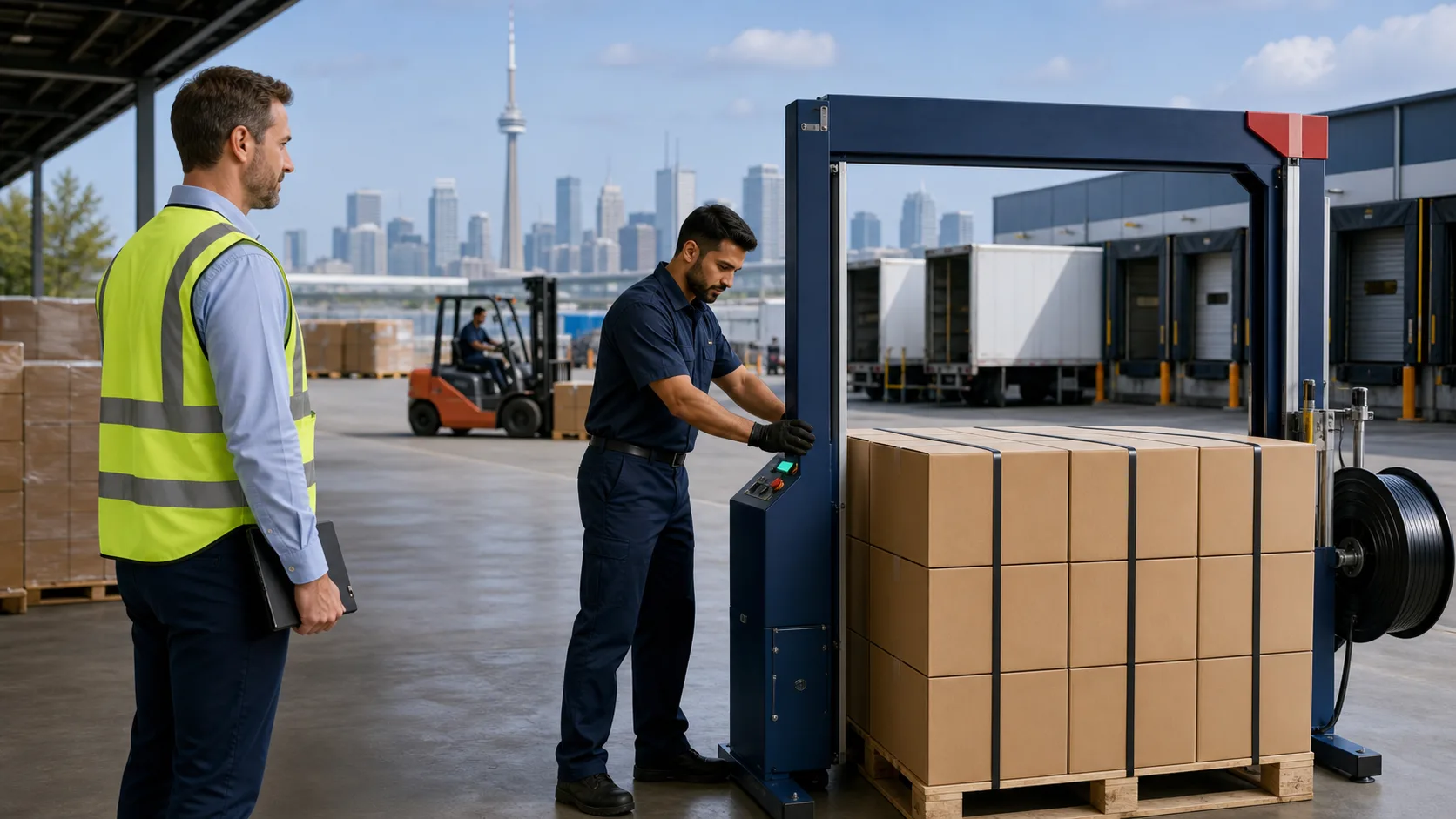
Good planning on the floor saves headaches once the equipment arrives. Start by mapping your current end-of-line flow. Watch how product moves from processing or filling to bagging, through to palletizing and shipping.
Key layout and flow questions are:
- Where do you have natural infeed and outfeed points?
- Where do pallets queue today, and does that cause congestion?
- How close is the bagging area to docks, staging, and wrap?
Even a simple sketch can reveal pinch points that might get worse once you add conveyors or a larger bagger.
Utilities and safety come next. Automated bagging systems usually need the right mix of electrical power, compressed air, and network connections. You also need to plan for:
- Guarding and safety fencing around moving parts
- Lockout points that match your safety procedures
- Ergonomic access for operators doing film changes or clearing jams
All of this has to line up with Canadian and Ontario safety standards, as well as your internal policies.
Finally, think about your implementation roadmap. Many Toronto plants:
- Time installations around slower production periods
- Pilot automation on a single line first to prove it out
- Use staged commissioning to keep at least part of the line running
The goal is to limit downtime so your team can keep orders moving while they learn the new system.
How a Local Partner Future-Proofs Your Bagging Investment
Choosing hardware is only half the story. Having a local integration partner can make the difference between a system that looks good on paper and one that actually delivers in your plant.
A Toronto-based partner like PMC Ltd. can walk your site, understand your real constraints, and design custom material handling around the bagger that fits your space. That includes matching the right OEM equipment, conveyors, and controls to your process instead of forcing a one-size model onto your floor.
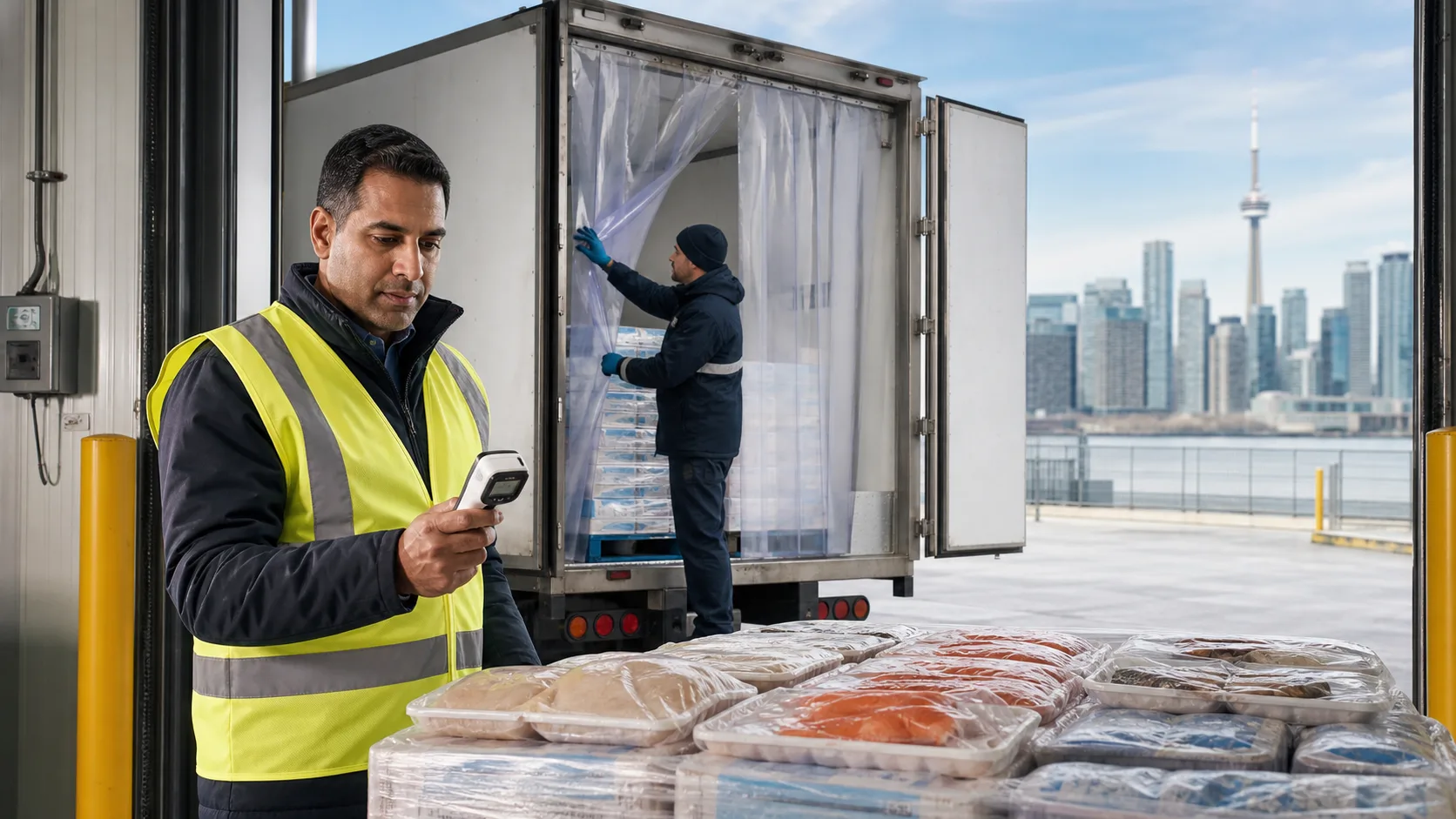
Local service and support matter too. When your bagging line is the last stop before the truck, you cannot wait long for help. A nearby team can provide:
- Faster troubleshooting when something is off
- Access to common spare parts without long delays
- On-site training that fits your shifts and workforce
For plants running multiple facilities across the Greater Toronto Area, a local partner can also help standardize equipment and controls. That makes maintenance easier, training simpler, and future upgrades more straightforward as your product mix and output change.
Take the Next Step to Scale Your Toronto Bagging Line
Choosing automated bagging systems in Toronto is about more than buying a machine. It is about matching your system to growth plans, labour realities, product mix, and the actual space you have. When you focus on throughput, changeover speed, integration, and local requirements, you set your plant up for smooth peaks instead of rushed fixes.
By planning early, mapping your facility, and working with a partner that understands end-of-line packaging automation and custom material handling in the GTA, you can build a bagging line that grows with you instead of holding you back.
Get Started With Automated Bagging That Keeps Production Moving
If you are ready to reduce manual handling and improve packaging consistency, our team at PMC LTD. can help you design and implement reliable automated bagging systems in Toronto tailored to your operation. We work closely with you to understand your products, throughput targets and space constraints so your solution fits from day one. To discuss your project, requirements and timelines, contact us and we will follow up with clear next steps.