Common Packaging Automation Mistakes Toronto Plants Make
Stop Wasting Money on the Wrong Automation
Packaging automation can be a smart way for Toronto plants to deal with rising labour, energy, and industrial rent. But when automation is rushed or poorly planned, it often creates new problems instead of fixing old ones. Lines jam, operators get frustrated, and managers end up paying overtime on equipment that was supposed to reduce it.
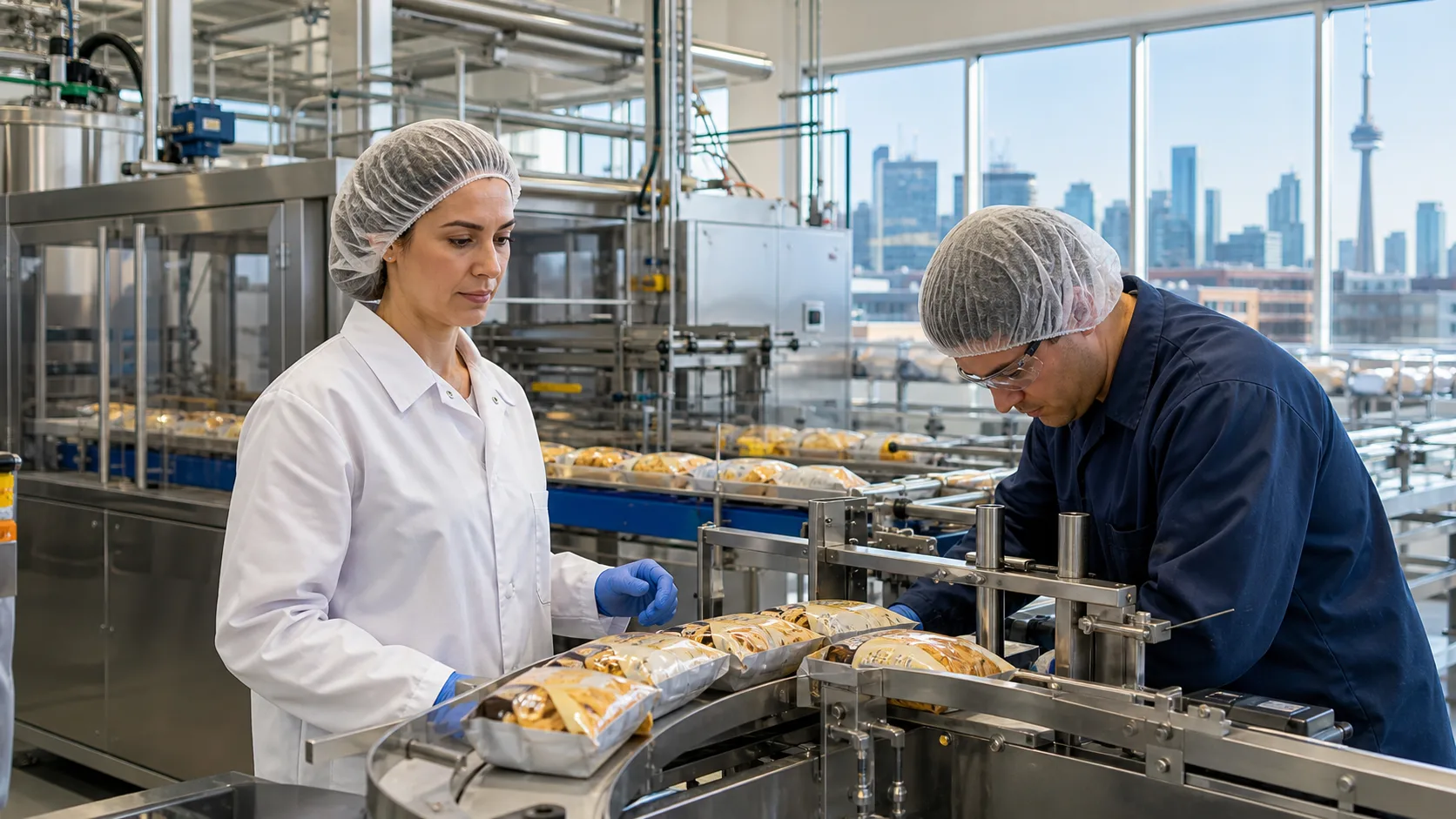
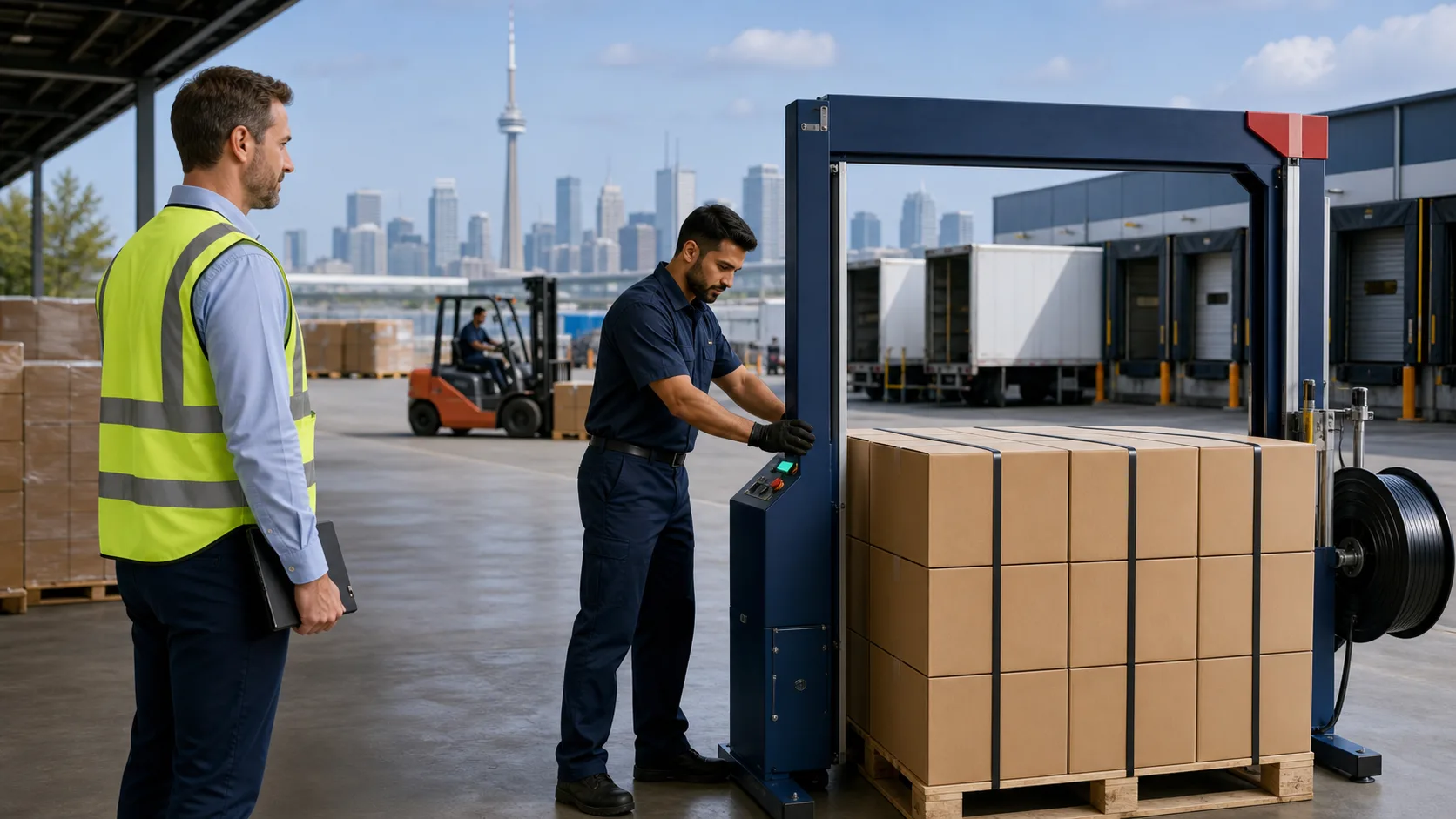
When we talk about packaging automation for GTA facilities, we mean the full end-of-line picture. That includes case packers, sealers, conveyors, palletizers, custom automation, and the metal fabrication that ties everything together in your space. All of this has to work inside real plants with tight footprints, shared aisles, and firm safety rules.
Local manufacturers also deal with seasonal volume swings, short lead times, and regulatory pressure on labelling and packaging quality. Packaging errors are not just annoying; they can mean returns, rework, or product held at the dock. In this article, we will walk through common mistakes we see in Toronto plants and show how better packaging automation solutions in Toronto can avoid them.
Misjudging Volumes and Seasonal Spikes
One of the biggest traps is sizing lines for an average day instead of the worst day. Many plants buy equipment that runs fine in February, then struggle in late spring when orders ramp up. The result is bottlenecks at the packer or sealer and long shifts just to keep up.
Toronto and the surrounding region see strong seasonal patterns, especially for:
- Food and beverage heading into warmer weather
- Construction-related materials during building season
- Garden, outdoor, and home products as people get ready for summer
- Promotional runs tied to events or retail programs
If your packaging line is built only around steady, flat volume, those peaks hit hard. Another common mistake is not planning for growth. Plants add SKUs, sell into new retailers, or open e-commerce channels, then realise the line was never sized for this mix.
Better approaches include:
- Building sensible buffer capacity into key machines
- Choosing modular equipment that can be expanded or reconfigured
- Reviewing real production data, not guesses, before specifying speeds
- Considering future SKUs, pack formats, and channels in layout discussions
When capacity planning is grounded in actual numbers and realistic growth, automation supports your busiest weeks instead of breaking during them.
Ignoring Line Layout and Plant Constraints
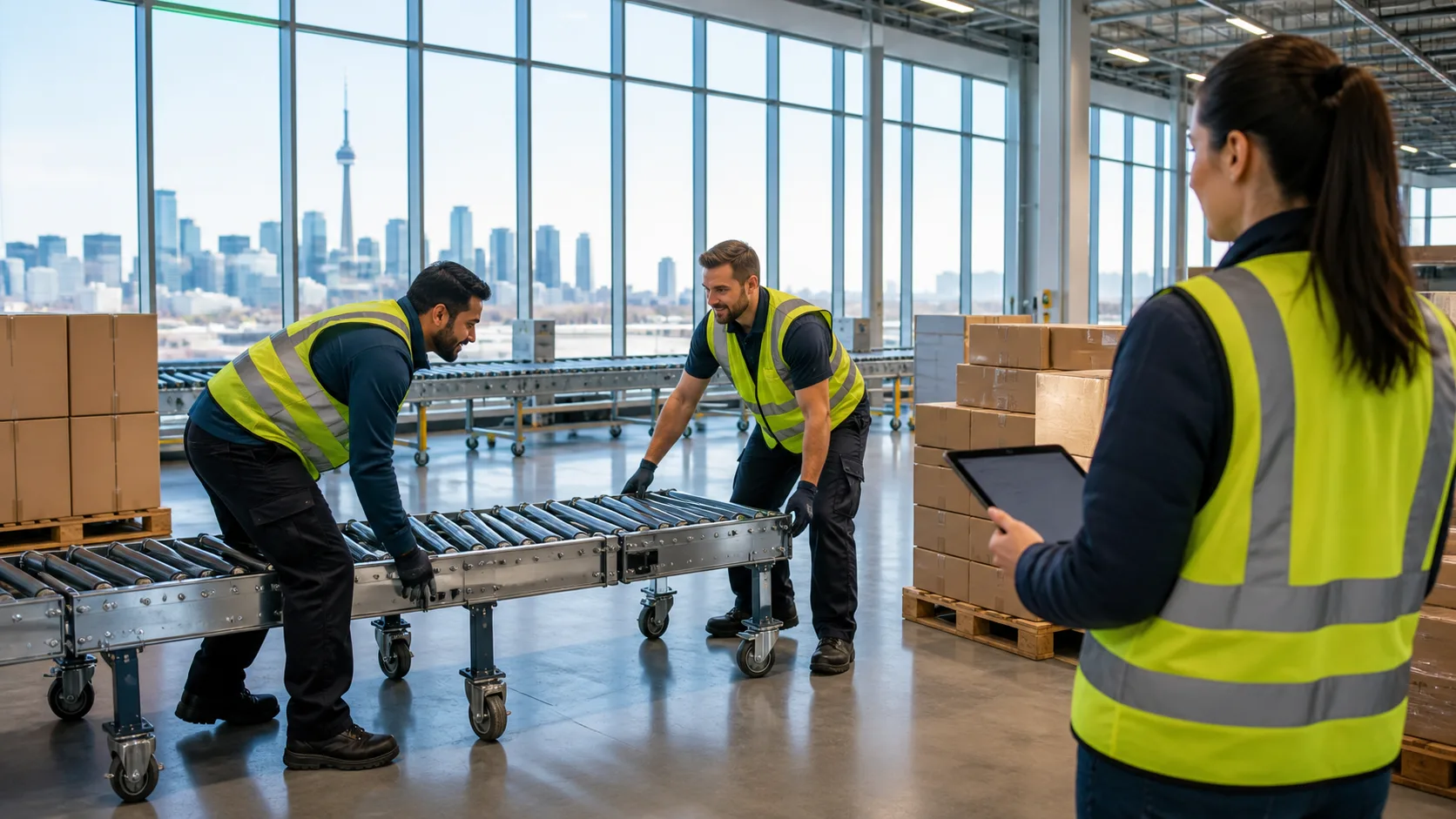
GTA industrial buildings bring their own challenges. Many sites are older, with low ceilings, tight columns, and shared docks. Multi-tenant units often have awkward access and shared aisles for forklifts and pedestrians. Trying to drop a textbook packaging line into this kind of space rarely works.
Poor layout choices can erase the gains of automation, such as:
- Long product travel with lots of back and forth
- Crossing paths between people, forklifts, and conveyors
- No clear access for cleaning, changeovers, or repairs
- Dead zones where cases or pallets back up and block walkways
On top of that, utilities often get missed until late. Power, compressed air, data, and guarding all need to be in the right place, not just somewhere nearby. Moving a panel or adding an air drop after equipment is installed can mean extra disruption.
We find it pays to involve layout and mechanical experts early. Good practice includes:
- 2D and 3D layouts that match your actual walls, doors, and columns
- Time and motion analysis on current manual steps to see real bottlenecks
- Clear planning for power, air, guarding, and safety circuits at each station
When automation is designed around the real plant, not just a brochure footprint, throughput and safety both improve.
Cutting Corners on Integration and Controls
Another common mistake is buying islands of automation. A plant might have a case erector from one vendor, a sealer from another, and a random stretch wrapper at the end. Each machine works on its own, but they do not talk to each other or share controls.
Typical integration problems include:
- Infeed and outfeed speeds that do not match, so one machine always starves or chokes
- Poor sensor placement that causes misreads, false trips, or product damage
- Changeovers that require too many manual tweaks and never repeat the same way
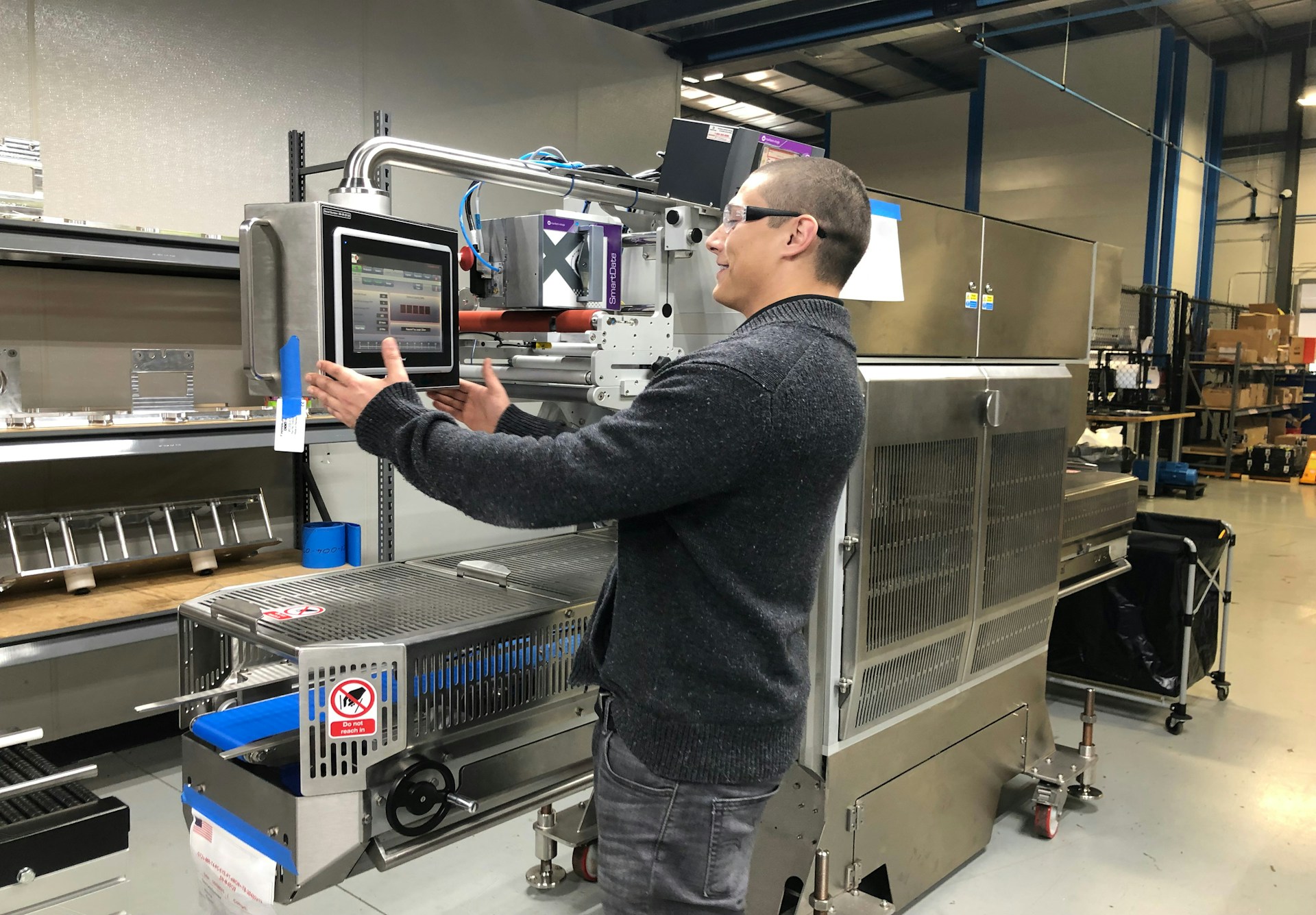
- Confusing operator screens that people avoid touching for fear of making things worse
On top of that, the packaging line often is not tied in with upstream production or downstream labelling and palletizing. The result is hidden bottlenecks that only show up when the whole plant is busy.
A better path is to treat the end-of-line as one system, not a row of separate machines. That means:
- Common controls and HMIs across equipment where possible
- Line control that balances speeds and manages fault recovery
- Clear signals to and from upstream and downstream processes
Working with a single partner for design, supply, programming, and integration helps keep responsibility clear and reduces finger pointing when issues come up.
Overlooking Operators, Maintenance, and Training
Too many lines are designed for ideal operators, not real people. In Toronto plants, teams often include a mix of experience levels and language backgrounds. If a packaging system is hard to understand or unforgiving, it will spend a lot of time in manual mode.
Training is another weak spot. Common gaps include:
- Rushed handover at the end of a project, with little hands-on practice
- No clear standard work for changeovers or cleaning
- No simple guides for alarms and basic troubleshooting
- Limited coverage of lockout and safe clearing of jams
Maintenance also gets missed in the early excitement. Without a clear plan for preventive checks, spare parts, and who owns what, small problems grow into long stoppages.
Good design and training focus on:
- User-friendly interfaces with plain language and clear graphics
- Step-by-step documentation posted at the line
- Structured training for operators and maintenance, not just one quick demo
- Regular refreshers, especially before busy seasons or major changes
Lines that respect the people running them tend to be more stable, safer, and more productive.
Ignoring Total Cost of Ownership and Local Support
Upfront price is easy to compare, but it is only one part of the real cost. Total cost of ownership includes downtime, scrap, energy use, extra labour during changeovers, and how fast service arrives when something breaks.
Relying on support that is only overseas or far from the GTA can turn a minor fault into a full day of lost production, especially if it happens late on a Friday. Time zone gaps, travel delays, and language barriers all add risk when a critical line is down.
When plants look for packaging automation solutions in Toronto, it helps to think about:
- Availability of local field service and engineering support
- Access to spare parts and the lead times involved
- Experience with similar products and industries in this region
- Clear expectations on response times for breakdown calls
A partner with design, fabrication, and service close by can respond faster, adapt equipment to your building, and support you as volumes and products change.
Turn Your Packaging Line Into a Competitive Edge
When we step back, the big pitfalls tend to repeat. Plants underestimate volumes and peaks, ignore layout realities, settle for weak integration, skip over training and maintenance planning, and focus on purchase price instead of total cost and local support.
Avoiding these traps can ease pressure on labour, steady your quality, and free capacity for growth in a competitive Toronto manufacturing market. A thoughtful review of your current end-of-line setup, plus a fresh look at the issues above, is often enough to spot one or two high risk areas worth fixing first.
At PMC Ltd, we design, supply, and service end-of-line packaging machinery, custom automation, and metal fabrication for industrial facilities across the Greater Toronto Area. Our team works with real plant constraints, real people, and real schedules so your packaging line becomes an asset, not a constant headache.
Get Started With Your Project Today
If you are ready to modernize your packaging line, our team at PMC LTD. can help you plan and implement the right packaging automation solutions in Toronto for your operation. We take the time to understand your production goals, product specs, and budget so your new system fits seamlessly into your existing workflow. To discuss timelines, options, and next steps with a specialist, simply contact us and we will follow up with practical recommendations tailored to your facility.